
Your image rights protect your reputation and control how your likeness is used commercially. As an athlete, creator, or public figure, you need to understand licensing agreements, privacy boundaries, and media access rules to prevent misuse and unauthorized exposure. Managing these rights helps you verify fair compensation and maintain your personal or brand image. To strengthen your understanding and learn more about effectively safeguarding your image, keep exploring how rights management can benefit you.

Get the latest gadgets delivered free with Prime
- Fast, free delivery on millions of items
- Prime Video, Amazon Music and more included
- Member-only deals all year
Key Takeaways
- Image rights determine how athletes, creators, and public figures can legally use and monetize their likeness.
- Licensing agreements specify permitted uses, duration, and geographic scope to protect personal and commercial interests.
- Privacy considerations help control personal exposure and prevent unauthorized recordings or media coverage.
- Managing media access and content control ensures images are used appropriately and align with personal or brand boundaries.
- Ongoing rights management balances visibility with control, ensuring fair compensation and safeguarding reputation.
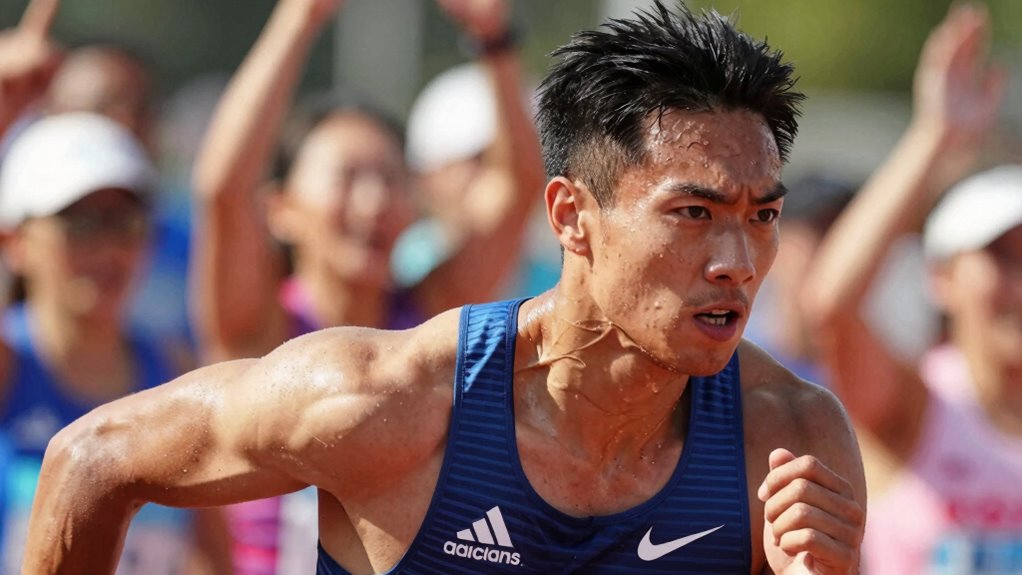
When it comes to your image—whether you’re an athlete, creator, or public figure—understanding your rights is essential to control how your likeness is used and protected. Your image isn’t just a picture; it’s a valuable asset that can be exploited for commercial gain or misused without your consent. One key aspect of managing your image involves commercial licensing, which allows others to use your likeness legally, often in advertising, merchandise, or promotional materials. Knowing the scope of these licenses helps you decide when and how your image can be used, ensuring you’re compensated appropriately and that your reputation isn’t compromised.
Understanding your rights and licensing options is key to protecting and monetizing your image effectively.
But it’s not just about licensing. Privacy considerations also play a significant role in safeguarding your personal life and public persona. As a public figure, you might be more exposed to invasions of privacy, whether through unauthorized photos, recordings, or media coverage. Being aware of your privacy rights helps you set boundaries, communicate what’s off-limits, and take action if someone oversteps. Sometimes, even with a license, certain uses of your image might infringe on your privacy or misrepresent you, leading to potential legal disputes. Protecting your privacy involves understanding what rights you have to control the context and manner in which your image appears. Additionally, understanding media access rights can help you manage how and when media outlets can photograph or record you.
You should also be mindful of how commercial licensing agreements are structured. These agreements specify how, where, and for how long your image can be used, and they often include clauses on exclusivity, compensation, and geographic scope. Having clear, well-drafted licenses ensures you retain control and receive fair value for your image. Conversely, without proper licensing, third parties might use your image beyond your intentions, which can dilute your brand or lead to unwanted associations.
Privacy considerations extend beyond licensing. They involve protecting your personal data, preventing unauthorized recordings, and controlling media access. As a creator or athlete, your image is integral to your identity, and you need to actively manage it. This might mean working with legal experts to draft rights management plans or engaging with media outlets to establish boundaries. The goal is to balance visibility with control, ensuring that your image serves your interests without infringing on your personal life or reputation.
As an affiliate, we earn on qualifying purchases.
Frequently Asked Questions
Can Image Rights Be Transferred to Third Parties Without Consent?
No, image rights generally can’t be transferred to third parties without your consent. When it comes to image licensing, your approval is usually required before third parties can use your image. Consent requirements protect your rights, ensuring you’re aware of and agree to any third-party use. Without your explicit permission, transferring or licensing your image to third parties is typically not lawful, safeguarding your control over your personal image.
How Do Image Rights Differ Between Athletes and Celebrities?
You see athletes as symbols of strength and dedication, often trading their image rights for endorsement deals that boost their fame. Celebrities, meanwhile, embody glamour and influence, but their image rights are more intertwined with privacy concerns, protecting personal life from relentless scrutiny. While both leverage their images commercially, athletes often have more control over endorsements, whereas celebrities face unique challenges balancing public visibility with personal privacy.
Are There Regional Variations in Image Rights Laws?
Regional jurisdictions do influence image rights laws, leading to notable legal differences across countries. You’ll find that some regions have strong protections for personal image rights, while others offer more limited rights or specific exemptions. When dealing with image rights, it’s essential to take into account these regional variations, as laws can vary widely, affecting how you can use, control, or monetize images depending on where you are.
What Happens if Someone Uses My Image Without Permission?
If someone uses your image without permission, you could face legal action, as 85% of image rights disputes are settled through lawsuits. You have the right to enforce your image licensing and demand compensation. Always guarantee consent requirements are met before granting usage rights. If your image is used illegally, you can pursue damages, ask for the content to be removed, or seek an injunction to prevent further use.
How Long Do Image Rights Last After a Person’s Death?
After a person’s death, their image rights typically last for a certain period, depending on the jurisdiction, often 50 years or more. You should consider image rights inheritance, as these rights can be passed to heirs. Posthumous rights enforcement allows family members or estate representatives to control and protect the deceased’s image. To guarantee proper management, consult local laws, as enforcement periods and inheritance rules vary widely.
licensing agreement template for public figures
As an affiliate, we earn on qualifying purchases.
As an affiliate, we earn on qualifying purchases.
Conclusion
Understanding your image rights empowers you to protect your likeness and control how it’s used. Whether you’re an athlete, creator, or public figure, staying informed helps you make smarter decisions and avoid exploitation. Remember, your image is your brand—what would happen if someone else started profiting from it without your say? Don’t let that happen. Take charge of your image rights today and keep your personal brand secure.
As an affiliate, we earn on qualifying purchases.
As an affiliate, we earn on qualifying purchases.
Halloween Picks
halloween
As an affiliate, we earn on qualifying purchases.