For most buyers, the 16-inch MacBook Pro with M5 Pro is the best MacBook here: its newer chip, 24GB of memory, and 1TB SSD suit demanding work without relying on an older Intel design. The 13-inch MacBook Air with M5 is a stronger fit for everyday use, while the 14-inch MacBook Pro with M4 Pro offers a more compact workstation. The main tradeoffs are portability versus screen and sustained performance, and the lower upfront cost of renewed models versus their older hardware and limited configurations. This lineup also includes a MacBook Neo for basic tasks and several older Intel models that call for extra care before buying. Read on for the full breakdown and a guide to matching a MacBook to your workload.

Get the latest gadgets delivered free with Prime
- Fast, free delivery on millions of items
- Prime Video, Amazon Music and more included
- Member-only deals all year
Complete the kit



Key Takeaways
- The M5 Pro 16-inch MacBook Pro leads for demanding work because its 24GB memory and 1TB SSD pair with a current Pro-class chip; buyers who do not need that capacity can avoid paying for workstation headroom.
- The M5 MacBook Airs are the everyday-use standouts: both listed models have 16GB memory and 512GB SSD, so choose the 13-inch for easier carrying and the 15-inch for a larger workspace.
- The M4 Pro MacBook Pros offer a more compact route to pro performance: the 14-inch model is easier to carry, while the renewed 16-inch model has a larger display and 24GB memory.
- Renewed M1 models are more compelling than the older Intel picks for many basic workloads, but the listed Air configurations vary sharply in storage, including one with only 128GB.
- Do not buy on screen size or processor name alone: memory, storage, chip generation, condition, and the specific workload all change which MacBook makes sense.

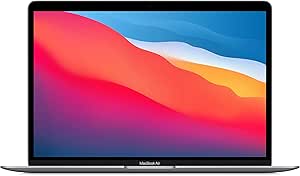



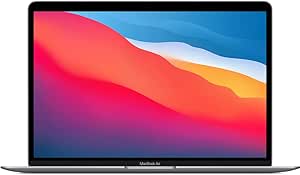






| macbook | Display | Storage | Memory | Weight |
|---|---|---|---|---|
| Apple 16-inch MacBook Pro | 16-inch Retina, 2560 × 1600 pixels | 512 GB SSD | 32 GB DDR3 SDRAM | — |
| Apple MacBook Air 13.3-inch | 13.3-inch LED LCD, 2560 × 1600 pixels | 256 GB SSD | 8 GB | 3.8 pounds |
| Apple 16.2-inch MacBook Pro wi | 16.2-inch Liquid Retina XDR | 1TB SSD | 24GB unified memory | 4.71 pounds |
| Apple MacBook Pro 16-inch | 16-inch Liquid Retina XDR, 3456 × 2234 pixels | 1 TB SSD | 16 GB DDR3 listed | 2.1 kg listed |
| Apple MacBook Pro 16-inch | 16 inches, 3072 × 1920 pixels | 1 TB SSD | 16 GB DDR4 | 4 pounds |
| Apple MacBook Pro 14.2-inch wi | 14.2-inch tandem OLED, Multi-Touch | — | — | 3.04 pounds |
| Apple MacBook Air 15-inch Lapt | 15.3-inch Liquid Retina, supports 1 billion colors | 512GB SSD | 16GB unified memory | 3.32 pounds |
| Apple MacBook Air | 13.3-inch Retina LED-backlit IPS, 2560 × 1600 | 128GB SSD | 8GB | 2.8 pounds |
| Apple MacBook Pro 13-inch | 13-inch Retina, 2560 × 1600 | 256GB SSD | 8GB DDR3 SDRAM | 2.6 pounds |
| Apple 2024 MacBook Pro 16-inch | 16.2-inch Liquid Retina XDR, 3456 × 2234 | 512GB SSD listed; product information contains a conflicting storage detail | 24GB | 2.14 kg |
| Apple MacBook Air 13-inch with | 13.6-inch Liquid Retina, supports 1 billion colors | 512GB SSD | 16GB unified memory | 2.71 pounds |
| Apple 2024 MacBook Pro 14-inch | 14.2-inch Liquid Retina XDR | 512GB SSD | — | 3.52 pounds |
| Apple MacBook Neo 13-inch Lapt | 13-inch Liquid Retina, supports 1 billion colors | 512GB SSD | 8GB unified memory | 2.71 pounds |
| Apple 2020 MacBook Air | 13.3-inch Retina LED-backlit IPS | 256GB PCIe SSD | 16GB LPDDR4X | — |
| Apple 14.2-inch MacBook Pro | 14.2-inch Liquid Retina XDR | 1TB SSD | 16GB unified memory | 3.41 pounds |
More Details on Our Top Picks
Apple 16-inch MacBook Pro (2019), Intel Core i9, 32GB RAM, 512GB SSD, Space Gray (Renewed)
This renewed 16-inch MacBook Pro suits buyers who need 32GB of memory and depend on software or peripherals built around Intel Macs. Its large Retina display, six-speaker audio, Touch ID, and Touch Bar give it a more fully equipped feel than the M1 MacBook Air, while the Air is considerably more appealing for portability and everyday efficiency. The listed Core i9 and generous memory can help with demanding multitasking, but the integrated Intel UHD Graphics 630 is a weak match for graphics-heavy professional work. Its 512GB SSD also offers less room than the 1TB drive in the 2021 M1 Pro MacBook Pro. Since this is renewed, prior wear is possible, and the product information lists conflicting processor speeds and display resolutions, so buyers should verify the configuration before choosing it.
Pros:- 32GB of memory supports heavier multitasking than the 8GB M1 MacBook Air
- Large 16-inch Retina display with True Tone
- Six-speaker system with force-cancelling woofers
- Touch ID and Touch Bar provide added input and authentication options
Cons:- Integrated Intel UHD Graphics 630 is a limitation for demanding graphics work
- Renewed condition may show prior use
- Product details conflict on processor speed and display resolution
Best for: Mac users who need substantial memory for Intel-dependent apps, legacy workflows, or heavy multitasking and prefer a large screen.
Not ideal for: Buyers seeking a lightweight laptop, strong modern graphics performance, or a clearly verified configuration; newer Apple silicon models are better fits.
- Display:16-inch Retina, 2560 × 1600 pixels
- Processor:Intel Core i9, 2.4 GHz listed in title
- Memory:32 GB DDR3 SDRAM
- Storage:512 GB SSD
- Graphics:Integrated Intel UHD Graphics 630
- Input and security:Keyboard, Touch Bar, Touch ID
- Included accessories:96W USB-C power adapter and 2-meter USB-C charge cable
- Warranty:90-day limited warranty listed in product information
Our verdict“Choose this renewed model for its 32GB memory and Intel compatibility, but skip it if you want newer graphics capabilities or a consistently documented configuration.”
Apple MacBook Air 13.3-inch (2020) with M1 Chip, 8GB RAM, 256GB SSD, Space Gray (Renewed)
This 2020 MacBook Air is the most approachable pick here for buyers who want a compact Apple silicon laptop for browsing, office work, and study. The M1 chip is a stronger everyday foundation than the aging Intel processors in the 2019 16-inch MacBook Pro, and its stated battery life of up to 18 hours supports long stretches away from an outlet. At 13.3 inches, it is easier to carry than any of the 16-inch Pros, though its screen gives less room for a sprawling workspace. The compromises are its 8GB of memory, which can constrain demanding workloads, and 256GB of storage, which leaves less space for large media libraries than the 1TB drives in the M1 Pro MacBook Pro and 2019 Intel i9 option. It is renewed, so condition and the short listed warranty deserve attention.
Pros:- M1 chip offers a modern Apple silicon option compared with the older Intel MacBook Pros
- Compact 13.3-inch size is easier to carry than the 16-inch models
- 256GB SSD provides more space than the 128GB M1 Air listed elsewhere in the roundup
- Backlit keyboard and stated battery life of up to 18 hours
Cons:- 8GB of memory can limit heavier multitasking and demanding creative apps
- 256GB storage may fill quickly with large projects
- Renewed condition and 90-day limited warranty may not suit buyers seeking a new laptop
Best for: Students and everyday users who want a portable Mac for web, documents, video calls, and light creative tasks.
Not ideal for: Video editors, developers running memory-heavy tools, or buyers who need extensive local storage or more than two listed USB ports.
- Year:2020
- Processor:Apple M1, 8-core, up to 3.1 GHz
- Memory:8 GB
- Storage:256 GB SSD
- Display:13.3-inch LED LCD, 2560 × 1600 pixels
- Battery life:Up to 18 hours as stated in product description
- Weight:3.8 pounds
- Connectivity:Wi-Fi, Bluetooth 5, HDMI; 2 USB ports listed
- Condition and warranty:Renewed; 90-day limited warranty
Our verdict“Pick this renewed M1 Air for portable everyday computing, but choose a higher-memory MacBook Pro for sustained professional workloads.”
Apple 16.2-inch MacBook Pro with M5 Pro, 18-core CPU, 20-core GPU, 24GB Memory, 1TB SSD, Wi-Fi 7 — Space Black
This M5 Pro MacBook Pro is the lineup’s strongest fit for demanding creative and professional workloads, pairing an 18-core CPU and 20-core GPU with 24GB of unified memory. Compared with the renewed 2021 M1 Pro MacBook Pro, it offers a newer chip, more memory, Thunderbolt 5, and Wi-Fi 7, making it better suited to current production workflows and fast external storage. The Liquid Retina XDR display, HDMI, and SDXC slot also make it a capable desk-and-studio machine without relying on a hub for common connections. The tradeoff is size: at 4.71 pounds, it is much less convenient to carry than the M1 MacBook Air. Buyers who need many external screens should also note the stated limit of three with M5 Pro. Its high-end capabilities may be unnecessary for routine school or office work.
Pros:- M5 Pro with 18-core CPU and 20-core GPU targets demanding workloads
- 24GB unified memory and 1TB SSD provide room for larger projects
- Liquid Retina XDR display lists up to 1600 nits peak brightness
- Thunderbolt 5, HDMI, SDXC, and Wi-Fi 7 support a versatile workspace
Cons:- 4.71-pound weight makes it less convenient to carry than the M1 MacBook Air
- M5 Pro supports up to three external displays, which may not suit larger multi-monitor setups
- Its professional hardware is more than many everyday users need
Best for: Video editors, photographers, developers, and other professionals who need powerful processing, a large high-brightness display, and built-in ports.
Not ideal for: Frequent travelers who prioritize low weight, or casual users whose daily work does not benefit from the Pro chip and advanced connectivity.
- Chip:Apple M5 Pro
- CPU and GPU:18-core CPU, 20-core GPU
- Display:16.2-inch Liquid Retina XDR
- Memory:24GB unified memory
- Storage:1TB SSD
- Ports:Three Thunderbolt 5, MagSafe 3, SDXC card slot, HDMI, headphone jack
- Wireless:Wi-Fi 7, Bluetooth 6
- Camera:12MP Center Stage
- Weight:4.71 pounds
Our verdict“Choose this M5 Pro for demanding creative work and built-in connectivity, not for a lightweight everyday MacBook.”
Apple MacBook Pro 16-inch (Late 2021) with M1 Pro, 16GB RAM, 1TB SSD, Silver (Renewed)
The renewed 2021 MacBook Pro makes sense for buyers who want a large Liquid Retina XDR screen and a 1TB SSD without needing the newest chip generation. Its M1 Pro gives it a more modern Apple silicon base than either 2019 Intel MacBook Pro in this selection, while the listed battery life of up to 21 hours makes it a more compelling unplugged-work option than those older models. The 16GB memory is enough for many photo, video, and office workflows, but it falls short of the 24GB in the M5 Pro MacBook Pro and the 32GB in the 2019 Intel i9 model. Product details list the memory as DDR3 and weight as 2.1 kg; buyers should verify those specifications before purchase. Renewed condition and the listed 90-day warranty add uncertainty compared with buying new.
Pros:- M1 Pro is a newer Apple silicon platform than the Intel chips in the 2019 models
- 16-inch Liquid Retina XDR display with 3456 × 2234 resolution
- 1TB SSD offers more local storage than the 512GB 2019 Intel i9 option
- Product description states battery life of up to 21 hours
Cons:- 16GB memory is lower than the 24GB in the M5 Pro model and 32GB in the 2019 Intel i9 model
- Renewed condition may include prior wear
- Listed memory type and weight should be verified because product details may not be consistent
Best for: Creative professionals and power users seeking a 16-inch XDR display, 1TB storage, and Apple silicon in a renewed MacBook.
Not ideal for: Buyers who need more than 16GB of memory, want a new machine, or require fully consistent product specifications before ordering.
- Model:MacBook Pro, Late 2021; model number MK1F3LL/A
- Processor:Apple M1 Pro, 10-core, 3.1 GHz listed
- Memory:16 GB DDR3 listed
- Storage:1 TB SSD
- Display:16-inch Liquid Retina XDR, 3456 × 2234 pixels
- Battery life:Up to 21 hours as stated
- Ports:4 total, including 1 HDMI port
- Weight:2.1 kg listed
- Condition and warranty:Renewed; 90-day limited warranty
Our verdict“Choose this renewed 2021 Pro for its big XDR display and 1TB SSD, provided 16GB of memory and renewed condition fit your needs.”
Apple MacBook Pro 16-inch (2019), 2.3GHz Intel Core i9, 16GB RAM, 1TB SSD, Space Gray (Renewed)
This renewed 2019 MacBook Pro is the practical choice for buyers who need an Intel-based Mac and want a full 1TB SSD. Its 2.3GHz six-core Core i9, 16GB of memory, and 16-inch display suit general professional work and sizable local files, while four USB-C/Thunderbolt ports offer flexibility for connected gear. Unlike the M1 MacBook Air, it is not built around Apple silicon’s newer platform, so it makes more sense for Intel-specific software than for buyers seeking a compact, modern everyday laptop. It also has half the memory of the other 2019 Intel i9 MacBook Pro in this batch, though that model has only 512GB of storage. The 1TB capacity is useful, but the renewed status and older Intel hardware remain meaningful compromises.
Pros:- Six-core Intel Core i9 supports Intel-dependent applications
- 1TB SSD provides twice the listed storage of the 512GB 2019 Intel i9 model
- 16-inch display with 3072 × 1920 resolution
- Four USB-C/Thunderbolt ports, fingerprint recognition, and a backlit keyboard
Cons:- 16GB memory is half the capacity of the other 2019 Intel i9 model in this batch
- Older Intel platform is less suited to buyers seeking a newer Apple silicon Mac
- Renewed condition means the laptop may have been previously used
Best for: Professionals tied to Intel Mac software or peripherals who want a 16-inch screen, four Thunderbolt ports, and 1TB of internal storage.
Not ideal for: Buyers seeking Apple silicon performance, more than 16GB of memory, or a smaller and lighter MacBook for daily travel.
- Model year:2019
- Processor:Intel Core i9-9880H, 6-core, 2.3 GHz
- Memory:16 GB DDR4
- Storage:1 TB SSD
- Display:16 inches, 3072 × 1920 pixels
- Ports:4 USB-C/Thunderbolt ports and headphone port
- Battery life:Up to 11 hours
- Weight:4 pounds
- Condition:Renewed; professionally inspected and tested
Our verdict“Pick this renewed 2019 Pro for Intel compatibility and 1TB storage, but choose an Apple silicon model for a newer platform or more efficient everyday use.”
Apple MacBook Pro 14.2-inch with Tandem OLED Display, Space Black
This 14.2-inch MacBook Pro is the standout for buyers whose work depends on a vivid, color-rich screen. Its tandem OLED panel combines up to 2,000 nits of peak brightness with P3 and Adobe RGB coverage, while Multi-Touch adds direct onscreen interaction that the 2024 MacBook Pro 16-inch with M4 Pro does not list. M5 Pro and M5 Max options, Thunderbolt 5, HDMI, and SDXC make it better suited to demanding creative setups than the 15-inch MacBook Air with M5, which is lighter on pro connectivity. The tradeoff is that the chip choice affects support for external displays, and the stated battery life is an estimate. I’d choose it for screen-led creative work, not simply because it is the newest-sounding option.
Pros:- Tandem OLED display offers up to 2,000 nits peak brightness and a 10,000,000:1 contrast ratio.
- P3 and Adobe RGB support suit color-sensitive creative work.
- Thunderbolt 5, HDMI, and SDXC reduce the need for adapters.
- Up to 22 hours of stated battery life and support for multiple external displays.
Cons:- External display support varies by chip: up to three with M5 Pro or four with M5 Max.
- The up-to-22-hour battery figure is an estimate, not a guaranteed runtime.
- Its pro-oriented capabilities may be unnecessary for routine browsing and office work.
Best for: Video editors, photographers, and color-focused creators who want a compact pro laptop with a high-brightness display and built-in card and HDMI connections.
Not ideal for: Travelers who prioritize a thin, quiet everyday laptop over pro ports and display capabilities, or buyers who do not need the M5 Pro or M5 Max configurations.
- Display:14.2-inch tandem OLED, Multi-Touch
- Peak brightness:Up to 2,000 nits
- Processor options:M5 Pro or M5 Max
- Battery life:Up to 22 hours
- Ports:Three Thunderbolt 5, MagSafe 3, SDXC, HDMI, headphone jack
- Wireless:Wi-Fi 7, Bluetooth 6
- External display support:Up to three with M5 Pro or four with M5 Max
- Weight:3.04 pounds
Our verdict“Choose this MacBook Pro if a bright, wide-gamut touchscreen and pro-grade connections matter more than a lighter everyday design.”
Apple MacBook Air 15-inch Laptop with M5 Chip, 16GB Memory, 512GB SSD, Midnight
The 15-inch Air gives everyday buyers more screen space without moving up to a MacBook Pro. Its 15.3-inch Liquid Retina display and six-speaker audio make it a better fit for split-screen work, video, and shared viewing than the 13.3-inch 2020 MacBook Air with M1. At 3.32 pounds, it remains portable, and its M5 chip, 16GB of memory, and 512GB SSD provide a more substantial everyday setup than that older renewed Air’s 8GB memory and 128GB drive. The compromises are practical: there are only two Thunderbolt 4 ports, and the larger chassis takes up more room in a travel bag than a 13-inch Air. I’d pick it over a Pro when a roomy screen matters more than a pro display and extra ports.
Pros:- 15.3-inch display provides useful space for multitasking and media.
- M5 chip paired with 16GB memory and a 512GB SSD.
- Up to 18 hours of stated battery life in a thin design.
- 12MP Center Stage camera and six-speaker system with Spatial Audio.
Cons:- Only two Thunderbolt 4 ports are listed, so several wired accessories may call for a hub.
- The 15.3-inch size is less convenient to pack than a 13-inch Air.
- Its Liquid Retina display and port selection are less pro-focused than the 14.2-inch MacBook Pro.
Best for: Students, remote workers, and frequent video-call users who want a roomy display, current M5 hardware, and enough storage for a broad range of everyday tasks.
Not ideal for: Frequent travelers who need the smallest MacBook, or creative professionals who need the MacBook Pro’s higher-end display and wider selection of ports.
- Display:15.3-inch Liquid Retina, supports 1 billion colors
- Processor:Apple M5
- Memory:16GB unified memory
- Storage:512GB SSD
- Battery life:Up to 18 hours
- Camera:12MP Center Stage
- Ports:Two Thunderbolt 4, MagSafe charging port, headphone jack
- Weight:3.32 pounds
Our verdict“Pick this Air if you want a large, capable everyday screen without stepping up to a MacBook Pro.”
Apple MacBook Air (2020) 13.3-inch, M1, 8GB RAM, 128GB SSD, Space Gray (Renewed)
This renewed M1 Air is the most basic choice in this group, suited to web browsing, documents, and light personal use rather than demanding creative projects. Its 2.8-pound design, Retina resolution, backlit keyboard, and Touch ID cover the essentials in a small package. Compared with the 15-inch MacBook Air with M5, however, it has an older processor, half the listed memory, a much smaller SSD, and a lower-resolution camera. That 128GB of storage can fill quickly with apps and files, so buyers who keep photos or media locally may find it restrictive. The renewed condition and 90-day limited warranty also make it a different proposition from a new Air. I’d choose it only for light use where compact size matters more than headroom.
Pros:- Light 2.8-pound design is easy to carry.
- 13.3-inch Retina display has 2560 × 1600 resolution.
- M1 chip includes an 8-core CPU, 7-core GPU, and 16-core Neural Engine.
- Backlit Magic Keyboard and Touch ID provide useful everyday conveniences.
Cons:- 128GB SSD leaves limited room for apps and locally stored files.
- 8GB memory and the older M1 platform offer less headroom than the M5 Air.
- 720p camera and 90-day limited warranty are notable compromises.
Best for: A student or home user seeking a compact MacBook for browsing, writing, video calls, and modest app needs who can manage a small internal drive.
Not ideal for: People who store large photo or video libraries, run demanding creative software, or want a higher-resolution camera and longer-term performance headroom.
- Model year:2020
- Display:13.3-inch Retina LED-backlit IPS, 2560 × 1600
- Processor:Apple M1, 8-core CPU
- Graphics:7-core GPU
- Memory:8GB
- Storage:128GB SSD
- Battery life:Up to 18 hours
- Weight:2.8 pounds
- Warranty:90-day limited warranty
Our verdict“Choose this renewed Air for light everyday tasks if its 128GB storage limit and older hardware fit your needs.”
Apple MacBook Pro 13-inch (2019), Core i5, 8GB RAM, 256GB SSD, Space Gray (Renewed)
This renewed 2019 MacBook Pro is a niche pick for buyers who specifically need a compact Intel-based Mac, rather than a current-generation MacBook. Its 13-inch Retina display, 2.6-pound weight, and Touch ID keep it convenient for basic mobile work, while the 256GB SSD offers more room than the 2020 M1 MacBook Air with 128GB. But that Air is the stronger choice for many everyday buyers: it uses Apple’s M1 chip, has a stated battery life of up to 18 hours, and this Intel Pro lists up to 10 hours. Here, 8GB of RAM, an 8th-generation processor, and only two Thunderbolt/USB-C ports limit its appeal for heavier workloads and accessory-rich desks. I’d select it only when the Intel platform is a specific requirement.
Pros:- Compact 2.6-pound design is easy to carry.
- 2560 × 1600 Retina display supports True Tone.
- Touch ID provides convenient fingerprint sign-in.
- 256GB SSD offers more listed storage than the 128GB M1 Air in this roundup.
Cons:- 8GB RAM and the 8th-generation Intel Core i5 constrain demanding workloads.
- Up to 10 hours of stated battery life is below the M1 Air’s listed up-to-18-hour figure.
- Two Thunderbolt/USB-C ports limit direct accessory connections.
Best for: Buyers who need a small, renewed Intel MacBook for light work and value Touch ID and a 256GB SSD over newer Apple silicon.
Not ideal for: Most first-time Mac buyers, users who need longer battery life, or anyone planning demanding work who would benefit from a newer M-series Mac.
- Model year:2019
- Display:13-inch Retina, 2560 × 1600
- Processor:8th-generation Intel Core i5, 1.4 GHz
- Memory:8GB DDR3 SDRAM
- Storage:256GB SSD
- Graphics:Intel Iris Plus Graphics 645
- Ports:Two Thunderbolt/USB-C
- Battery life:Up to 10 hours
- Weight:2.6 pounds
Our verdict“Consider this renewed Pro only if you need a compact Intel Mac; most buyers are better served by an M-series Air.”
Apple 2024 MacBook Pro 16-inch with M4 Pro, 24GB RAM, 512GB SSD, QWERTY Keyboard, Space Black (Renewed)
This renewed 16-inch MacBook Pro is the large-screen workhorse in this batch, with an M4 Pro chip and 24GB of memory for demanding creative work and multitasking. Its 16.2-inch Liquid Retina XDR display gives projects more room than the 14.2-inch MacBook Pro with tandem OLED, while the M4 Pro configuration is specified with a 20-core GPU. Both offer pro-oriented ports such as Thunderbolt 5, HDMI, and SDXC, but this model’s larger panel also means a heavier 2.14kg chassis. Its 512GB SSD is the listed capacity, though the product information contains conflicting storage details, so buyers should verify the configuration before purchase. Renewed condition adds another tradeoff against a new MacBook Pro. I’d favor it for desk-based creative work, not frequent carry.
Pros:- 16.2-inch Liquid Retina XDR display offers a spacious workspace and up to 1600 nits peak brightness.
- M4 Pro chip and 24GB RAM suit demanding apps and multitasking.
- Thunderbolt 5, MagSafe 3, SDXC, HDMI, and headphone jack cover a wide range of connections.
- 12MP Center Stage camera and six-speaker audio support calls and media.
Cons:- Renewed condition may differ from a new device.
- Product information conflicts on the listed storage capacity, which should be checked before buying.
- At 2.14kg, it is less convenient to carry than the 14.2-inch MacBook Pro.
Best for: Video editors, developers, and other demanding users who want a large XDR workspace, substantial memory, and a broad set of built-in connections in a renewed MacBook.
Not ideal for: Frequent travelers who want a lighter laptop, buyers who require a new device, or anyone unwilling to verify the conflicting storage information.
- Model:2024 MacBook Pro
- Processor:Apple M4 Pro
- Memory:24GB
- Storage:512GB SSD listed; product information contains a conflicting storage detail
- Display:16.2-inch Liquid Retina XDR, 3456 × 2234
- Peak brightness:Up to 1600 nits
- Graphics:Integrated Apple M4 Pro 20-core GPU
- Ports:Three Thunderbolt 5, MagSafe 3, SDXC, HDMI, headphone jack
- Weight:2.14 kg
Our verdict“Choose this renewed 16-inch Pro for a spacious creative workstation if its condition and storage configuration check out.”
Apple MacBook Air 13-inch with M5 Chip, 16GB Memory, 512GB SSD, Silver
The 13-inch MacBook Air with M5 is the most portable current-generation pick here for buyers who want a capable everyday laptop without Pro-class weight. Its 2.71-pound body, up to 18 hours of battery life, and 16GB of memory suit mobile work, many browser tabs, and lighter creative projects. Compared with the larger 15-inch MacBook Air with M5, this model is easier to carry but gives you less screen space. It also has less memory than the 14-inch MacBook Pro with M4 Pro, making it a weaker fit for sustained demanding workloads. The Liquid Retina screen, Center Stage camera, and support for two external displays add flexibility, while the two Thunderbolt 4 ports mean accessories may require a hub.
Pros:- Lightweight 2.71-pound design is easy to carry
- Up to 18 hours of battery life suits long days away from an outlet
- M5 chip and 16GB unified memory support everyday multitasking
- Supports up to two external displays
Cons:- Two Thunderbolt 4 ports may require a hub for multiple accessories
- The 13.6-inch screen offers less workspace than the 15-inch MacBook Air
- 16GB of memory is less suited to demanding, sustained professional workloads
Best for: Students, commuters, and remote workers who want a lightweight M5 MacBook for everyday tasks and occasional creative work.
Not ideal for: People who regularly connect several wired accessories or run memory-intensive professional workloads; the port selection and 16GB memory are less suited to those needs.
- Chip:Apple M5
- Display:13.6-inch Liquid Retina, supports 1 billion colors
- Memory:16GB unified memory
- Storage:512GB SSD
- Battery life:Up to 18 hours
- Camera:12MP Center Stage
- Ports:Two Thunderbolt 4, MagSafe charging, headphone jack
- Weight:2.71 pounds
Our verdict“Choose this Air if portability and long battery life matter more than a larger screen or Pro-level headroom.”
Apple 2024 MacBook Pro 14-inch with M4 Pro, 12-core CPU, 16-core GPU, 24GB Memory, 512GB SSD, Space Black
For buyers whose work regularly pushes beyond everyday multitasking, the 14-inch MacBook Pro with M4 Pro brings a stronger performance and memory profile than the MacBook Air models in this group. Its 12-core CPU, 16-core GPU, and 24GB of unified memory are better suited to compiling code and handling demanding creative apps than the 16GB M5 Air. The 14.2-inch Liquid Retina XDR display, with peak brightness up to 1600 nits, also makes detailed work and bright viewing conditions a better fit than the Air’s Liquid Retina panel. The tradeoffs are practical: at 3.52 pounds, it is heavier than the Air, and its 512GB SSD can fill quickly with large media projects. Buyers who need more built-in storage may prefer the M5 Pro MacBook Pro with 1TB.
Pros:- M4 Pro chip with 12-core CPU and 16-core GPU suits demanding workloads
- 24GB unified memory offers more headroom than the 16GB Air models
- Liquid Retina XDR display reaches up to 1600 nits peak brightness
- Runs macOS apps including Microsoft 365 and Adobe Creative Cloud
Cons:- At 3.52 pounds, it weighs more than either 13-inch MacBook Air
- 512GB SSD may constrain large project libraries
- Less portable than the 14-inch MacBook Pro with M5 listed here
Best for: Developers and creative professionals who need more memory and processing headroom for demanding apps, but prefer a 14-inch laptop.
Not ideal for: Frequent travelers prioritizing the lightest carry, or media professionals who need more than 512GB of built-in storage.
- Chip:Apple M4 Pro
- CPU:12-core
- GPU:16-core
- Display:14.2-inch Liquid Retina XDR
- Peak brightness:Up to 1600 nits
- Unified memory:24GB
- Storage:512GB SSD
- Weight:3.52 pounds
Our verdict“Pick this Pro for memory-hungry work and a bright XDR display, provided its weight and 512GB storage fit your routine.”
Apple MacBook Neo 13-inch Laptop with A18 Pro Chip, 8GB Memory, 512GB SSD, Liquid Retina Display, and Touch ID – Blush
The 13-inch MacBook Neo is the simplest fit for buyers who want a portable Mac for routine tasks rather than a laptop built around heavier workloads. Its A18 Pro chip, 512GB SSD, and up to 16 hours of battery life cover everyday browsing, documents, and video calls, while the recycled aluminum enclosure keeps weight at 2.71 pounds. Compared with the 13-inch MacBook Air with M5, the Neo has half the unified memory and a 1080p FaceTime HD camera instead of a 12MP Center Stage camera, so the Air is the stronger pick for multitasking and frequent video meetings. The Neo still brings a Liquid Retina display, dual microphones, and Apple Intelligence features. Its 8GB memory is the key limit, and battery life varies with use.
Pros:- Portable 2.71-pound aluminum design
- 512GB SSD offers room for more local files than a 256GB configuration
- Up to 16 hours of battery life
- 1080p camera, dual microphones, and Apple Intelligence features
Cons:- 8GB unified memory limits demanding multitasking
- 1080p camera lacks the 12MP Center Stage features on the M5 Air
- Battery life varies with use
Best for: Budget-conscious students and home users focused on browsing, documents, video calls, and other light everyday tasks.
Not ideal for: People who keep many demanding apps open, edit large creative projects, or want stronger multitasking headroom than 8GB of memory allows.
- Processor:A18 Pro chip
- Display:13-inch Liquid Retina, supports 1 billion colors
- Memory:8GB unified memory
- Storage:512GB SSD
- Battery life:Up to 16 hours
- Camera:1080p FaceTime HD
- Audio:Dual-mic array and two side-firing speakers
- Weight:2.71 pounds
Our verdict“Choose the Neo for light daily computing and a portable build, but step up to the M5 Air if you need more memory or stronger video-call features.”
Apple 2020 MacBook Air, 13.3-inch, Intel Core i7, 16GB RAM, 256GB SSD, Space Gray (Renewed)
This renewed 2020 Intel MacBook Air is a legacy option for buyers who specifically need an Intel-based Mac or prefer its familiar setup over a newer Apple-silicon model. The 16GB of memory and 13.3-inch Retina display make it more comfortable for multitasking and detailed viewing than the 8GB MacBook Neo, but its 256GB SSD leaves less room for files than the Neo’s 512GB drive. The 1.2GHz quad-core Intel Core i7 and Intel Iris Plus graphics also place it behind the newer M5 Air and M4 Pro MacBook Pro for demanding modern work. Touch ID and two Thunderbolt 3 ports remain useful, though the 720p camera and 802.11ac Wi-Fi are older-generation features. Its 90-day limited warranty and renewed condition are additional ownership factors.
Pros:- 16GB memory supports multitasking
- Retina IPS display has a 2560 × 1600 resolution
- Touch ID provides fingerprint authentication
- Two Thunderbolt 3 ports support charging, data transfer, and external displays
Cons:- Older Intel processor and integrated graphics trail the newer M5 and M4 Pro models
- 256GB SSD may be restrictive for large files
- Renewed condition and 90-day limited warranty differ from a new MacBook purchase
Best for: Buyers who specifically need an Intel Mac for compatibility reasons and are comfortable choosing a renewed, older-generation laptop.
Not ideal for: People seeking current Apple-silicon performance, modern wireless connectivity, a larger built-in SSD, or a longer stated warranty.
- Model:MacBook Air (2020)
- Processor:1.2GHz quad-core Intel Core i7
- Memory:16GB LPDDR4X
- Storage:256GB PCIe SSD
- Display:13.3-inch Retina LED-backlit IPS
- Resolution:2560 × 1600 pixels
- Graphics:Intel Iris Plus
- Warranty:90-day limited warranty
Our verdict“Consider this renewed Air only if Intel compatibility is a specific need and its older hardware and limited storage are acceptable.”
Apple 14.2-inch MacBook Pro (2025) with M5 chip, 10-core CPU, 10-core GPU, 16GB memory, and 1TB SSD — Space Black
This 14.2-inch MacBook Pro with M5 is a balanced choice for buyers who want a vivid Pro display and useful connections without stepping up to the M4 Pro model’s 24GB memory. Its Liquid Retina XDR screen reaches up to 1600 nits peak brightness, while the 1TB SSD gives it twice the capacity of the 512GB drives in the M4 Pro MacBook Pro and the 13-inch M5 Air. HDMI and an SDXC card slot are built in alongside three Thunderbolt 4 ports, reducing reliance on adapters for common display and camera-card workflows. Compared with the 14-inch MacBook Pro with M4 Pro, it offers more storage and weighs slightly less, but has 16GB rather than 24GB of memory. At 3.41 pounds, it is still heavier than an Air, and its external-display support is limited to two.
Pros:- 1TB SSD provides more built-in storage than the 512GB alternatives
- Liquid Retina XDR display reaches up to 1600 nits peak brightness
- Three Thunderbolt 4 ports plus HDMI and SDXC reduce adapter dependence
- 12MP Center Stage camera and six-speaker audio system
Cons:- 3.41-pound weight is less convenient to carry than a MacBook Air
- 16GB memory is below the 24GB configuration in the M4 Pro model
- Supports up to two external displays
Best for: Photographers and mobile professionals who want an XDR screen, 1TB of storage, and built-in HDMI and SDXC connections.
Not ideal for: People who prioritize a lightweight laptop or need more than 16GB of memory and support for more than two external displays.
- Chip:Apple M5
- CPU:10-core
- GPU:10-core
- Memory:16GB unified memory
- Storage:1TB SSD
- Display:14.2-inch Liquid Retina XDR
- Peak brightness:Up to 1600 nits
- Ports:Three Thunderbolt 4, MagSafe 3, SDXC card slot, HDMI, headphone jack
- Weight:3.41 pounds
Our verdict“Pick this Pro if built-in ports, an XDR display, and 1TB of storage matter more than Air-level portability or the M4 Pro’s extra memory.”

How We Picked
I ranked these 15 options by how well their listed configuration fits a clear buyer need, weighing chip generation and class, memory, storage, screen size, and portability together. Newer Apple silicon models generally rank ahead for current performance and longer-term usefulness, while Pro models earn their place when their added capability is meaningful for sustained creative or technical work. Air models score well for everyday computing because they avoid the extra size and power of a Pro, and the Neo has a distinct entry-level role.
Renewed models are judged by their actual specifications rather than their original position in Apple’s lineup: an M1 Air with 8GB memory and 128GB storage is a different proposition from an M1 Pro MacBook Pro with 16GB and a 1TB SSD. Intel models rank lower because they are older platforms and should be chosen only when their particular configuration, software needs, or condition makes sense. I also account for what is missing from the listing: a model name alone does not confirm battery health, warranty, or upgrade options, so renewed purchases call for extra verification.
Factors to Consider When Choosing Best Macbooks
Choosing a MacBook is less about finding the most powerful model and more about matching capacity to your work and the way you carry it. I would settle the workload, memory, and storage questions before comparing screen sizes or choosing an older model for its apparent value.
Match the chip class to the work you actually do
For browsing, documents, video calls, and streaming, an Air-class laptop is usually the sensible starting point; a Pro chip can add cost, weight, and capability you may rarely use. Regular work with large video projects, complex development builds, 3D tasks, or several demanding apps at once makes a Pro-class chip easier to justify. Think about sustained workloads, not just brief bursts: a task repeated for hours can benefit more from a higher-performance machine than an occasional export. Do not assume the newest chip automatically makes a laptop the right buy if your apps and projects are light. For mixed use, prioritize enough memory and storage before stepping up to a more powerful chip. That approach can prevent paying for performance you will not notice.
Choose memory for your workload, not just today’s apps
Memory affects how comfortably a MacBook can keep multiple apps, browser tabs, and large working files open together. A light-use buyer may be comfortable with a modest configuration, while editing, development, and heavier multitasking benefit from more headroom. Since memory is generally not a practical later upgrade on these laptops, a low configuration can be a more lasting limitation than a slower-feeling first week suggests. Compare the memory listed for the exact model, especially when shopping renewed: similar-looking machines in this lineup range from 8GB to 32GB. If your needs may grow, favor a configuration with room to spare rather than relying on external storage to solve a memory constraint. Extra memory cannot compensate for an unsuitable chip, but it can help keep a capable machine useful across more demanding workflows.
Treat storage as a daily convenience decision
A small SSD can work for cloud-first users who keep few local files, but it leaves less room for apps, offline media, and active project folders. External drives and cloud storage can expand capacity, yet they add steps and may be inconvenient when traveling or working away from a reliable connection. Creative work often includes large source files and caches, making internal storage more valuable than a spec sheet glance might suggest. The listed M1 Air options illustrate why checking the exact configuration matters: one has 256GB, while another has 128GB. Before buying, estimate how much space your current laptop uses and leave room for future files and system updates. If that estimate is already close to the MacBook’s capacity, consider a larger SSD rather than planning to manage storage constantly.
Pick a screen size around how and where you work
A 13- or 14-inch model is easier to carry and fits better on small desks, in classrooms, and on crowded commutes. A 15- or 16-inch display gives documents, timelines, and side-by-side windows more room, which can reduce the need for an external monitor. The larger size also means more bulk in a bag, so the benefit depends on whether the laptop stays put or travels with you. A big screen is not a substitute for a second display if your workflow needs several persistent windows. Consider your usual workspace and whether you often connect an external monitor before paying for a larger chassis. The Air-versus-Pro choice matters too: screen size alone does not tell you which model has the performance or ports your work requires.
Inspect renewed MacBooks beyond the model name
A renewed label does not tell you the battery’s present condition, the exact warranty, or what accessories are included. Check the seller’s return terms and ask for battery-health information where available; a worn battery can undermine the portability that makes a MacBook appealing. Confirm the precise chip, memory, SSD capacity, keyboard layout, and screen size, since older generations can appear under similar product names. Older Intel machines may suit a narrow software or budget need, but compare them carefully with Apple silicon models before choosing a low-cost configuration. Also review the condition grading and whether the device has been checked for display, keyboard, ports, and charging. If the listing leaves important details unanswered, the uncertainty is part of the purchase decision.
Plan for the ports and accessories your setup needs
Think through what you plug in during a normal workday: an external display, storage, camera, wired network, or card reader can change how convenient a laptop feels. A thin Air may suit a simple desk, while a Pro may better fit a setup that uses more demanding peripherals, but check the exact model’s port selection rather than relying on the family name. A hub can fill gaps, though it adds another item to carry and another connection to manage. If you often work from a fixed desk, a hub may be an easy compromise; frequent travelers may prefer a setup with fewer adapters. Include the cost and space of any required accessories in your decision, even though those details are separate from the laptop’s listed configuration. A machine that fits your daily connections can be more useful than one with stronger specs but a less convenient setup.
Frequently Asked Questions
Is a renewed M1 MacBook Air still a sensible choice in 2027?
It can make sense for browsing, documents, streaming, and other light everyday tasks, especially if the exact configuration fits your needs and the seller provides clear condition and return details. The 8GB memory and smaller SSD options in this lineup leave less room for heavy multitasking or a growing local file library. The 256GB version is easier to live with than the listed 128GB option if you keep apps and files on the laptop. Compare either one with the current M5 Air before buying: the newer model offers more listed memory and storage, along with a newer chip. A renewed M1 is best treated as a deliberate lower-capacity choice, not a substitute for a current workstation.
Should I choose a MacBook Air or a MacBook Pro for video editing?
The answer depends on how often you edit, the size of your projects, and whether you export or render for long stretches. An Air can suit occasional editing and lighter footage, while Pro-class models are a better fit for sustained workloads and more demanding project files. In this lineup, the M4 Pro and M5 Pro MacBook Pros bring more performance headroom, while the M5 Air models are the more portable everyday option. Memory and SSD capacity matter alongside the chip because video files and active projects can consume both quickly. If editing is a central part of your work, consider the Pro; if it is occasional, an Air may avoid capability you do not need.
Is a 128GB MacBook Air enough for school or college?
It may be enough if most work stays in cloud services, your apps are modest, and you regularly move or delete local files. It can become frustrating when you download lectures, keep media offline, install larger apps, or work with creative projects. The 128GB renewed M1 Air in this roundup has less breathing room than the 256GB version, and both have less storage than the listed M5 Air models. Check how much space your current device uses before deciding, and account for system files and future coursework rather than relying on the empty-space figure alone. If you want to keep the laptop for several years without frequent file management, choose more internal storage where possible.
Are the 2019 Intel MacBook Pros worth choosing over an Apple silicon model?
They are a narrower choice than the Apple silicon machines in this roundup. A 2019 Intel Pro may appeal if you have a specific software, hardware, or compatibility reason for that platform, but its older architecture makes it harder to recommend as a general-purpose purchase. Compare its memory and SSD with the M1 Pro or newer models, not just its Core i9 label or screen size. A renewed listing also calls for checking battery condition, return rights, and device condition before purchase. For most everyday and demanding workloads alike, I would start with an Apple silicon MacBook unless a clear requirement points to Intel.
Should I pay for a 16-inch MacBook Pro if I mostly work at a desk?
A 16-inch Pro can be worthwhile if you want a large built-in workspace, use demanding apps, or spend long sessions away from an external monitor. If the laptop rarely leaves your desk and you already use a large display, the 14-inch Pro may deliver the performance you need in a more portable chassis. An Air can also handle ordinary office work without the size and capabilities of a Pro. Compare the exact configurations: this roundup includes both newer Pro chips and older renewed 16-inch models, so screen size alone does not indicate comparable performance. Pay for the larger model when its display and sustained capability solve a real part of your workday.
Conclusion
Best overall: I would choose the 16-inch MacBook Pro with M5 Pro for demanding creative, technical, and multitasking work that can use its 24GB memory and 1TB SSD. Best value: the renewed M1 MacBook Air with 256GB SSD is the more balanced older option for light everyday tasks, provided its condition checks out; I would skip the 128GB version if you keep many files locally. Best premium: the 2024 16-inch MacBook Pro with M4 Pro suits buyers who want a large Pro workspace and 24GB memory in a renewed model. Best for beginners: the 13-inch MacBook Air with M5 offers a straightforward fit for study, home, and general use without a Pro-class workload. Best for specific needs: choose the 14-inch MacBook Pro with M4 Pro when you need a more portable pro workstation, or the 15-inch M5 Air when a large screen matters more than Pro-level performance. Match the configuration to your workload, then verify condition and seller terms before choosing any renewed MacBook.