
To guarantee safe resin 3D printing, make sure you have proper ventilation, like a dedicated exhaust or active fans, to clear fumes and reduce inhalation risks. Always wear nitrile gloves and eye protection to prevent chemical contact and splashes. Keep your cleanup process quick and smooth by setting up a designated area with tools and curing stations nearby. Want to master these precautions and create a safer workspace? Keep exploring for more tips.
Key Takeaways
- Ensure proper workspace ventilation with exhaust systems or open windows to dissipate resin fumes effectively.
- Always wear nitrile gloves and safety goggles when handling resin to prevent skin and eye contact.
- Use a dedicated, well-ventilated area for cleanup, and handle uncured resin with care to avoid spills and splashes.
- Cure leftover resin in a container or with a curing station to solidify waste before disposal, reducing hazards.
- Keep resin containers sealed, store in a cool, ventilated space, and follow local disposal regulations to minimize health risks.

ANYCUBIC Photon Mono 4, Resin 3D Printer with 7'' 10K Mono LCD Screen, Stable LighTurbo Light Source and 70mm/h Fast Printing, Print Volume 6.04'' x 3.42'' x 6.49''
【7'' 10K High Resolution】Photon Mono 4 boasts an impressive 105% increase in print precision compared to Mono 2....
As an affiliate, we earn on qualifying purchases.
What Are the Safety Risks of Resin 3D Printing?

Resin 3D printing poses several safety risks that you need to be aware of to prevent health hazards. One major concern is chemical hazards, as the liquid resin contains potentially harmful substances that can cause skin irritation or allergic reactions upon contact. Skin exposure is a common risk if you accidentally spill or touch uncured resin without proper protection. The chemicals can also emit fumes that may irritate your eyes, nose, or respiratory system. Without proper precautions, prolonged exposure can lead to more serious health issues. It’s essential to handle resin carefully, wear gloves, and avoid direct contact. Being aware of these chemical hazards helps you minimize risks and keep your workspace safe during the printing process. Additionally, understanding air quality considerations such as proper ventilation can significantly reduce inhalation of fumes and improve safety. Proper handling techniques are crucial to prevent accidental spills and reduce chemical exposure, ensuring a safer printing environment. Employing appropriate cleanup methods can also help prevent chemical residues from lingering and causing potential skin contact issues. Utilizing personal protective equipment can further shield you from potential health risks and enhance overall safety during resin 3D printing.

FLASHFORGE Adventurer 5M 3D Printer with Fully Auto Leveling, Max 600mm/s High Speed Printing, 280°C Direct Extruder with 3S Detachable Nozzle, CoreXY All Metal Structure, Print Size 220x220x220mm
One-Click Automatic Printing: Experience hassle-free 3D printing with the Adventurer 5M Series. Enjoy automatic bed leveling for flawless...
As an affiliate, we earn on qualifying purchases.
How Do I Set Up My Workspace for Safe Resin Printing?
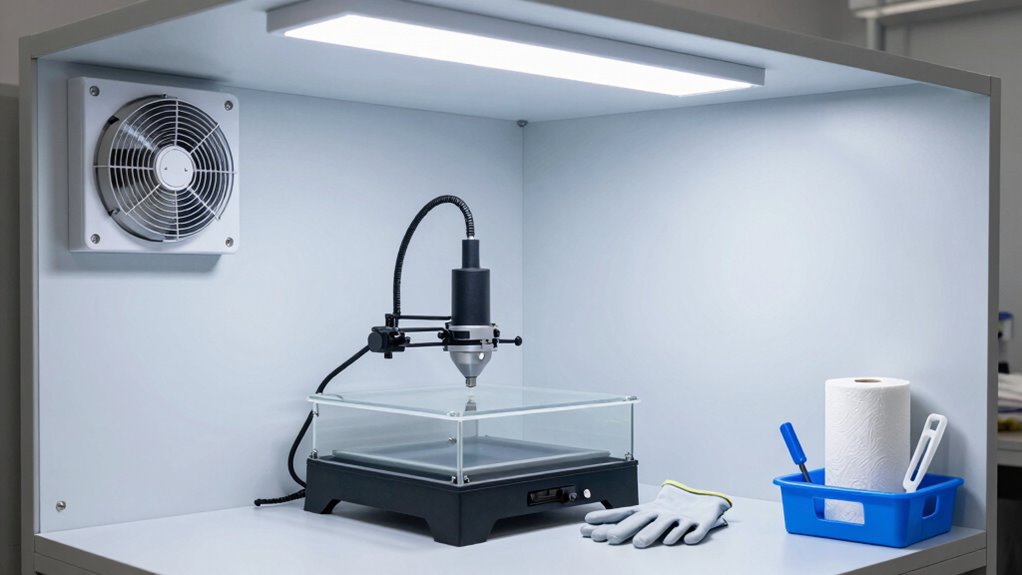
To guarantee safe resin printing, you need to carefully set up your workspace with proper containment and ventilation. Ensure your workspace is organized, with designated areas for resin storage and used tools. Keep resin containers sealed and stored away from heat or sunlight. Use a well-ventilated area or an exhaust system to prevent fumes from accumulating. Proper workspace organization helps avoid spills and accidental contact. Consider this setup:
| Area | Purpose |
|---|---|
| Resin Storage | Keep resin sealed and away from children |
| Work Surface | Clean, flat surface for printing |
| Ventilation Zone | Ensure airflow to reduce fumes |
| Disposal Bin | Safe disposal of waste and excess resin |
This arrangement minimizes hazards and promotes a safe, efficient workflow. Additionally, air quality management devices can help monitor and improve indoor air safety. Incorporating air filtration systems can also significantly reduce the presence of potentially harmful fumes in your workspace. For added safety, consider integrating smart ventilation systems that monitor and improve air quality automatically. Proper filtering can also reduce the presence of potentially harmful fumes in your workspace.

ELEGOO Centauri Carbon 3D Printer, CoreXY 500mm/s High Speed Printing with Auto Calibration, 320°C Nozzle and Built-in Camera, Ready to Print Out of the Box, 256x256x256mm Printing Size
Print Right Out of the Box: ELEGOO Centauri Carbon arrives fully assembled and pre-calibrated, ready to go right...
As an affiliate, we earn on qualifying purchases.
How Should I Handle and Dispose of Resin Chemicals?
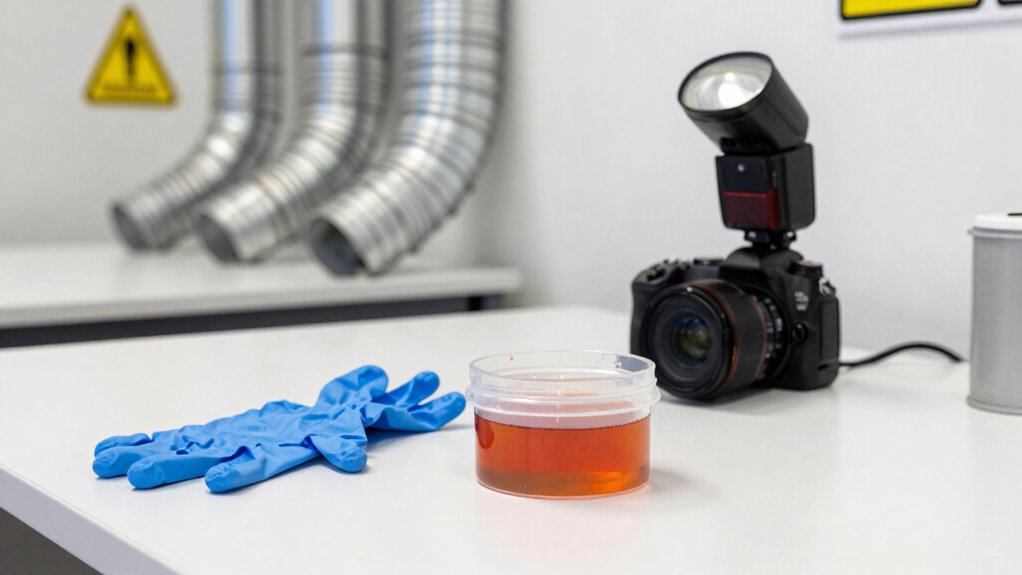
Handling resin chemicals safely is essential to prevent health risks and environmental contamination. Always store resin in a well-ventilated area, preferably in a sealed, clearly labeled container away from heat or direct sunlight. Use dedicated resin storage containers to avoid spills or accidental mixing. When it’s time to dispose of excess resin or used chemicals, follow local regulations for chemical disposal. Never pour resin down the drain or onto the ground. Instead, solidify leftover resin with a curing agent or absorbent material before discarding it in accordance with hazardous waste guidelines. Keep your workspace organized and clean to minimize accidental exposure. Proper handling and responsible disposal protect both your health and the environment, ensuring a safe and sustainable resin 3D printing process. Regularly monitor your workspace for proper ventilation and safety compliance to maintain a safe environment. Additionally, understanding the role of ventilation in reducing airborne chemical exposure is critical for maintaining a safe work area. Employing appropriate personal protective equipment such as gloves, masks, and goggles further reduces the risk of contact with hazardous chemicals.

FLASHFORGE AD5X Multi-Color 3D Printer, CoreXY 600mm/s High-Speed, 1-Click Auto Leveling, 300°C Direct Drive Extruder, 220x220x220mm Build Volume, Ideal for Precision and Efficiency
Vivid Multi-Color Printing: Bring your creations to life with vibrant, multi-color prints. This printer supports up to 4...
As an affiliate, we earn on qualifying purchases.
How Can I Make Post-Print Cleanup Easy and Fast?
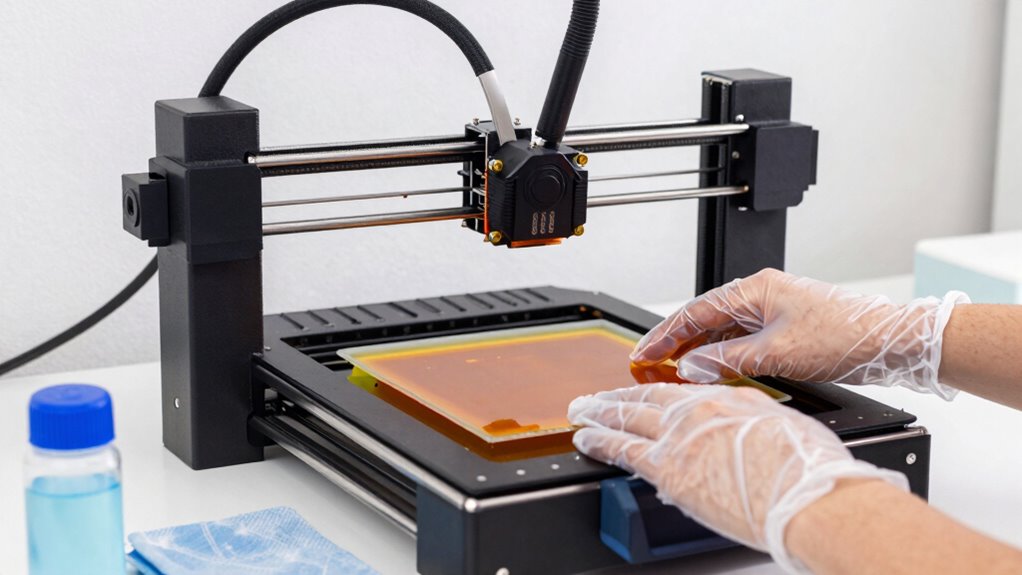
Streamlining your post-print cleanup process can save you time and effort while keeping your workspace safe. To make post print cleaning quick, set up a dedicated area with all your tools within arm’s reach, like brushes, gloves, and curing stations. After printing, rinse your model with isopropyl alcohol or a cleaning station, then carefully transfer it to the curing process. Use a container to hold leftover resin for reuse or proper disposal. Keep your workspace organized with a table like:
| Step | Action |
|---|---|
| 1 | Rinse print immediately |
| 2 | Dry and inspect |
| 3 | Cure to improve strength |
| 4 | Store or dispose safely |
Implementing proper safety protocols ensures that handling resin and cleaning materials remains safe and efficient. Additionally, understanding ventilation requirements helps prevent resin fumes from accumulating in your workspace. Ensuring adequate airflow is crucial for maintaining a safe environment during and after printing. This approach minimizes mess and speeds up post print cleaning, making the entire process efficient.
What PPE Do I Need for Resin 3D Printing?
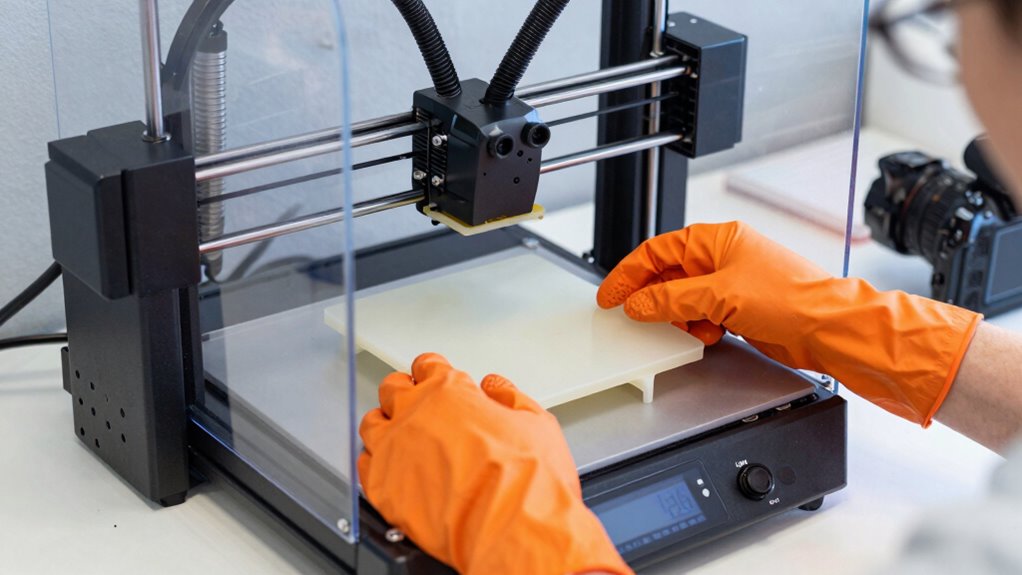
Since resin can contain hazardous chemicals that pose health risks, wearing proper personal protective equipment (PPE) is essential during resin handling and post-processing. PPE essentials include nitrile gloves to protect your skin from resin contact, safety goggles or glasses to shield your eyes from splashes, and a respirator mask if you’re working in poorly ventilated areas. Long-sleeved clothing or a lab coat can help prevent skin exposure. Ensure your gloves are powder-free and chemical-resistant. When handling resin, always wear PPE to minimize absorption of toxic substances and reduce skin irritation. Proper PPE use also supports safe resin handling and minimizes risks during cleanup. Additionally, using adequate ventilation can further reduce inhalation risks during printing and post-processing, creating a safer workspace. After printing, proper PPE use makes cleanup safer and more efficient. Prioritizing PPE not only keeps you safe but also promotes responsible resin handling practices.
Frequently Asked Questions
Can I Use Household Ventilation Systems for Resin 3D Printing Safety?
You shouldn’t rely solely on household ventilation for resin 3D printing safety. Household systems often lack the necessary power to filter fumes effectively. Instead, consider DIY air filtration setups with activated carbon filters or fume extractors designed for resin fumes. These solutions help reduce exposure and keep your workspace safer. Always guarantee proper ventilation and wear gloves to minimize health risks, even with upgraded DIY air filtration.
Are There Eco-Friendly Resin Options That Reduce Health Risks?
Yes, there are eco-friendly resin options with reduced health risks. Look for biodegradable resins and low toxicity formulations, which minimize harmful emissions and environmental impact. These resins are designed to be safer for you and the planet, often producing fewer fumes and easier cleanup. Always check the product labels and datasheets to make certain they meet eco-friendly standards, and still follow safety precautions like proper ventilation and gloves.
How Often Should I Replace Gloves During Resin Handling?
You should replace your gloves every time you handle resin, especially if you’re doing frequent handling. Glove durability decreases with handling frequency, so even if they look fine, they may have tiny tears or compromised protection. Change gloves immediately after touching uncured resin, cleaning, or switching tasks. This practice reduces skin exposure to hazardous materials, keeping you safe and ensuring consistent protection during your resin 3D printing process.
What Are Signs of Resin Chemical Exposure I Should Watch For?
You should watch for signs of resin chemical exposure like skin irritation, which may appear as redness, itching, or rash on your hands or other contact areas. Respiratory issues, such as coughing, shortness of breath, or throat irritation, can also indicate exposure. If you notice these symptoms, remove yourself from the area immediately, wash your skin thoroughly, and seek medical advice to prevent further health problems.
Is It Safe to Store Unused Resin in Regular Containers?
Storing unused resin in regular containers is like putting a firecracker in a paper bag—it’s risky. For safe resin storage, always use airtight, chemical-resistant containers designed for resin. Regular containers may leak or degrade, risking spills or fumes. Proper container safety keeps resin contained, prevents accidental exposure, and maintains resin quality. Always label containers clearly, store them in a well-ventilated area, and follow manufacturer recommendations for safe resin storage.
Conclusion
By prioritizing ventilation, wearing gloves, and practicing careful cleanup, you protect yourself and your environment. By setting up a safe workspace, handling chemicals responsibly, and using the right PPE, you create a seamless, stress-free printing experience. Embrace safety as your routine, make cleanup quick and simple, and enjoy your resin 3D printing journey with confidence, clarity, and peace of mind.