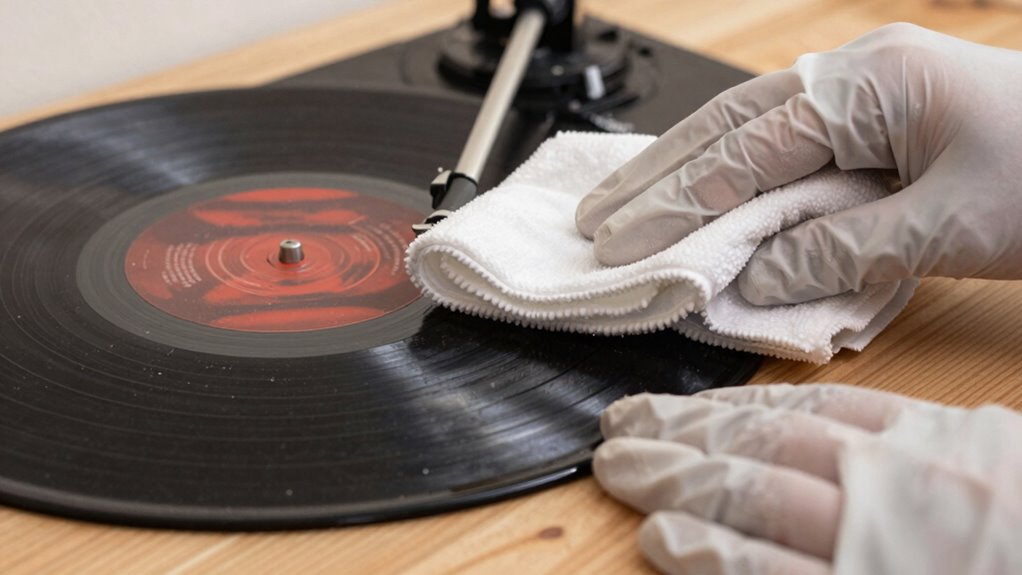

By establishing a consistent record cleaning habit, you not only preserve your vinyl’s sound quality but also protect your health and environment. Regularly removing dust, static, and debris prevents harmful buildup that can be inhaled or cause long-term wear on your records. Using the right tools and techniques, like anti-static brushes and gentle solutions, make a big difference. Keep your collection and surroundings safe—stay tuned to discover how to develop this essential routine.

Get the latest gadgets delivered free with Prime
- Fast, free delivery on millions of items
- Prime Video, Amazon Music and more included
- Member-only deals all year
Key Takeaways
- Regularly cleaning records prevents dust and static buildup, protecting both sound quality and your long-term investment.
- Proper handling and gentle cleaning techniques reduce wear and preserve the integrity of grooves over time.
- Using anti-static brushes and vacuum cleaning machines minimizes static and debris, safeguarding against long-term damage.
- Maintaining an optimal storage environment shields records from humidity and temperature fluctuations, preventing warping and deterioration.
- Consistent cleaning habits extend the lifespan of records, ensuring ongoing enjoyment and protecting your entire collection.
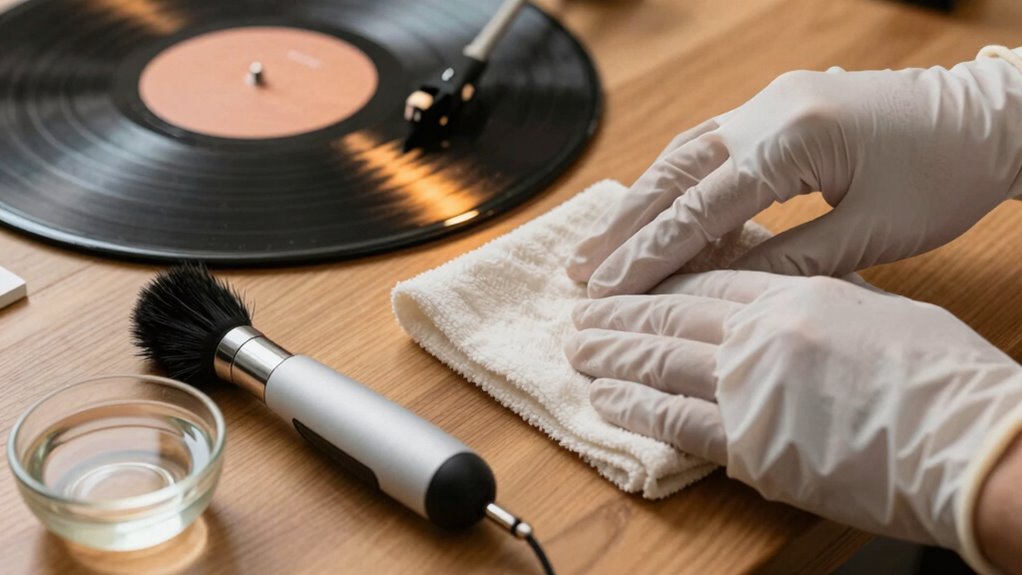
Maintaining a regular record cleaning habit is vital for preserving the sound quality of your vinyl collection. When you stay consistent with cleaning, you not only keep your records sounding their best but also protect your investment over time. Dust, fingerprints, and static can accumulate quickly, causing unwanted pops, crackles, and even long-term damage if left unchecked. Proper vinyl preservation hinges on your commitment to using the right cleaning tools and techniques, which makes a considerable difference in the longevity of your records.
Consistent record cleaning preserves sound quality and protects your vinyl collection over time.
Your cleaning routine should be simple but effective. Invest in quality cleaning tools designed specifically for vinyl records—these could include anti-static brushes, microfiber cloths, and record cleaning machines. These tools help you remove surface dust and debris without scratching or damaging the delicate grooves. For routine maintenance, a soft anti-static brush before each playback can reduce static buildup and loosen loose particles. Weekly or bi-weekly deep cleaning sessions with a record cleaning solution and a microfiber cloth or a dedicated cleaning machine will guarantee your records stay in top shape. Using proper cleaning tools not only enhances sound quality but also prevents the accumulation of dirt that can embed into the grooves and degrade the audio over time. Additionally, understanding proper handling techniques can significantly prolong the life of your records. Incorporating proper storage practices further protects your collection from environmental damage such as humidity and temperature fluctuations.
It’s vital to handle your records carefully during cleaning to avoid unnecessary wear. Always hold records by the edges to prevent fingerprints from transferring to the surface. When cleaning, move gently and avoid applying excessive pressure. Using cleaning tools that are specifically designed for vinyl ensures you remove dirt without harming the record. If you’re using a cleaning solution, choose one that’s alcohol-free and formulated for vinyl records, and apply it sparingly. Let the solution sit briefly, then wipe in a circular motion following the grooves. For more thorough cleaning, consider a record cleaning machine that uses vacuum suction to lift dirt and static from the grooves, giving you a cleaner record with less effort. Regularly inspect records for signs of wear or damage to catch issues early and maintain optimal sound quality.
A consistent cleaning habit benefits more than just the immediate listening experience. It contributes markedly to vinyl preservation, preventing dirt from embedding into the grooves and causing permanent damage. Regular maintenance with proper cleaning tools keeps your records free of static and dust, reducing wear and tear over time. This routine not only preserves sound quality but also extends the lifespan of your collection, ensuring you enjoy your favorite records for years to come. In the end, taking care of your vinyl with a disciplined cleaning habit is an investment in quality sound and long-term preservation—protecting more than just your collection, but your love for music itself.
Products Worth Considering
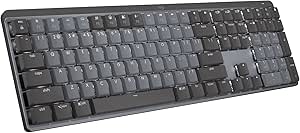
Logitech MX Mechanical Wireless Illuminated Keyboard, Tactile Quiet, Graphite

Apple iPad Air 11-inch (M2), 512GB, Wi-Fi, Space Gray

Samsung 27 Odyssey OLED G5 (G50SF) QHD QD-OLED Gaming Monitor
As an affiliate, we earn on qualifying purchases.
Frequently Asked Questions
How Often Should I Clean My Records?
You should clean your records regularly to guarantee ideal sound quality and long-term record preservation. For most, cleaning frequency depends on how often you play them—typically after every few listens or once a month if stored properly. If you notice dust or static, give them a quick clean. Proper cleaning habits help protect your collection from dirt buildup, scratches, and deterioration, keeping your records in excellent condition for years.
What Tools Are Safest for Cleaning Delicate Records?
You should use soft, microfiber cloths and specialized record cleaning solutions that are gentle on delicate records. Avoid harsh chemicals or abrasive tools that could damage the surface. Opt for gentle cleaning techniques, like light circular motions and minimal pressure, to remove dirt without risking scratches. This approach helps preserve your records’ sound quality and longevity, ensuring they remain in pristine condition for many plays to come.
Can Improper Cleaning Damage My Record Collection?
Yes, improper cleaning can damage your record collection. Many believe in record cleaning myths that suggest harsh chemicals or aggressive scrubbing are safe, but they’re wrong. DIY cleaning tips often lead to scratches or warping if done carelessly. To protect your records, use gentle, suitable cleaning methods, and avoid shortcuts. A small mistake during cleaning can cause lasting harm—so stay cautious and prioritize proper techniques to keep your collection pristine.
Is It Necessary to Clean Records Before Every Play?
You don’t need to clean your records before every play, but occasional cleaning is vital for peak sound quality. Many record cleaning myths suggest frequent cleaning harms vinyl, but gentle maintenance actually protects your collection. Use proper vinyl maintenance tips like using a soft brush or cleaning solution to remove dust and static. Regular cleaning prevents dirt buildup, reduces wear, and guarantees your records stay in great shape longer, enhancing your listening experience.
How Do I Remove Stubborn Dirt Without Damaging the Vinyl?
Think of stubborn dirt as tough weeds in your vinyl garden. To remove it without damage, gently apply a specialized record cleaning solution using a soft microfiber cloth, working in circular motions. Avoid harsh scrubbing. Once clean, slip your record into a protective record sleeve to shield it from future grime. These solutions help loosen debris, making cleaning easier, and the sleeves keep your vinyl pristine and safe from dirt and scratches.
Conclusion
By adopting a consistent record cleaning habit, you protect your collection from dust, dirt, and static that can damage your vinyl over time. Some might think cleaning is tedious or unnecessary, but think of it as preserving your musical memories. Skipping this step risks dulling sound quality and costly repairs down the line. Embrace a simple routine, and enjoy rich, clear music for years to come—your records will thank you.