Acoustic divider panels can’t fix poor office layouts, visual clutter, or space shortages. They reduce echo and absorb some noise but won’t organize furniture or clear clutter that distracts from focus. If your workspace feels cramped or chaotic, these panels won’t improve overall flow or comfort. To truly enhance your environment, you need to look beyond just soundproofing and consider redesigning your space. Discover how addressing layout and organization can make a real difference.

Get the latest gadgets delivered free with Prime
- Fast, free delivery on millions of items
- Prime Video, Amazon Music and more included
- Member-only deals all year
Key Takeaways
- They cannot address fundamental layout flaws like cramped or poorly planned workspaces.
- They do not eliminate visual clutter or organizational chaos in the office.
- They cannot improve space flow or create designated zones for different activities.
- They do not resolve ergonomic or spatial inefficiencies beyond sound absorption.
- They serve as a partial solution, requiring broader redesign efforts for an effective office environment.

Have you ever wondered how to balance openness with privacy in your office space? It’s a common challenge, especially when trying to foster collaboration without sacrificing concentration. Acoustic divider panels can be a helpful tool, but they aren’t a magic fix for every problem caused by a poorly designed layout. If your office is cluttered with visual distractions or suffers from poor sound transmission, these panels can only do so much. While they help to dampen noise and create semi-private zones, they don’t address the root issues of a flawed office design.
First, consider sound transmission. Acoustic panels do reduce echo and absorb some noise, but if your office layout is fundamentally flawed—say, with thin walls or open areas filled with loud machinery—they won’t completely eliminate distracting sounds. For example, if you work near a busy hallway or a noisy break room, the noise will still seep through, making it tough to concentrate. The panels can dampen some background noise, but they can’t block out all the disruptive sounds generated by a poorly thought-out space. Without strategic placement, you might find yourself still battling constant interruptions, which limits the effectiveness of these panels. Additionally, understanding the soundproofing capabilities of different materials can help you choose the most effective solutions. Recognizing the importance of space planning can lead to more lasting improvements beyond just adding panels.
Acoustic panels reduce noise but can’t fix fundamental layout flaws or block all disruptive sounds.
Visual clutter is another critical issue they can’t fix. Office layouts that are overcrowded with furniture, equipment, and personal items can create a chaotic environment that no acoustic panel can resolve. Even if you install panels to block out sound, a cluttered space hampers focus and productivity. Visual clutter distracts your attention and can make the environment seem overwhelming, defeating the purpose of creating a calm, focused workspace. Acoustic panels are primarily designed to manage sound, not to organize or declutter visual elements. So, if your office is visually chaotic, simply adding panels won’t improve the overall atmosphere or help employees stay on task.
Furthermore, a bad layout often stems from poor spatial planning. If workstations are crammed together or placed without considering natural flow, no amount of sound-absorbing panels will make the space functional or comfortable. You need to rethink the entire layout—adding more thoughtful zoning, adequate spacing, and designated quiet zones. Without these fundamental adjustments, acoustic panels become superficial solutions that mask deeper issues. They can be part of a broader strategy but won’t fix fundamental flaws like inadequate space planning or poor ergonomic design. Sometimes, effective office layout design can significantly enhance both sound quality and visual harmony.
In essence, acoustic divider panels are useful tools, but they aren’t a cure-all. To truly improve your office environment, you must address the layout itself. Reducing visual clutter and enhancing sound transmission require a thorough approach—rethinking space, workflow, and organization—rather than relying solely on panels to mask the problems. Additionally, understanding the importance of office design principles can help create a more effective and harmonious workspace.
Products Worth Considering

Jackery Solar Generator 1000 v2 with Two 100W Solar Panels, 1024Wh LiFePO4 Battery

Logitech MX Master 4 Ergonomic Wireless Mouse with Haptic Feedback, Graphite
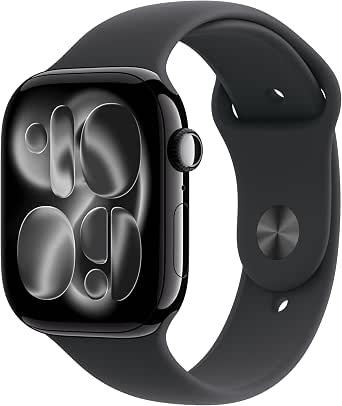
Apple Watch Series 11 GPS + Cellular, 46mm Jet Black Aluminum Case with Black Sport Band (M/L)
As an affiliate, we earn on qualifying purchases.
Frequently Asked Questions
Can Acoustic Panels Improve Employee Productivity in a Poor Layout?
Acoustic panels can help reduce noise distraction in an open floor office, but they won’t fully improve employee productivity if the layout is poor. You might still face issues like lack of privacy, insufficient space, or inefficient traffic flow. While panels dampen sound, a bad office layout requires an extensive redesign to truly boost productivity. Focus on optimizing space, privacy, and workflow alongside installing acoustic solutions for the best results.
Are There Cost-Effective Alternatives to Acoustic Divider Panels?
Yes, there are budget alternatives and DIY solutions to acoustic divider panels. You can use thick curtains, bookshelf walls, or fabric-covered panels to absorb sound and create privacy. Reusing or repurposing furniture, like installing pegboards or fabric dividers, also helps cut costs. These options are cost-effective and customizable, making them suitable for improving acoustics without a hefty investment, especially if you’re willing to get creative and DIY.
How Do Lighting and Furniture Affect Office Acoustics?
Lighting ambiance and furniture ergonomics profoundly influence office acoustics. Poor lighting can cause distractions, affecting your focus, while harsh or uneven illumination amplifies noise levels. Furniture that isn’t ergonomically designed can create echoes or muffled sounds, disrupting your concentration. By optimizing lighting ambiance for comfort and choosing furniture with sound-absorbing qualities, you can improve acoustics naturally, making your workspace more functional without solely relying on acoustic divider panels.
What Role Does Office Design Play in Employee Collaboration?
Think of office design as the stage where your team’s collaboration unfolds. When you prioritize sleek office aesthetics and thoughtful space planning, you set the scene for seamless teamwork. Open layouts encourage spontaneous ideas, while private nooks protect employee privacy for focus and confidential chats. You shape an environment that either sparks creativity or stifles it, making your office layout a essential tool in fostering effective collaboration.
Can Acoustic Panels Replace Proper Office Space Planning?
Acoustic panels can’t replace proper office space planning because soundproofing myths often lead you to believe they’re a complete fix. While they improve noise issues, they don’t address layout problems that hinder collaboration or flow. Plus, you need to take into account aesthetic considerations; poorly chosen panels can clash with your design. For a truly functional office, combine thoughtful space planning with acoustic solutions rather than relying solely on panels.
Conclusion
Even the sleekest acoustic divider panels are like band-aids on a sinking ship—they can’t fix a fundamentally flawed office layout. If your workspace feels more like a maze than a place to innovate, no amount of soundproofing will silence the chaos. To truly transform your office into a harmonious haven, you need to reimagine the entire blueprint. Otherwise, you’re just putting a stylish hat on a head that’s still buried in disorder.