

To analyze a property portfolio like an investor, focus on market trends, such as property prices, local economic conditions, and new developments that can impact value. Review financial metrics, including rental income, expenses, and cash flow, to identify underperformers or opportunities. Evaluate how leverage and financing options influence profitability and consider diversification to reduce risks. By understanding these elements, you’ll better spot future growth areas and make smarter investment decisions—if you keep exploring, you’ll gain even deeper insights.
Key Takeaways
- Analyze property performance metrics, including rental income, expenses, and net cash flow.
- Assess market trends and economic factors influencing each property’s value and growth potential.
- Review financing details like mortgage rates, leverage, and repayment terms affecting profitability.
- Evaluate diversification across locations and property types to manage risk and stabilize income.
- Connect financial data with market insights to identify future growth opportunities and strategic moves.

Ever wondered how to make sense of a property portfolio? When you’re trying to evaluate multiple properties, it’s vital to look beyond just the surface. You need to understand the market trends that influence property values and perform sound financial analysis to determine each investment’s true potential. Recognizing these elements helps you identify which properties are likely to grow in value, generate steady income, or require attention for improvement.
Start by examining the market trends surrounding each property. Are property prices rising or falling in that area? What are the local economic conditions? Is there new infrastructure, business development, or population growth that could boost property values? Staying updated on these trends allows you to anticipate future performance and make informed decisions. It’s not enough to look at current prices; you need to understand the trajectory of the market to gauge whether a property is a good buy or if it’s at risk of depreciation.
Next, focus on financial analysis. Break down each property’s income and expenses meticulously. Look at rental yields, vacancy rates, maintenance costs, and property taxes. Calculate your net operating income to see how much cash flow each property generates. Compare these figures across your portfolio to identify underperformers or hidden opportunities. You should also evaluate the capital appreciation potential—how much the property’s value is likely to increase over time based on market conditions and property-specific factors. Additionally, understanding the market trends helps you gauge whether a property is positioned for future growth.
Another critical aspect is evaluating leverage and financing terms. Understanding your mortgage rates, loan-to-value ratios, and repayment schedules influences your overall profitability. If you’re using debt, ensure that the cash flow comfortably covers mortgage payments, and consider how changes in interest rates might impact your returns.
Lastly, look at the diversification of your portfolio. Does it include different property types and locations? Diversification can protect you against localized downturns and provide multiple streams of income. By analyzing these elements, you gain a clearer picture of your portfolio’s strengths and weaknesses. This strategic insight lets you decide when to buy, sell, or hold properties.
In essence, reading a property portfolio as an investor involves a combination of understanding market trends and conducting thorough financial analysis. It’s about connecting the dots between current data and future potential, enabling you to make smarter, more confident investment decisions.
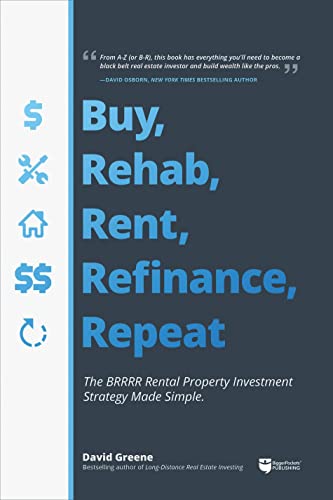
Buy, Rehab, Rent, Refinance, Repeat: The BRRRR Rental Property Investment Strategy Made Simple
As an affiliate, we earn on qualifying purchases.
As an affiliate, we earn on qualifying purchases.
Frequently Asked Questions
How Do I Evaluate a Property’s Cash Flow Potential?
To evaluate a property’s cash flow potential, start by analyzing current rent income versus expenses, including mortgage, taxes, and maintenance. Consider market trends—are rents rising or falling? Understand tenant demographics to gauge stability and demand. Look for vacancies and lease terms, then project future income. Positive cash flow depends on sustainable rent levels, low vacancy rates, and manageable expenses, giving you a clear picture of potential profitability.
What Metrics Indicate a High-Performing Property Portfolio?
You can tell a high-performing property portfolio by analyzing market trends and tenant demographics. Look for steady rental income growth, low vacancy rates, and properties in areas with strong economic fundamentals. Pay attention to tenant profiles—diverse, long-term tenants indicate stability. Consistent appreciation and positive cash flow also signal good performance. These metrics help you gauge whether the portfolio adapts well to changing market conditions and attracts reliable tenants.
How Can I Identify Hidden Risks in a Portfolio?
To spot hidden risks, you should analyze market trends that might impact property values or rental demand, and review legal considerations like zoning laws, lease agreements, and title issues. Stay updated on local economic shifts that could affect your investments. Conduct thorough inspections, verify permits, and consult legal experts when needed. This proactive approach helps you uncover potential problems before they escalate, safeguarding your portfolio’s long-term stability.
What Are Common Pitfalls When Analyzing Property Investments?
Imagine walking through a bustling marketplace, but overlooking market trends can leave you blind to shifts that impact your investments. Common pitfalls include ignoring evolving market dynamics and overlooking diverse financing options, which can strain cash flow. Relying solely on past performance may blind you to future risks. Always analyze current market trends, consider flexible financing options, and avoid complacency to make smarter, more resilient property investment decisions.
How Often Should I Review and Update My Portfolio Analysis?
You should review and update your portfolio analysis quarterly or at least twice a year. Stay aware of market trends to identify opportunities or risks, and consider legal considerations that might affect your investments. Regular reviews help you adapt to economic shifts, property value changes, or new regulations. By doing so, you guarantee your portfolio remains aligned with your financial goals and minimizes potential pitfalls.

Calculated Industries 3405 Real Estate Master IIIx Residential Real Estate Finance Calculator | Clearly-Labeled Function Keys | Simplest Operation | Solves Payments, Amortizations, ARMs, Combos, More
- Dedicated Function Keys: Quick access to financial solutions
- Instant Problem Solving: Quickly answer client finance questions
- Real Estate Finance Terms: Labeled keys for easy mortgage calculations
As an affiliate, we earn on qualifying purchases.
As an affiliate, we earn on qualifying purchases.
Conclusion
By mastering how to read a property portfolio, you discover the secrets to smarter investing. You’ll spot golden opportunities hidden within the numbers and avoid costly pitfalls. Think of it as your ultimate blueprint for financial success—more powerful than a rocket ship! Keep practicing, stay curious, and soon you’ll be steering property investments with the confidence of a seasoned pro. Your property empire awaits—dive in and make it happen!

AI-Powered Real Estate Investing: The 2026 Guide to AI Tools, Prompt Engineering & Automated Systems for Building a Million-Dollar Property Portfolio
As an affiliate, we earn on qualifying purchases.
As an affiliate, we earn on qualifying purchases.

Rental property analysis made simple: How to buy rental properties (Real Estate Protocol Series)
As an affiliate, we earn on qualifying purchases.
As an affiliate, we earn on qualifying purchases.