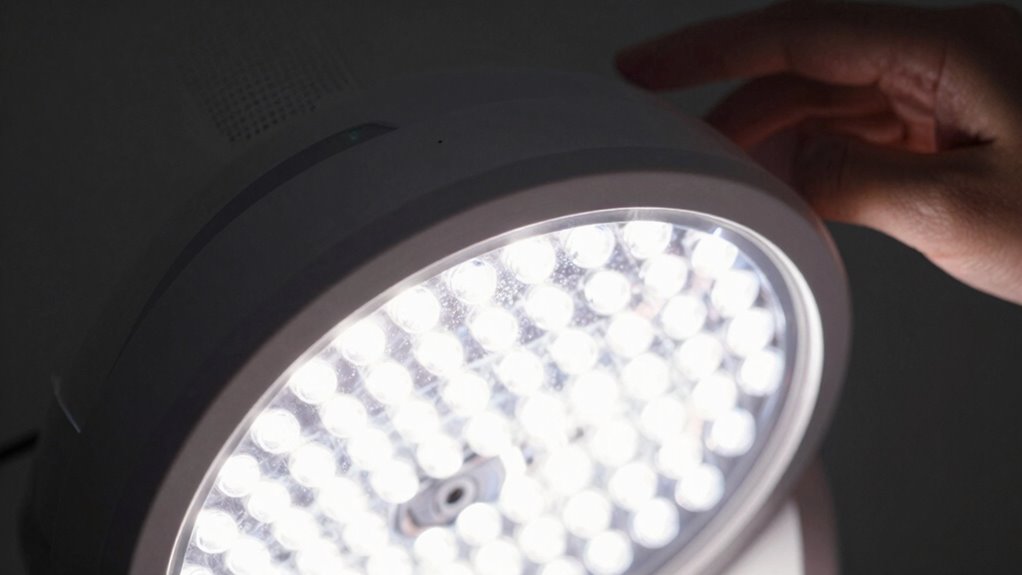

The main mistake that makes you blame your light therapy device is poor placement and incorrect settings. If your lamp is too far, too high, or too low, it won’t give the right exposure, leading to frustration. Sitting off-center or staring directly at the light can cause eye strain and reduce effectiveness. Ensuring proper distance, angle, and color temperature is key. Keep these factors in mind, and you’ll discover how to get the best results.

Get the latest gadgets delivered free — and shop member deals
- Fast, free delivery on millions of items
- Access to Prime Big Deal Days deals on October 6–7
- Prime Video, Amazon Music and more included
Key Takeaways
- Incorrect device placement, such as too far or too high, reduces light effectiveness and leads to user frustration.
- Using a light with an improper color temperature (not mimicking daylight) diminishes therapeutic results.
- Sitting directly in front of the lamp or staring causes eye strain, making users think the device is ineffective.
- Inadequate light intensity or session timing can result in poor mood regulation, causing blame on the device.
- Neglecting proper setup factors, like indirect light entry and correct spectrum, hampers benefits and fosters device dissatisfaction.
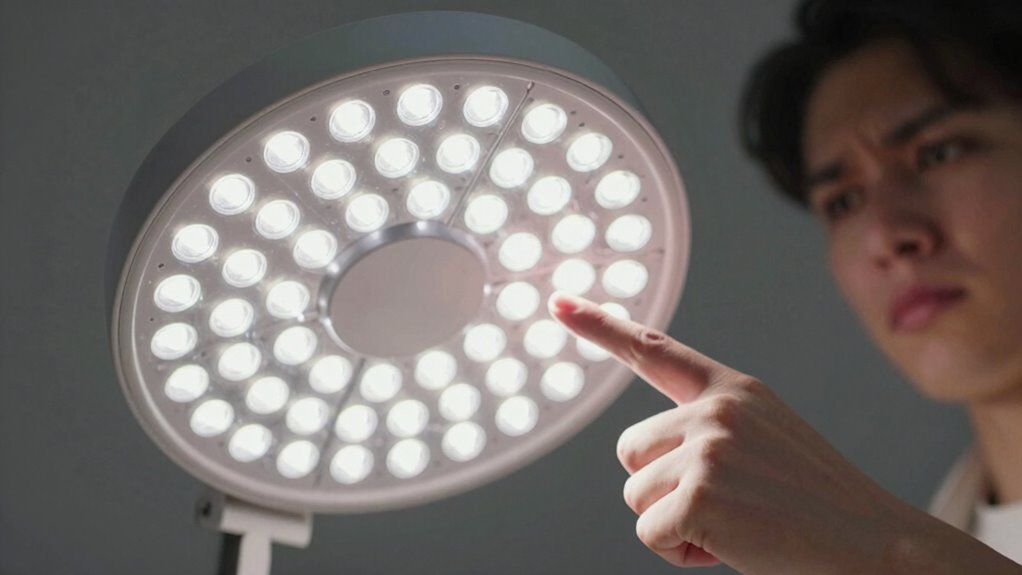
Light therapy can be an effective way to boost your mood and regulate your sleep cycle, but making a common mistake can undermine its benefits. One of the most frequent errors people make is not paying attention to the device’s placement. If you set up your light therapy lamp too far away, too high, or too low, you might not get the full advantage of the treatment, leading to frustration and blame on the device itself. Proper device placement is essential because the light needs to reach your eyes at the right angle and distance to be effective. Ideally, you should position the device about 16 to 24 inches away, slightly above your eye level, so that the light enters your eyes indirectly without causing discomfort. Sitting directly in front of the lamp or staring at it directly can cause eye strain or fatigue, reducing its effectiveness and making you think the device isn’t working.
Another key factor often overlooked is the color temperature of the light. Many people assume that any bright light will do the trick, but the color temperature greatly influences how well the therapy works. Light therapy devices emit light at specific color temperatures, usually around 5,000 to 6,500 Kelvin, mimicking natural daylight. If you choose a device with a lower color temperature, the light might appear too warm or yellowish, which isn’t as effective for mood regulation. Conversely, a device with a higher color temperature produces a bright, bluish-white light that closely resembles natural daylight, providing the stimulation your brain needs. If you’re using a device with an incorrect or subpar color temperature, you might notice little to no improvement, leading you to believe the device is faulty or ineffective.
Many users make the mistake of not adjusting their device’s placement or choosing the right color temperature, resulting in poor results and subsequent disappointment. Instead of blaming the device, it’s better to review these factors. Make sure your device is positioned correctly, at the appropriate distance and angle, and verify that it emits light at the ideal color temperature. Understanding light spectrum and how it impacts mood and alertness can help you optimize your setup. Additionally, paying attention to light intensity can ensure you’re receiving the proper amount of stimulation for effective therapy. It’s also helpful to be aware of recommended usage times, as timing can influence how effectively you experience benefits from light therapy. Taking these steps can significantly improve your experience and help you see the benefits of light therapy more clearly. Remember that consistency matters, and giving your setup the right attention can make all the difference in achieving the desired mood boost and sleep regulation. When you align your device placement and color temperature properly, you’re more likely to experience the positive effects without unnecessary frustration.
light therapy lamp proper placement
As an affiliate, we earn on qualifying purchases.
As an affiliate, we earn on qualifying purchases.
Frequently Asked Questions
How Long Should I Use the Light Therapy Device Daily?
You should use your light therapy device for about 20 to 30 minutes daily, following the recommended usage frequency. Always prioritize device safety by avoiding overuse, which can cause eye strain or skin irritation. Stick to the manufacturer’s guidelines and consult a healthcare professional if you’re unsure. Consistent, moderate sessions help guarantee effective results without risking adverse effects, keeping your experience safe and beneficial.
Can Incorrect Positioning Affect the Therapy’s Effectiveness?
Incorrect positioning can considerably impact your therapy’s effectiveness, especially since studies show that proper light exposure boosts mood by up to 60%. If your device isn’t calibrated correctly or your user posture is off, you might not get the full benefits. Make certain the light is directed at your eyes at the right distance, and maintain good posture to guarantee ideal results from your light therapy sessions.
Are There Specific Skin Types That Respond Better to Light Therapy?
Yes, certain skin types respond better to light therapy. If you have sensitive skin or pigmentation issues, you might see more noticeable results, but you should start with lower settings to prevent irritation. Light therapy can improve skin tone and reduce pigmentation, but overuse or incorrect settings could cause discomfort. Always consult with a dermatologist to tailor the treatment for your skin sensitivity and pigmentation concerns, ensuring safe and effective results.
What Are Common Signs of Device Malfunction or Defect?
Did you know that roughly 10% of light therapy devices experience malfunctions? You might notice signs like inconsistent light output, dimming, or flickering, which point to device calibration issues or power problems. If the device suddenly stops working or the light intensity drops unexpectedly, it’s likely a defect. Regularly check connections, guarantee proper calibration, and avoid power issues to maintain peak performance and prevent frustration.
How Do I Troubleshoot if the Device Isn’T Working Properly?
If your device isn’t working properly, start troubleshooting by checking the power connection to confirm it’s plugged in securely. Next, verify if the device is calibrated correctly, following the manufacturer’s instructions. If it still doesn’t work, try resetting it or testing it in a different outlet. These steps help identify if the issue stems from calibration errors or power connection issues before considering further repairs.
best light therapy device with adjustable color temperature
As an affiliate, we earn on qualifying purchases.
As an affiliate, we earn on qualifying purchases.
Conclusion
To avoid blaming your device, remember that even the wisest of sages, like Aristotle, knew the importance of proper use. Don’t fall into the trap of overuse or improper timing—think of it as a modern-day alchemy. When you follow the instructions carefully and give your light therapy device the respect it deserves, you’ll activate its full potential. So, be patient, stay consistent, and let this ancient remedy work its magic—no more blaming the device!
light therapy lamp 16 to 24 inches
As an affiliate, we earn on qualifying purchases.
As an affiliate, we earn on qualifying purchases.
As an affiliate, we earn on qualifying purchases.
Evergreen bestsellers Picks
bestsellers
As an affiliate, we earn on qualifying purchases.