To verify if your cookware is compatible with an induction cooktop, perform the magnet test. Place a strong magnet on the bottom of each pot or pan—if it sticks firmly, it’s likely induction-ready. Confirm the surface is clean and test multiple spots for accuracy. Keep in mind, other signs like labels and construction help, but the magnet test is quick and cost-effective. Keep going to find out more useful tips and tricks.
Key Takeaways
- Use a strong magnet to test cookware; if it sticks firmly, it’s likely compatible with induction cooktops.
- Check multiple spots on the base to ensure consistent magnetic attraction for reliable results.
- Visual cues like labels, flat bottoms, and weight can also indicate ferromagnetic materials suitable for induction.
- Combine the magnet test with manufacturer info and heat testing for the most accurate compatibility confirmation.
- Proper testing prevents damage, improves safety, and saves money by avoiding incompatible cookware purchases.
Why You Should Check Your Cookware Before Buying an Induction Stove
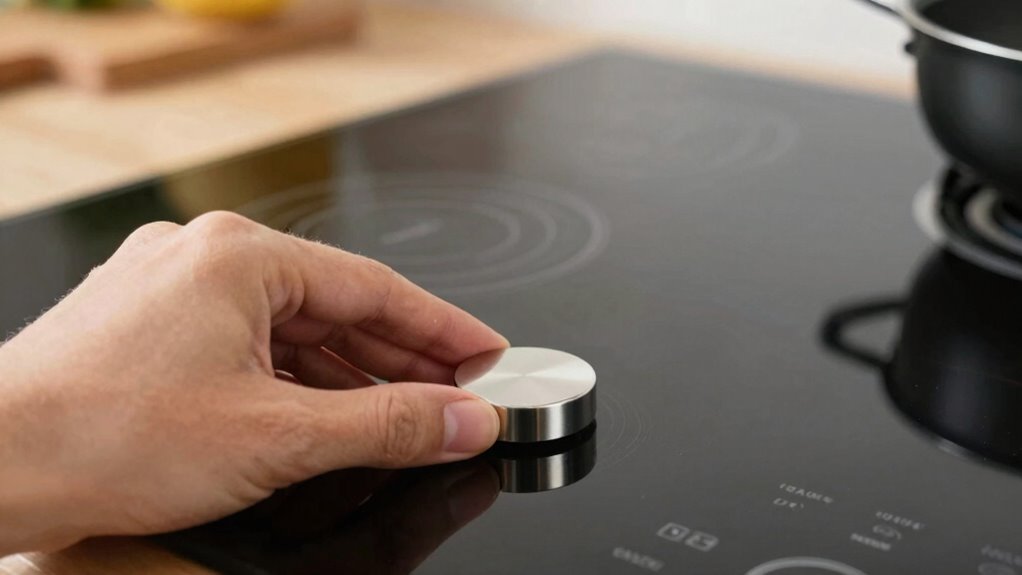
Before purchasing an induction stove, it is essential to verify that your cookware is compatible. Using the right pots and pans ensures safe cooking, preventing accidents caused by unstable or incompatible materials. If your cookware isn’t induction-ready, it can slip or unevenly heat, compromising cooking safety. Additionally, choosing compatible cookware enhances your kitchen aesthetics, giving it a sleek, modern look. Matching pots with the stove creates a cohesive, tidy appearance that makes your kitchen more inviting. Investing in suitable cookware also avoids the frustration of wasted money and time on items that won’t work. By checking compatibility beforehand, you guarantee a safer, more attractive cooking environment, making your kitchen both functional and stylish. Ensuring induction-compatible cookware is readily available can also streamline your cooking process and reduce kitchen clutter.
How the Magnet Test Shows if Your Pots Are Induction-Ready
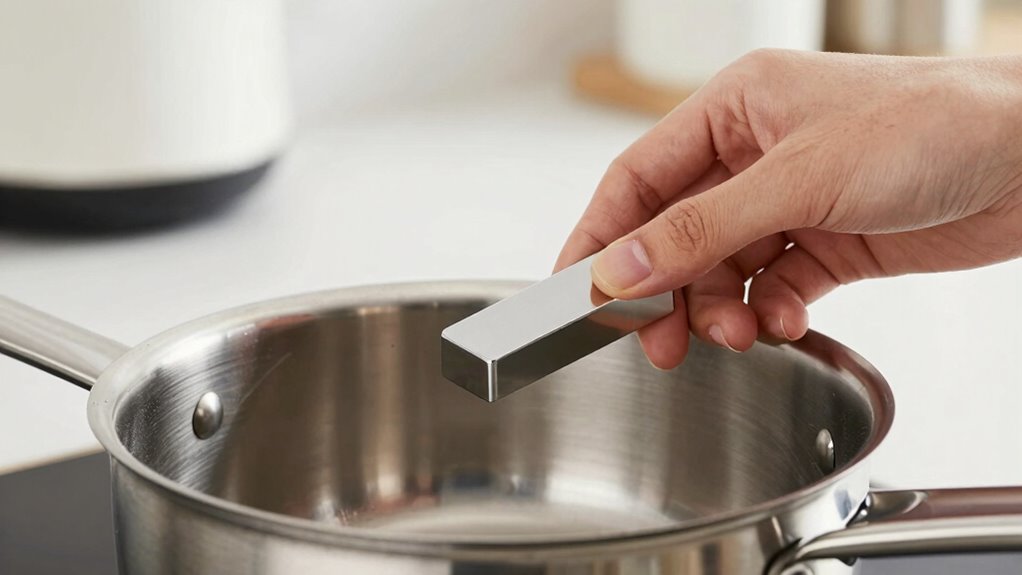
The simplest way to determine if your cookware is induction-compatible is by performing a magnet test. If a magnet sticks firmly to the bottom of your pot or pan, it indicates a ferromagnetic material, which is essential for induction cooking. This test helps you avoid purchasing cookware that’s incompatible, saving you money and frustration. When your pots are induction-ready, they tend to be durable and resistant to wear, maintaining their performance over time. Proper cookware materials play a significant role in the effectiveness of induction cooking. Conducting a Gold IRA market review can help you understand the best options for investing in precious metals, which is a different but equally important aspect of financial planning. Additionally, choosing suitable cookware enhances your kitchen aesthetics, giving it a sleek, modern look. A magnet test is quick, simple, and effective, ensuring your cookware not only works efficiently but also complements your kitchen’s style. It’s the most straightforward way to guarantee your pots are suited for induction cooktops. Knowing the benefits of induction cooking can motivate you to ensure your cookware is compatible before making a purchase or upgrade. Moreover, many outdoor cooking enthusiasts appreciate the durability and reliability of induction-compatible cookware for versatile use.
How to Test Your Pots and Pans With a Magnet (Simple Steps)
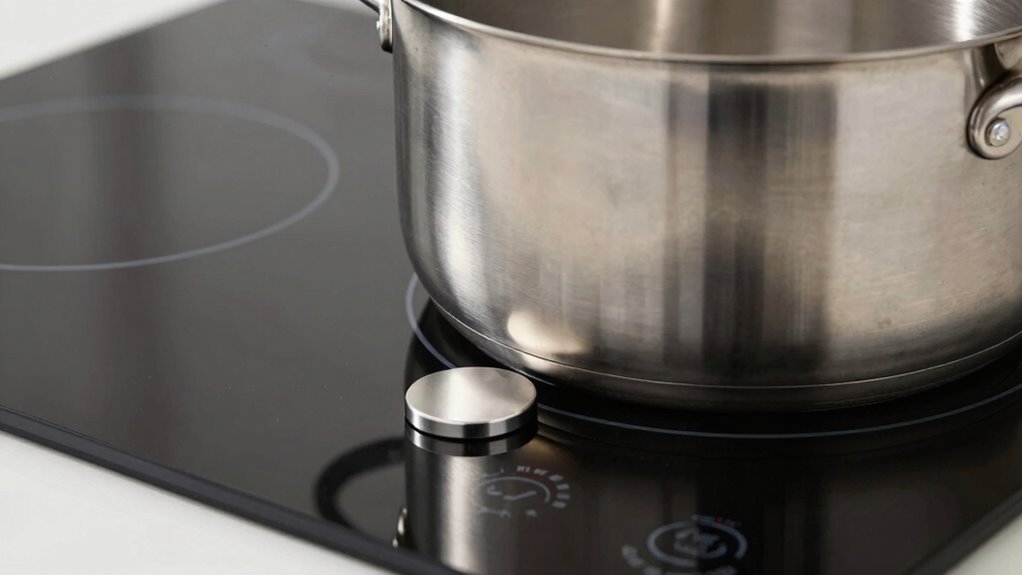
Testing your pots and pans with a magnet is quick and easy. Simply place a magnet on the bottom of each piece. If it sticks firmly, your cookware is likely compatible with induction cooktops. This simple step helps you avoid wasting money on incompatible cookware, regardless of its aesthetics or brand reputation. Keep in mind, even if a pan looks stylish or comes from a reputable brand, it needs to pass the magnet test to work on induction. For best results, use a strong, flat magnet and test multiple pieces to ensure consistency. This quick check saves you time and hassle, ensuring your cookware is induction-ready before you start cooking. It’s a simple, cost-effective way to verify compatibility without any guesswork.
Which Cookware Passes or Fails the Magnet Test
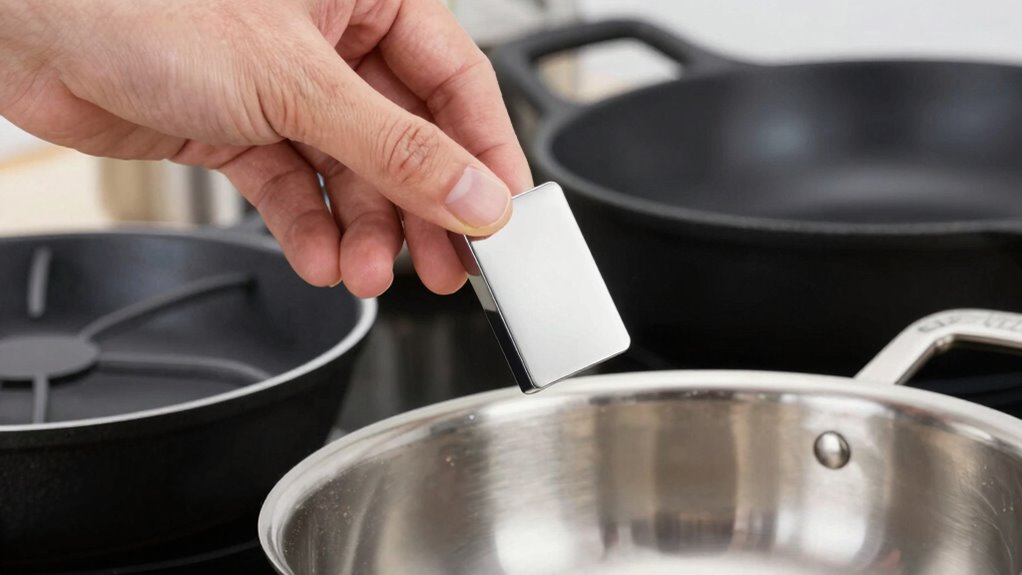
To determine if your cookware works with an induction cooktop, you need to understand which materials are magnetic. Using a simple magnet test can quickly show if your pots and pans pass or fail, but knowing proper testing techniques makes it more accurate. Keep these tips in mind to confidently identify compatible cookware. Additionally, Free Floating elements in cookware design can influence how well it performs on induction surfaces.
Magnetic Material Requirements
Magnetic material requirements determine whether your cookware will work on an induction cooktop. For cookware compatibility, the material must be magnetic, meaning it contains ferromagnetic metals like iron or certain stainless steels. If your cookware is made from aluminum, copper, or glass, it likely won’t work unless it has a magnetic layer or base added. To ensure proper operation, you need cookware with a magnetic bottom that can generate the necessary electromagnetic field. When testing, a simple magnet should stick firmly to the bottom of the cookware. If it does, it indicates the presence of magnetic materials compatible with induction cooking. Without these magnetic materials, your cookware won’t heat efficiently on an induction stove. Additionally, magnetic testing can quickly verify if your existing cookware meets these requirements.
Testing Techniques and Tips
One of the simplest ways to determine if your cookware is suitable for induction cooking is by performing the magnet test. To do this effectively, consider these tips:
- Use a strong, flat magnet and place it on the bottom of your cookware.
- Check if the magnet sticks firmly; a loose fit means it likely won’t work well.
- Test multiple spots to ensure consistent magnetic attraction across the base.
- Regularly inspect your cookware for warping or damage that could affect performance and safety.
- Keep in mind that induction-compatible cookware typically features a magnetic layer, making the magnet test a quick and reliable method.
- Remember that wave and wind patterns can sometimes impact the magnetic properties of cookware, so thorough testing is advised.
Common Mistakes When Testing Cookware With a Magnet
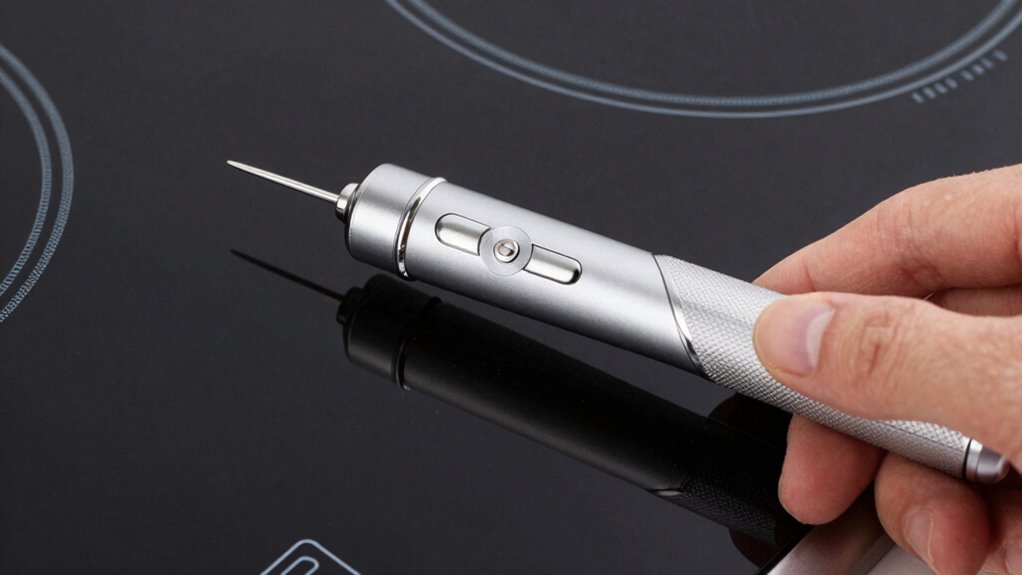
One common mistake is not considering the strength of the magnet you’re using, which can lead to false results. Make sure the cookware’s surface is clean, as dirt or debris can interfere with the magnet’s grip. Also, verify you place the magnet correctly on the bottom of the pan for an accurate test. Additionally, understanding appliance compatibility can help prevent issues with induction cooktops and ensure safe operation. Using a magnet with insufficient magnetic strength may give you misleading indications of compatibility. To improve accuracy, it’s important to recognize the role of cookware materials in induction compatibility.
Magnetic Strength Matters
While testing your cookware with a magnet might seem straightforward, many people overlook how important the magnet’s strength really is. A weak magnet might give false negatives, leading you to discard compatible pots. To guarantee accurate material testing, use a strong, neodymium magnet rather than a flimsy one. Here are common mistakes to avoid:
- Relying on a magnet that’s too weak to detect magnetic properties.
- Testing with a magnet that’s not firmly attached or held properly.
- Assuming all magnetic cookware is induction-compatible without testing.
- Ignoring variations in magnet strength that can affect test results.
Surface Cleanliness Impacts Test
Even if your magnet is strong enough to detect magnetic properties, dirt, grease, or residue on the cookware’s surface can interfere with the test. Surface cleanliness is essential because debris creates magnetic interference, making it difficult for the magnet to accurately stick to the cookware. If the surface isn’t clean, you might get a false negative, thinking the cookware isn’t compatible when it actually is. Before testing, wipe the surface thoroughly to remove any grease or dirt. A clean surface ensures the magnet makes direct contact, providing a reliable indication of magnetic compatibility. Remember, even small amounts of residue can impact the test results, so take the time to clean your cookware properly for the most accurate outcome. Additionally, understanding induction-compatible materials can help you select the right cookware from the start, saving you time and money. Proper surface cleaning techniques can make all the difference in obtaining an accurate test result, especially since surface contamination can lead to misleading outcomes. Using a proper cleaning method will help ensure that no hidden residues affect your magnet test. Recognizing the importance of cleaning surface residues can further improve the accuracy of your compatibility check.
Correct Magnet Placement
Proper magnet placement is crucial for an accurate test; placing the magnet incorrectly can lead to misleading results. When testing your cookware, correct magnet positioning ensures you get precise feedback about compatibility. Here are common mistakes to avoid:
- Placing the magnet too far from the base of the cookware.
- Positioning the magnet only on the handle or sides instead of the bottom.
- Using a magnet that’s too weak or not strong enough for testing.
- Moving the magnet around too much during the test, causing inconsistent contact.
For best results, keep the magnet steady and centered on the bottom of the pan. Proper magnet placement ensures a reliable test, helping you avoid costly mistakes and confirming induction compatibility effectively.
Alternative Ways to Check if Your Cookware Works on Induction

Wondering if your cookware is compatible with induction? One alternative way to check is by observing its weight and construction. Induction-compatible pots and pans typically have good cookware durability, meaning they feel solid and sturdy. If your cookware is lightweight or feels flimsy, it might not work well on an induction stove. You can also examine the material safety by looking for labels or markings indicating magnetic properties, such as a ferromagnetic base. Some cookware brands include icons or symbols that verify induction compatibility. Additionally, visual inspection for a flat, smooth bottom can be helpful, as warped or uneven bases may not work efficiently. Recognizing magnetic properties and induction compatibility indicators can further assist you in confirming compatibility with induction cookware. Being aware of base flatness and consistent construction also contributes to reliable performance. Checking the magnetic attraction of your cookware with a magnet is a simple way to verify if it will work on an induction stove. You can further enhance your assessment by ensuring the material composition matches the requirements for induction compatibility. These simple checks help you avoid wasting money on unsuitable cookware and ensure safe, effective cooking on your induction stove.
How to Use Non-Induction Cookware on Your Induction Stove

To use non-induction cookware on your stove, start by checking if the material is compatible; ferrous metals like cast iron or stainless steel work best. Make sure your pans have flat bottoms to guarantee good contact with the induction surface. Properly selecting and preparing your cookware helps you get the most efficient heating, especially when considering cookware compatibility to avoid damage or ineffective heating. Additionally, understanding the materials used in your cookware can help determine if it will work effectively on an induction stove. Ensuring your cookware has the right magnetic properties will optimize performance and safety during cooking.
Compatible Cookware Materials
While most induction stoves require ferromagnetic cookware, you can still use non-induction pots and pans by adding a compatible interface. This approach works well with various materials, including ceramic cookware and glass pots. To maximize efficiency, consider these options:
- Use a magnetic induction disk or interface plate that sits between your non-induction cookware and the stove.
- Ensure the disk is made of ferromagnetic material to trigger the induction process.
- Confirm that your ceramic cookware or glass pots are compatible with the disk, avoiding damage.
- Always check the manufacturer’s instructions for safe, effective use.
This method allows you to enjoy your favorite non-induction cookware while benefiting from induction stove efficiency and speed.
Using Flat-Bottomed Pans
Using flat-bottomed pans on your induction stove is straightforward when you employ a compatible interface or magnetic disk. Flat bottomed pans ensure good contact with the cooktop, which is essential for efficient heat transfer. To maximize cookware compatibility, verify that your pans are magnetic by performing a simple magnet test—if the magnet sticks firmly to the bottom, your cookware should work well. If not, consider using a magnetic disk or induction interface disk that acts as a bridge between non-induction cookware and the stove. This setup allows you to use your existing flat-bottomed pans without sacrificing performance. Proper cookware compatibility guarantees even heating and safe operation, making your induction cooking experience smooth and cost-effective.
Signs Your Cookware Isn’t Suitable for Induction Cooking

If your cookware isn’t compatible with induction cooking, it won’t heat properly or may not heat at all. Signs include:
- The cookware doesn’t stick to a magnet, indicating it lacks magnetic material.
- It doesn’t heat up on the induction cooktop, even after confirming the power is on.
- The cookware’s aesthetics are outdated or mismatched with your modern setup, hinting it may be old or non-induction compatible.
- You notice a poor brand reputation or inconsistent performance over time.
If your cookware fails these tests, it’s likely unsuitable for induction. Choosing cookware with good brand reputation and sleek aesthetics guarantees both reliable performance and visual harmony in your kitchen. Save money by avoiding incompatible pots and pans early on.
Tips for Upgrading to Induction-Compatible Cookware on a Budget

Upgrading to induction-compatible cookware doesn’t have to break the bank. You can find affordable options that balance functionality and style without sacrificing cookware aesthetics. Start by exploring secondhand stores or online marketplaces for reputable brands with strong reputations. These sources often offer high-quality, budget-friendly pieces that work well on induction cooktops.
Here’s a quick comparison:
| Brand Reputation | Cost Effectiveness |
|---|---|
| Well-known brands (e.g., T-fal, Cuisinart) | Moderate to low, depending on the item |
| Lesser-known brands | Usually cheaper but verify quality |
| Used cookware | Cost-saving and environmentally friendly |
| Discount stores | Good for basic, stylish options |
| Online reviews | Ensure durability and performance |
Focus on durability and style, and you’ll save money while upgrading smartly.
What to Do If Your Magnet Test Is Unclear or Inconclusive
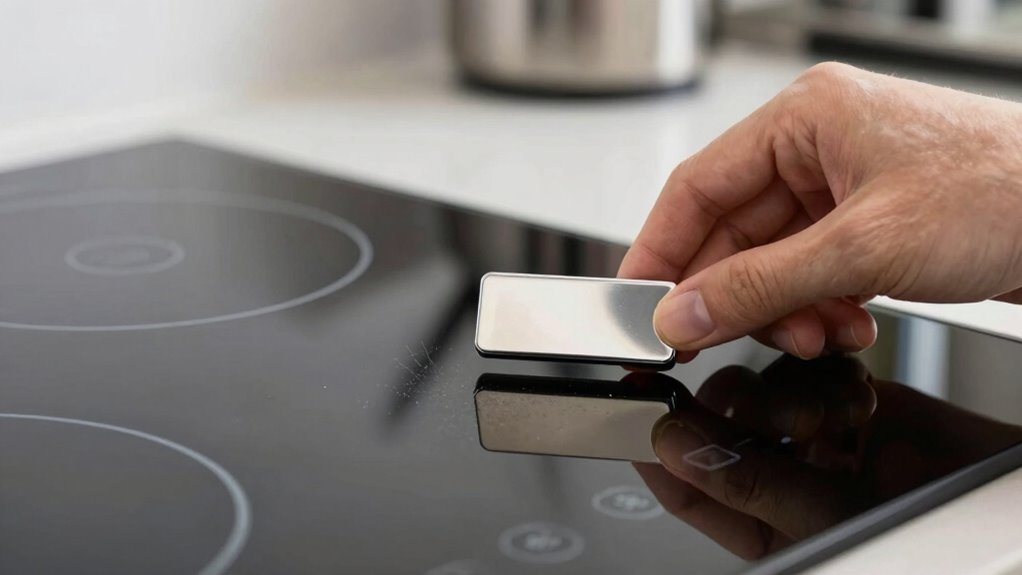
When the magnet test yields an unclear or inconclusive result, it’s important to explore alternative methods to confirm your cookware’s compatibility with induction cooktops. Relying solely on magnet strength isn’t always enough, especially if your cookware is lightweight or your magnet is weak. Here are steps to take:
- Check the cookware’s base material—look for labels or manufacturer info confirming ferromagnetic properties.
- Test with a stronger magnet—use a more powerful magnet to see if it adheres better.
- Assess cookware weight—heavier pots and pans often indicate a ferromagnetic core.
- Conduct a heat test—place cookware on the cooktop; if it heats evenly and quickly, it’s likely compatible.
These methods help guarantee you don’t rely solely on magnet strength, avoiding costly mistakes.
Frequently Asked Questions
Can Different Magnet Strengths Affect the Test Results?
Yes, different magnetic strengths can affect the test accuracy. If your magnet is too weak, it might not stick to compatible cookware, leading you to wrongly assume it’s incompatible. Conversely, a very strong magnet can stick through non-compatible materials, giving a false positive. To guarantee reliable results, use a moderate, well-made magnet. This helps you accurately determine induction compatibility without costly trial and error.
Does Cookware Material Impact the Magnet’s Ability to Detect Induction Compatibility?
Yes, cookware material impacts the magnet’s ability to detect induction compatibility. If your cookware has a ferromagnetic base, the magnet will stick strongly, indicating good magnet sensitivity. Non-magnetic materials like aluminum or copper won’t attract the magnet, showing they aren’t suitable for induction cooking. So, understanding cookware composition helps you efficiently use the magnet test to determine compatibility, saving you time and money on incompatible pots and pans.
How Often Should I Retest My Cookware for Induction Suitability?
Think of testing your cookware for induction compatibility as watering a garden—you want to do it regularly to keep everything thriving. You should retest your cookware every 6 to 12 months, especially if you notice it’s showing signs of wear or if you’ve had a cookware lifespan extension. Frequent testing guarantees your pots and pans stay compatible, saving you money and hassle in the long run.
Are There Specific Brands Known for Reliable Induction-Compatible Cookware?
You should consider trusted brands like All-Clad, T-fal, and Cuisinart for reliable induction-compatible cookware. These brands have a strong reputation for durability and consistent performance, ensuring your investment lasts. Their cookware is designed with high-quality materials that work well on induction cooktops. By choosing recognized brands, you reduce the risk of compatibility issues and enjoy peace of mind knowing your cookware will perform reliably over time.
Can I Use a Different Magnet Type for More Accurate Testing?
You can try different magnet types for a more accurate test, but it’s best to focus on magnet strength and magnetic properties. Stronger magnets with consistent magnetic properties will give you clearer results. Use a fridge magnet or a magnet designed for testing magnetic fields, as weaker or inconsistent magnets may not precisely indicate compatibility. This approach helps ensure your cookware works efficiently on induction cooktops, saving you money and frustration.
Conclusion
Before investing in an induction cooktop, always check your cookware with the magnet test—it’s a simple way to save money and prevent frustration. Did you know that over 60% of households are unaware their cookware isn’t induction-compatible? By following the proper testing steps, you can guarantee your pots and pans work efficiently, making your cooking experience smoother and more cost-effective. Don’t overlook this quick check—your wallet and kitchen will thank you!