
Most document security failures happen because of poor storage practices rather than sophisticated hacking. If you leave physical files unattended or don’t control access, you increase your risk of theft or tampering. Digital data is vulnerable if it’s not encrypted or monitored properly. Physical security is often overlooked, making it the weak link. To protect your information effectively, you need to understand how storage issues can lead to breaches and how to fix them.
Key Takeaways
- Many security breaches result from poor storage practices rather than sophisticated hacking techniques.
- Physical access to storage areas can lead to document theft or tampering, often overlooked in security plans.
- Lack of encryption on stored digital data makes it vulnerable, even if digital defenses are strong.
- Unattended physical files and inadequate monitoring increase the risk of unauthorized access or theft.
- Implementing comprehensive storage security protocols is crucial to prevent breaches from occurring.
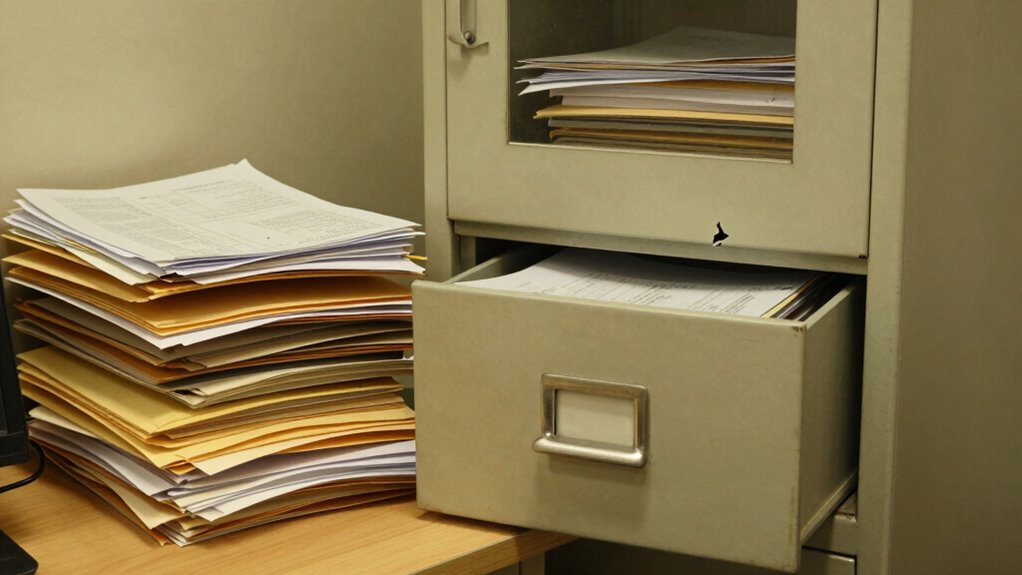
Have you ever wondered why many security breaches happen despite strong defenses? It often comes down to how and where you store sensitive documents. The truth is, many security failures originate not from sophisticated hacking techniques but from vulnerabilities in storage practices. When documents aren’t properly secured, cybercriminals or even internal bad actors can exploit physical access or weak encryption methods to compromise your data.
Physical access remains one of the most overlooked risks. If someone can walk into your office or data center and gain unrestricted access to your storage areas, they can easily steal or tamper with documents. It’s not just about preventing external threats; internal personnel might also pose risks if access isn’t tightly controlled. Locking filing cabinets, server rooms, and storage closets, along with implementing visitor controls, can drastically reduce this threat. Relying solely on digital defenses leaves a blind spot—physical security often remains the weakest link.
Meanwhile, encryption methods are vital when it comes to protecting stored data. If your documents are stored digitally, encrypting them ensures that even if someone gains access, they can’t read or use the information without the decryption key. Too often, organizations overlook proper encryption or rely on outdated methods, leaving sensitive data exposed. Strong encryption algorithms, like AES (Advanced Encryption Standard), should be standard practice for storing confidential information. Without these safeguards, data stored on servers, portable drives, or cloud services becomes vulnerable to theft or unauthorized access.
Additionally, poor storage practices, such as leaving physical files unattended or failing to monitor digital access logs, heighten the risk of breaches. When you don’t regularly audit who’s accessing your stored documents, you may be unaware of unauthorized activity. Implementing storage security protocols and maintaining vigilant oversight of storage environments will dramatically reduce the chances of a security failure. Conducting regular security audits can help identify gaps before they are exploited. Enforcing access controls and conducting periodic reviews of security measures can further help in identifying and mitigating potential vulnerabilities. It’s also important to remember that proper documentation of security procedures can facilitate quicker responses to incidents and improve overall security posture. A comprehensive approach that includes physical security measures and digital safeguards is essential for minimizing risks. The combination of lax physical security and weak encryption methods creates a perfect storm for data breaches. Criminals or malicious insiders can exploit these vulnerabilities, often with little effort, because the weakest link isn’t the hacking skills but the storage security measures you’ve put in place.
Ultimately, safeguarding your documents isn’t just about installing firewalls or antivirus software. It’s about guaranteeing that your storage protocols—both physical and digital—are airtight. Controlling physical access, using robust encryption methods, and maintaining vigilant oversight of storage environments will dramatically reduce the chances of a security failure. Remember, the first step toward better document security is recognizing that most breaches start with how you store your data, not necessarily how you defend against cyberattacks.

BYNSOE 2 Drawer File Cabinet with Lock Vertical Filing Storage Cabinet Office Home Steel Vertical File Cabinets for Letter Size File Cabinet Locked,Assembly Required
【HIGH CAPACITY】This filing cabinet consists of two drawers of the same size, which are large enough to accommodate…
As an affiliate, we earn on qualifying purchases.
As an affiliate, we earn on qualifying purchases.
Frequently Asked Questions
How Can Organizations Improve Storage Security for Sensitive Documents?
To improve storage security for sensitive documents, you should implement strong access controls, guaranteeing only authorized personnel can view or modify files. Additionally, utilize encryption protocols to protect data both at rest and during transmission. Regularly update security measures, conduct audits, and train staff on security best practices. These steps help prevent unauthorized access, data breaches, and ensure your sensitive information remains secure and compliant with regulations.
What Are Common Storage Vulnerabilities That Lead to Document Breaches?
Think of your storage vulnerabilities as open doors waiting for intruders. You often leave sensitive documents exposed through weak access controls or outdated encryption methods. These gaps allow unauthorized users to access confidential data easily. To prevent breaches, you need to strengthen access controls, ensuring only authorized personnel see sensitive info, and implement robust encryption methods to scramble data, making it unreadable if accessed unlawfully.
How Does Physical Storage Impact Overall Document Security?
Physical storage impacts your document security considerably because inadequate access controls and storage vulnerabilities expose sensitive information to risks. If you don’t implement proper access controls, unauthorized individuals can access or tamper with your documents. Additionally, vulnerabilities like poor security of storage facilities or devices increase the chances of theft or damage. Ensuring secure physical storage, with restricted access and regular monitoring, helps protect your documents from breaches and mishaps.
Are Digital Storage Solutions More Secure Than Physical Ones?
Are digital storage solutions more secure than physical ones? Often, yes, but it depends on your security measures. Digital storage uses encryption protocols to protect data and access controls to restrict entry. If you implement strong encryption and strict access controls, your digital data stays safer from theft or tampering. However, neglecting these measures makes digital storage vulnerable. So, it’s not just about digital versus physical—security depends on how well you manage both.
What Role Does Employee Training Play in Preventing Storage-Related Security Failures?
Employee training plays a crucial role in preventing storage-related security failures. By enhancing employee awareness through thorough training programs, you guarantee staff recognize potential risks and handle sensitive information properly. Well-trained employees are less likely to make mistakes like leaving storage devices unsecured or sharing passwords. Consistent training reinforces best practices, helping your organization maintain secure storage, reduce vulnerabilities, and protect valuable data from internal and external threats.

Emtec Click Secure B120 USB 3.2 Flash Drive 64 GB – Encryption software AES 256 – Read speed 100 MB/s – Black
Secure your data, Encrypt your files in one Click !
As an affiliate, we earn on qualifying purchases.
As an affiliate, we earn on qualifying purchases.
Conclusion
You see, most document security failures stem from poor storage practices, not hacking. When sensitive data isn’t stored securely, it’s an open invitation for breaches. For instance, over 60% of data leaks happen due to mishandled storage rather than cyberattacks. By prioritizing secure storage solutions—like encryption and access controls—you can considerably reduce your risk. Remember, safeguarding your documents starts with how and where you store them, not just defending against external hackers.
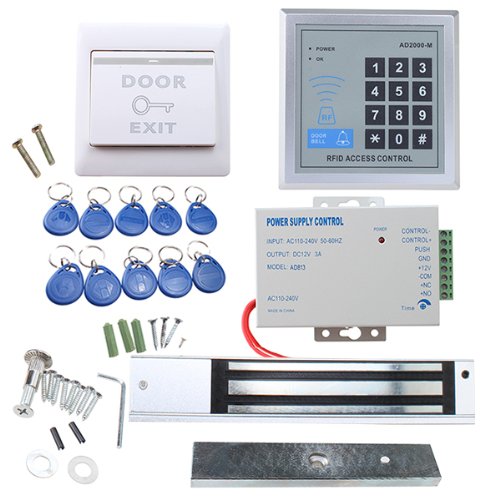
AGPTEK RFID Door Access Control System Kit, Home Security System with 280kg 620LB Electric Magnetic Lock 110-240V AC to 12v DC 3A 36w Power Supply Proximity Door Entry keypad 10 Key Fobs EXIT Button
[Modern Technology for Home Security] This RFID Proximity door access control system kit is one of the modern…
As an affiliate, we earn on qualifying purchases.
As an affiliate, we earn on qualifying purchases.
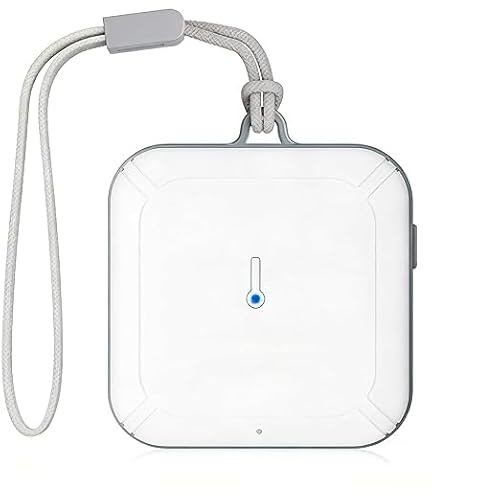
Email Alerts, Data Storage
W
As an affiliate, we earn on qualifying purchases.
As an affiliate, we earn on qualifying purchases.