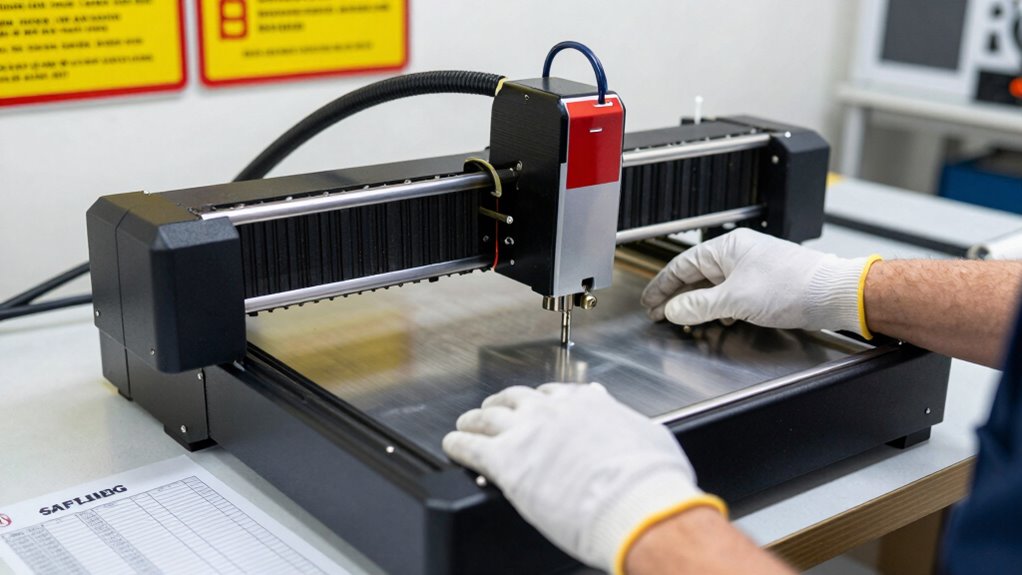

Before your first cut, confirm your workspace is tidy, well-ventilated, and free of flammable clutter. Check that your laser engraver’s safety features, like emergency stops and covers, are functioning properly. Select non-toxic, laser-safe materials and prepare them correctly. Adjust your laser settings carefully, following manufacturer guidelines, and always stay vigilant about safety protocols. Wearing PPE like safety glasses is essential. Keep these precautions in mind—more detailed steps await to ensure your safety every step of the way.
Key Takeaways
- Ensure workspace is organized, free of clutter, and equipped with accessible fire extinguishers and proper ventilation systems.
- Inspect safety signage, emergency stops, and protective covers to confirm all safety features are functional.
- Select and prepare non-toxic, laser-safe materials, verifying compatibility and reducing fire and fume hazards.
- Calibrate and test laser settings on scrap material to optimize safety and engraving quality before the first real cut.
- Wear appropriate PPE, review emergency procedures, and confirm all safety protocols are in place prior to operation.

FreeMascot IPL 200nm-2000nm Laser Safety Glasses for Laser Hair Removal Treatment and Laser Cosmetology Operator Eye Protection with Case (Green)
Wavelength: 200nm-2000nm, broad spectrum protection, block UV, Blue, Red and Infrared Laser Light
As an affiliate, we earn on qualifying purchases.
As an affiliate, we earn on qualifying purchases.
Assess Your Workspace and Ventilation for Safety
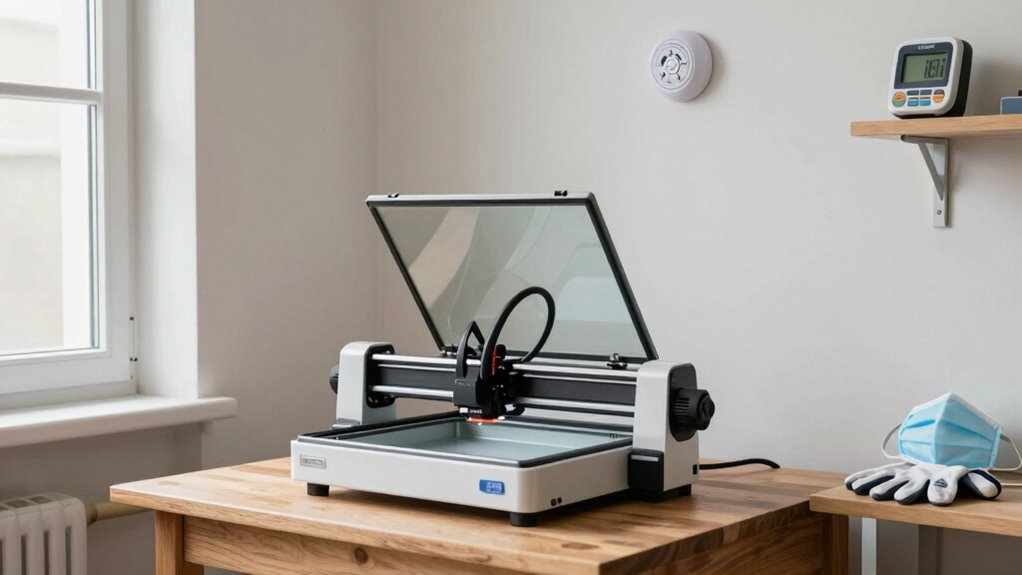
Before operating a laser engraver, you need to evaluate your workspace and ventilation setup. Fire hazards are a major concern, so verify your area is free of clutter, flammable materials, and easily accessible fire extinguishers. Adequate ventilation is essential to remove fumes, smoke, and airborne particles generated during engraving. Check that your workspace has proper airflow, preferably with exhaust fans or fume extractors, to meet ventilation requirements. A well-ventilated environment not only reduces fire risks but also protects your health. Keep your workspace organized and verify your ventilation system is functioning correctly before starting. Incorporating proper airflow management is crucial for maintaining a safe engraving environment. Proper air quality control helps prevent the buildup of hazardous fumes and ensures a safer workspace. Ensuring your ventilation system includes air filtering techniques can further improve air purity and protect your respiratory health. Addressing these safety measures minimizes fire hazards and creates a safer, healthier environment for your laser engraving projects.

FumeClear FC-2002A Laser Fume Extractor with Outdoor Vent for Odor Removal
Powerful Suction Capability: The FumeClear FC2002A fume extractor for laser engraver is capable of achieving a significant suction…
As an affiliate, we earn on qualifying purchases.
As an affiliate, we earn on qualifying purchases.
Check Your Laser Equipment’s Safety Features and Set It Up Properly
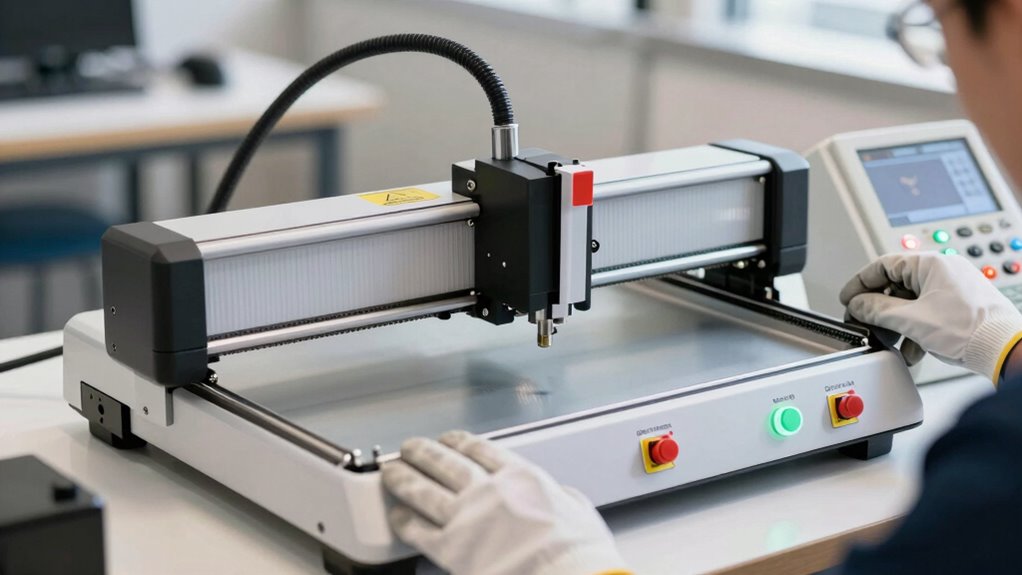
Ensuring your laser engraver’s safety features are functioning correctly is essential for a secure operation. Start by inspecting all safety signage around the equipment to confirm it’s visible and intact. Check that safety interlocks and emergency stop buttons are working properly, so you can quickly shut down the machine if needed. Verify that the laser beam’s path is enclosed or shielded to prevent accidental exposure, and ensure the protective covers are secure. Confirm the presence of warning labels and that they’re legible. Properly set up the laser engraver by calibrating the alignment and focusing the laser beam correctly. Doing these checks guarantees your safety features are active and effective, reducing risks during operation and ensuring a safe working environment. Additionally, consider European cloud innovation to explore new ways of enhancing your safety monitoring systems through advanced cloud solutions. Regular maintenance and safety audits further help in identifying potential issues before they become hazards.

ATOMSTACK AIC1 Air Assist Automatic Control Kits for Frame-Shaped Laser Engraver, Auto ON/Off Air Assist for LightBurn M7, Support Offline Engraving, with Emergency Stop Button and Reset Button
🔥【Automatic Control Switch for Air Assist】- The ATOMSTACK AIC1 air assist control kit specially designed for all ATOMSTACK…
As an affiliate, we earn on qualifying purchases.
As an affiliate, we earn on qualifying purchases.
Choose Safe Materials and Prepare Them for Engraving
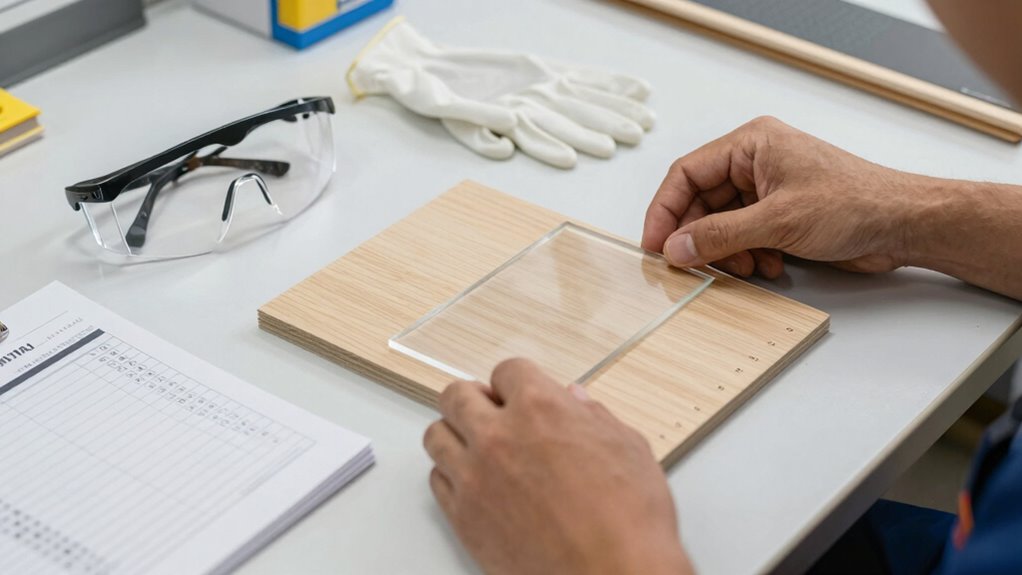
Choosing the right materials is crucial for safe laser engraving, as some substances release toxic fumes or pose fire hazards when vaporized. Focus on proper material selection by choosing non-toxic, laser-safe options like wood, acrylic, or leather. Avoid materials with unknown chemical compositions or those treated with coatings that can produce hazardous fumes. Before engraving, prepare the surface by cleaning it thoroughly to remove dust, oils,, or dirt that could cause uneven engraving or fire risks. Sanding or wiping the material ensures a smooth, even surface, which improves engraving quality and safety. Always verify that your chosen materials are compatible with your laser equipment and safe for indoor use. Proper surface preparation reduces hazards and ensures a safer, cleaner engraving process. Material safety is essential for preventing health issues and accidents during laser engraving. Additionally, always check the flammability of your materials to prevent accidental fires during operation. Incorporating proper ventilation can further mitigate risks associated with fumes and particles produced during engraving. Ensuring you are aware of the AI ethics surrounding material safety and handling practices can also help maintain responsible and safe engraving procedures. Being familiar with material certifications can provide added assurance of safety standards compliance.

SmartSign – U9-1546-NP_10x14 "Danger – Laser, Wear Protective Laser Goggles" Sign | 10" x 14" Plastic Black/Red on White
DURABLE PLASTIC. Signs use 55 mil thick HDPE (high density polyethylene) and can last up to 2 years…
As an affiliate, we earn on qualifying purchases.
As an affiliate, we earn on qualifying purchases.
Learn Laser Settings and Safety Guidelines You Must Know
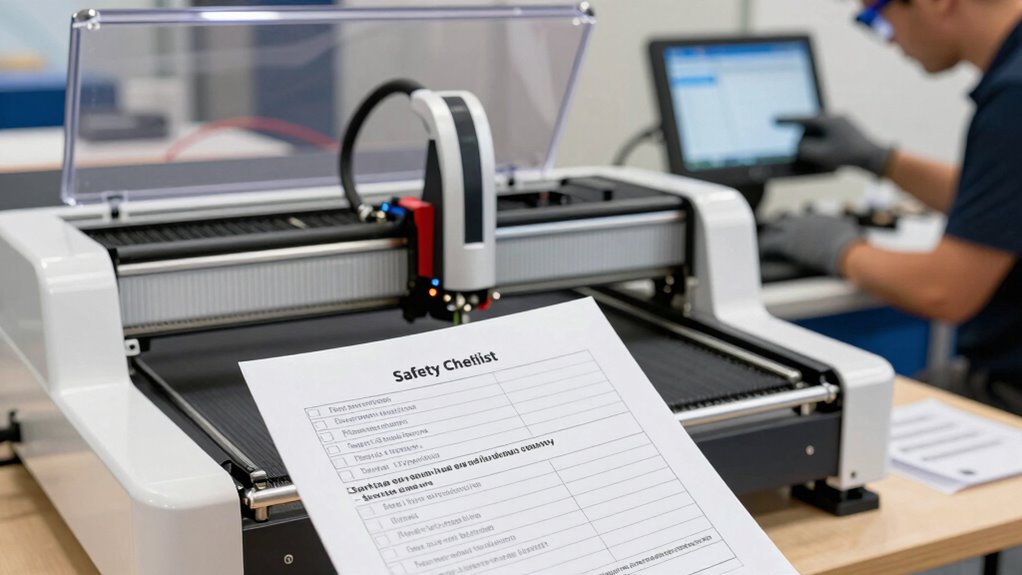
Understanding and adjusting your laser engraver’s settings is essential for both safety and achieving the best results. Proper laser focus ensures precision and prevents accidental damage or injury. Familiarize yourself with your machine’s safety protocols, such as keeping the area clear of flammable materials and never leaving the engraver unattended while in operation. Adjust the laser power, speed, and resolution according to the material you’re working with, following manufacturer guidelines. Always test on scrap pieces first to dial in the most suitable settings. Remember, accurate laser focus minimizes risks of fire or incomplete cuts. Prioritize safety protocols at every step—this minimizes hazards and ensures your engraving process is both safe and successful. Incorporating local automation features can help monitor and control your laser engraver remotely, enhancing safety and efficiency. Additionally, understanding laser safety and proper maintenance practices is critical to prevent accidents and prolong your machine’s lifespan. Regularly inspecting your equipment and adhering to manufacturer instructions can further reduce risks and ensure optimal performance. Moreover, staying informed about sound healing science can provide insights into how vibrations and frequencies might influence your workspace environment.
Know Emergency Procedures and Wear Personal Protective Equipment
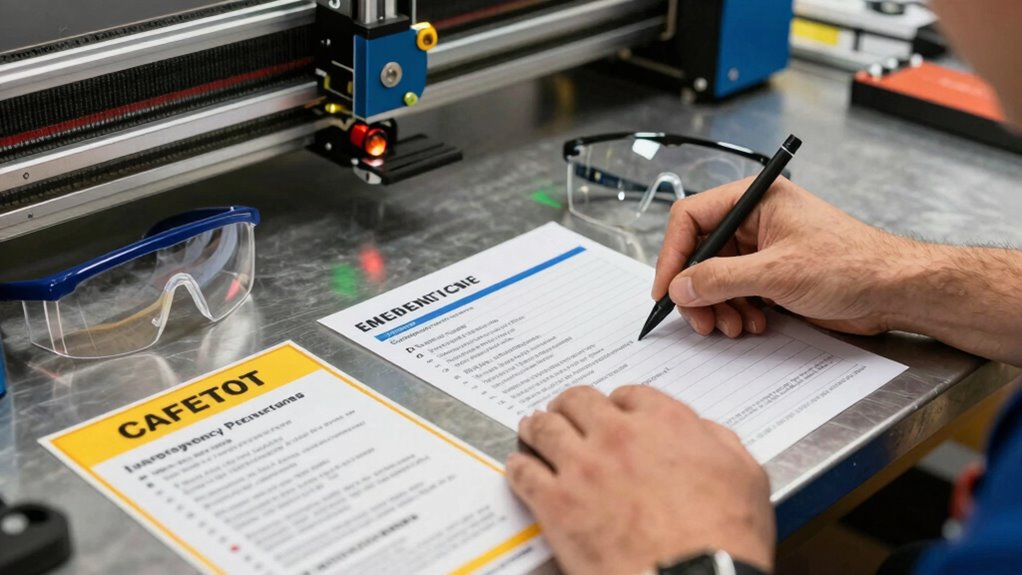
Knowing emergency procedures and wearing the right personal protective equipment (PPE) are critical for staying safe while operating a laser engraver. You should familiarize yourself with fire safety protocols and know how to respond quickly in case of a fire. Make sure you have easy access to emergency contacts, including local fire services and medical assistance, and keep them nearby. Always wear appropriate PPE, such as safety glasses, gloves, and a dust mask, to protect your eyes, skin, and respiratory system. Understanding emergency procedures guarantees you can react promptly to any issues, minimizing risks. Regularly review these procedures and PPE requirements before starting any engraving session to ensure your safety remains a top priority. Staying aware of your environment can help you identify hazards early and prevent accidents before they happen. Being familiar with safe operating practices can further enhance your safety measures during laser engraving. Additionally, knowing how to properly handle and store materials and equipment reduces the risk of accidents and exposure to hazards. Maintaining awareness of thermal behavior and potential fire risks specific to laser engravers is essential for comprehensive safety. Incorporating routine safety checks and understanding fire prevention techniques can help mitigate the risk of incidents related to heat and flames.
Frequently Asked Questions
How Often Should I Perform Safety Inspections on My Laser Engraver?
You should perform safety inspections on your laser engraver weekly to guarantee it stays in safe working condition. Incorporate these checks into your maintenance schedule and always review safety training guidelines before each session. Regular inspections help identify potential hazards early, preventing accidents. Consistent safety checks, combined with ongoing safety training, keep you and your workspace protected, ensuring your laser engraver operates safely and efficiently every time you use it.
Are There Specific Certifications Required for Laser Engraver Operators?
Think of laser operator certification requirements as your shield in a knight’s armor. While specific certifications vary by region, most employers demand formal operator training to guarantee safe and effective machine use. You should seek out recognized programs that cover handling, safety protocols, and maintenance. By completing this training, you demonstrate your competence and readiness, much like a knight earning their armor—prepared to wield the laser safely and skillfully.
Can I Use Homemade or Recycled Materials Safely With a Laser Engraver?
You can use DIY safety measures when working with recycled materials in your laser engraver, but you must be cautious. Verify the recycled materials are free of contaminants like glue, paint, or metal, which can release harmful fumes or damage the laser. Always test a small piece first, and verify that the materials are safe and suitable for laser engraving. Prioritize safety to prevent accidents or equipment damage.
What Are the Signs of Equipment Malfunction or Safety Hazards During Operation?
Your laser engraver will scream like a siren if there’s equipment malfunction or safety hazards. Watch for unexpected equipment alarms or unusual smoke detection signals, as these are warning signs that something’s wrong. If alarms go off or you notice excessive smoke, stop the machine immediately. Ignoring these cues could lead to serious damage or safety risks. Stay alert, and always prioritize safety over rushing the project.
How Should I Dispose of Laser Engraving Residues and Waste Materials Safely?
You should properly dispose of laser engraving residues and waste materials by following your local waste management guidelines. Use designated containers for hazardous materials if needed, and avoid dumping waste in regular trash. Always wear gloves and masks for safety, and clean the workspace thoroughly after each session. Proper disposal helps prevent environmental contamination and guarantees safety for yourself and others around you.
Conclusion
By following this safety checklist, you’ll be as prepared as a captain before setting sail. Remember, safety isn’t just a step—it’s the anchor that keeps you steady. Always double-check your workspace, equipment, materials, and safety procedures before your first cut. Treat every session with the care and attention of a lighthouse guiding ships safely home. Stay vigilant, and your laser engraver will be a powerful, safe tool that brings your creative visions to life without a hitch.