
TL;DR

Get the latest gadgets delivered free with Prime
- Fast, free delivery on millions of items
- Prime Video, Amazon Music and more included
- Member-only deals all year
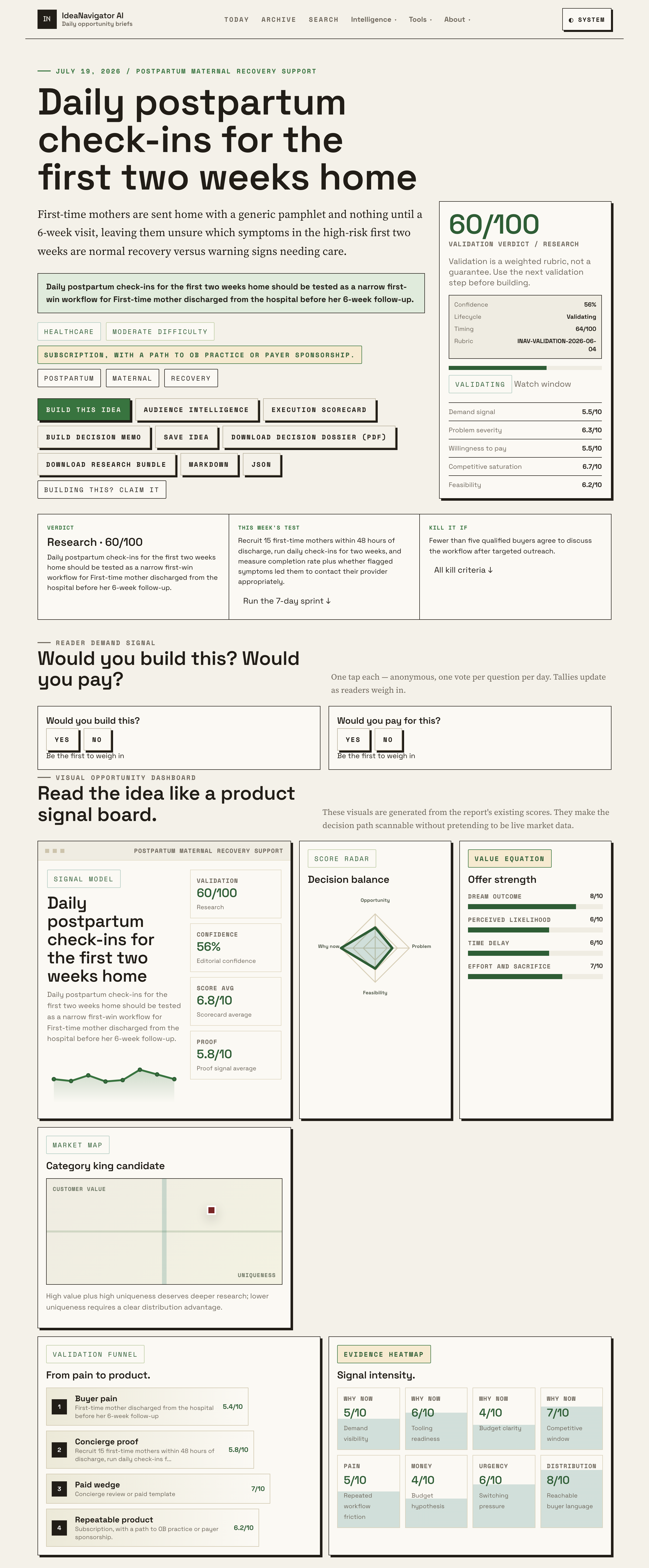
A new initiative proposes daily postpartum check-ins for first-time mothers in the first two weeks after discharge. This targeted approach aims to address gaps in postpartum care and improve early detection of complications.
New postpartum monitoring protocol recommends daily check-ins for first-time mothers during the first two weeks after hospital discharge. This initiative aims to bridge the gap in postpartum care, which currently leaves many women without personalized support until their 6-week follow-up, potentially missing early warning signs of complications.
Daily postpartum check-ins are being tested as a targeted intervention for first-time mothers discharged early—before the standard 6-week visit. This approach involves creating a recovery profile based on delivery details, feeding method, and mental health baseline, then delivering tailored daily check-ins through an app or digital platform. The goal is to surface specific recovery tips and prompt mothers to contact healthcare providers if certain symptoms are flagged.
The initiative is currently in the pilot phase, with plans to recruit 15 first-time mothers within 48 hours of discharge. Researchers will measure the completion rate of daily check-ins and whether flagged symptoms lead to appropriate medical contact. The model is designed to be monetized via subscription, with potential sponsorship from OB practices or payers.
Potential to Improve Postpartum Care Outcomes
This new approach could significantly reduce postpartum complications by enabling earlier detection of warning signs. It addresses the recognized gap in postpartum support for women discharged early, which may contribute to adverse health outcomes. If successful, it could inform broader protocols and digital health solutions for maternal recovery, ultimately improving safety and patient satisfaction.
As an affiliate, we earn on qualifying purchases.
Addressing the Postpartum Care Gap
Currently, many first-time mothers are discharged from hospitals with minimal guidance beyond a generic pamphlet, with no structured follow-up until their 6-week postpartum appointment. Maternal health campaigns have highlighted the risks associated with this gap, which can lead to undetected complications such as infections, bleeding, or mental health crises. Smartphone-based monitoring solutions have gained interest as a feasible way to provide continuous, personalized support during this vulnerable period.
“Daily check-ins could transform postpartum care by catching issues early and providing tailored support when women need it most.”
— an anonymous researcher
As an affiliate, we earn on qualifying purchases.
Uncertainties About Implementation and Effectiveness
It is not yet clear how well the pilot will perform in terms of engagement, whether women will consistently complete daily check-ins, or if flagged symptoms will reliably lead to appropriate medical contact. The scalability and long-term impact of this approach remain to be validated through larger studies.
As an affiliate, we earn on qualifying purchases.
Next Steps for Validation and Expansion
Researchers plan to run the pilot with 15 first-time mothers over the next few months, measuring completion rates and outcomes. If results are positive, the program could expand to larger populations, with potential integration into standard postpartum care protocols and broader digital health platforms.
As an affiliate, we earn on qualifying purchases.
Key Questions
How will the daily check-ins be personalized for each mother?
The check-ins will be tailored based on a recovery profile built from delivery details, feeding method, and mental health status collected during onboarding.
What symptoms will trigger a medical alert?
Specific symptoms such as heavy bleeding, fever, severe pain, or signs of depression will be flagged for prompt medical contact.
Is this approach suitable for all new mothers?
Currently, the focus is on first-time mothers discharged early; further research is needed to determine its applicability to other groups.
How will this be funded or monetized?
The model proposes a subscription fee, with pathways for OB practices or insurance payers to sponsor or adopt the service.
When will this monitoring system be widely available?
Implementation depends on pilot outcomes; if successful, broader deployment could occur within the next year or two.
Source: IdeaNavigator AI
Halloween Picks
halloween
As an affiliate, we earn on qualifying purchases.