
📊 Full opportunity report: Museum Gamification: Learning Games For Smaller Institutions on IdeaNavigator AI — validation score, market gap, and execution plan.

Get the latest gadgets delivered free with Prime
- Fast, free delivery on millions of items
- Prime Video, Amazon Music and more included
- Member-only deals all year
TL;DR
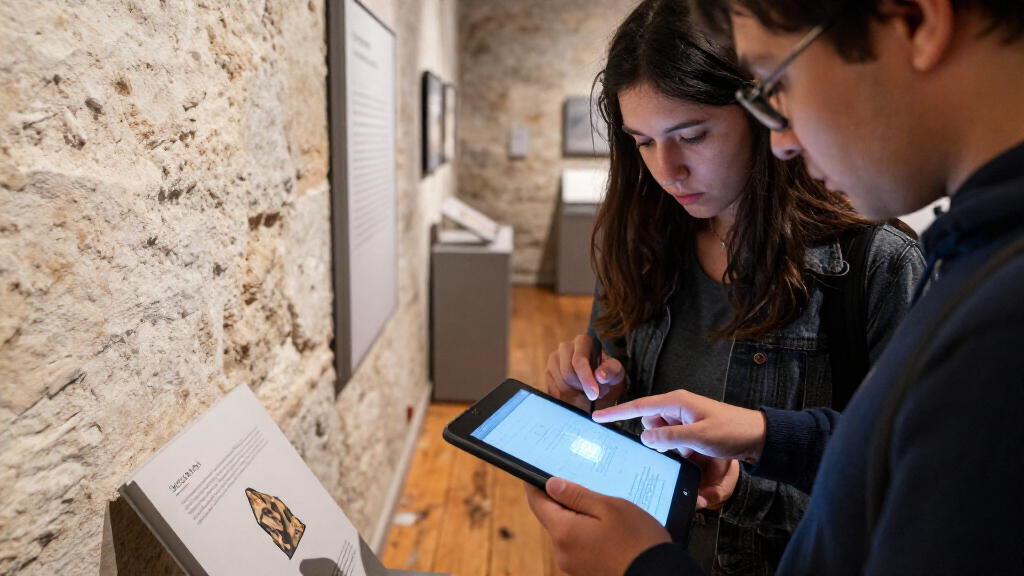
A proposal from IdeaNavigator AI recommends that small museums test browser-based exhibit games built from their own collections. It is a product and validation concept, not a report of a launched service or successful museum pilots; the suggested test would compare visitor and booking measures over one school term.
IdeaNavigator AI has proposed a low-cost, browser-based learning-game package for small museums, with a three-institution pilot suggested to test visitor engagement and demand for paid updates. The proposal targets museums with limited staff and annual budgets typically below $250,000, but it does not report that a product has been built, a pilot launched or results collected.
The proposed package would let a museum send in collection photos, exhibit labels and object records, then receive a browser-based quest within two weeks. Visitors would not need to download an app. The design calls for three formats: a school-group hunt organized by grade band and aligned to state standards, a family quest and a 10-minute solo trail.
The concept also includes a basic editor so staff can replace objects when displays change, a printable version for visitors without a device and visit analytics that museums could use in grant reports. The proposal says an educator should check content drafted from each museum’s collection. These are suggested product features, not confirmed capabilities of an existing service.
To validate the idea, the proposal recommends building quests for three small museums at cost and tracking school-group bookings, family dwell time and repeat visits over one term, comparing results with the same term in the previous year. It also proposes asking whether at least two of the three museums would include a paid refresh in a future grant application. No participating museums, pricing or pilot findings are identified.
Learning games for smaller museums
IdeaNavigator AI proposes collection-based browser games for small museums. The service and pilot are plans, not a launched product or proven results.
How the concept works
Museums would supply collection materials for browser-based activities visitors can use without an app download.
Provide photos, exhibit labels and object records.
The proposed package includes school, family and 10-minute solo formats.
An educator checks drafted content; staff could update objects as displays change.
What a pilot would measure
The proposal suggests testing three museum quests over one school term against the same term in the previous year.
School groups
Compare school-group bookings with the prior-year term.
Family dwell time
Track how long families spend with the experience.
Repeat visits
Look for changes in visitors returning to the museum.
What remains unproven
No product launch, participating museums, pricing or pilot findings are reported.
- Ready-made activities may reduce staff effort.
- Visitor measures could support grant reporting.
- Affordability and maintenance costs are unknown.
- Attendance changes may have causes beyond the games.
A Smaller-Budget Route to Interactive Visits
The proposal addresses a practical constraint for institutions that may have only a few employees and volunteers handling education, visitor services and collection work at once. If the described problem is accurate, a ready-made, collection-specific activity could reduce the effort of writing and maintaining activities, while giving school groups and families a structured way to engage with exhibits.
The suggested fixed-price build and modest annual hosting and refresh fee are intended to fit within a small grant budget. That model could be more accessible than commissioning a custom digital project, but affordability has not been demonstrated: the proposal gives no price, staff-time estimate or comparison with existing products. Its value would depend on whether the games are easy for museums to maintain and whether visitors and educators use them.
For museums seeking evidence for funders, the pilot’s proposed measures could help connect a digital activity to bookings and repeat visits. However, a three-museum test would be small, and changes in attendance could have causes beyond the games. The results would be an initial indication, not proof that the approach works across small museums.
Products Worth Considering

Jackery Explorer 300 Portable Power Station with 40W Solar Panel

Apple Watch SE 3 GPS 40mm Smartwatch

Bose QuietComfort Wireless Noise-Cancelling Headphones, Sandstone
As an affiliate, we earn on qualifying purchases.
Grant Timing Behind the Proposal
The proposal frames the idea around U.S. museum funding. It states that the Institute of Museum and Library Services announced its FY2026 Inspire Grants for Small Museums on Sept. 9, 2026, funding 88 museums for educational programs and exhibits. It also says an April 2026 court settlement left the agency intact. These dates and figures are presented as context for the concept rather than as evidence that any grant has funded learning-game development.
It further points to the President’s FY2027 budget proposal to eliminate IMLS and says the deadline for FY2027 National Leadership Grants was tentatively Nov. 13, 2026. A proposed budget is not the same as an enacted funding change, and a tentative deadline may change. The case for a fixed-price project is therefore tied to the proposal’s view that museums need projects they can define and include in grant applications amid funding uncertainty.
The concept is aimed at small history, art and science museums that host both school groups and families. It suggests regional museum associations could act as group buyers, potentially spreading development costs among institutions. No association has been named as a partner, and no procurement arrangement is reported.
Pilot Evidence and Costs Still Missing
No pilot has been reported, and the proposal does not identify a developer, participating museums or a launch date. It is also unclear what the package would cost, how the two-week delivery target would be met, what level of educator review is included or how the editor and analytics would be maintained.
The suggested comparison with the same term in the previous year would need to account for changes in school schedules, exhibits, staffing and local visitor patterns. The proposal does not specify how dwell time would be measured, how repeat visitors would be identified or what result would count as success. It also does not name the states whose standards the school activities would follow.
Funding remains a separate uncertainty. The grant dates and budget proposals cited in the concept do not confirm that a museum can use a particular award for this product. Each institution would need to check grant rules and its own budget before treating the proposed package as fundable.
Three-Museum Trial Would Test Demand
The next step laid out in the proposal is to build three example quests at cost, then assess their use over one school term. The suggested review would compare school-group bookings, family dwell time and repeat visits with the corresponding term a year earlier, while also asking whether two museums would seek funding for a paid refresh.
That test has not been announced as underway. If it proceeds, useful reporting would include the participating museums, total project cost, how visitor measures were gathered and whether changes were large enough to distinguish from ordinary variation. Until those details and results are available, the learning-game package remains a proposed service and pilot plan, not a proven solution.
Source: IdeaNavigator AI
Key Questions
Is a museum learning-game product already available?
The proposal describes a possible package and product features, but does not say that a service has launched or name a provider.
Which museums is the idea intended for?
It is aimed at small history, art and science museums, particularly those with limited staff that host school groups and families. The proposal describes a typical annual budget of less than $250,000.
How would the proposed games work?
A museum would provide collection materials and receive a browser-based experience with school, family and short solo activities. The suggested package also includes an editor, printable fallback and visit analytics.
Have the games been shown to increase visits?
No results are reported. The proposal recommends a three-museum test measuring bookings, family dwell time and repeat visits over one term against the same term in the prior year.
What would happen after the pilot?
The concept would test whether museums would pay for later content refreshes, potentially through future grant applications. No pricing, buyer commitments or follow-up schedule has been announced.
Source: IdeaNavigator AI