
📊 Full opportunity report: Capability or Control: The European Enterprise AI Playbook for the AI Act Era on ThorstenMeyerAI.com — validation score, market gap, and execution plan.

Get the latest gadgets delivered free — and shop member deals
- Fast, free delivery on millions of items
- Access to Prime Big Deal Days deals on October 6–7
- Prime Video, Amazon Music and more included
TL;DR
European companies face a strategic shift in AI deployment due to the EU AI Act, emphasizing control over capability. The key is selecting models based on licensing, origin, and deployment location to stay compliant and secure supply chains.
European enterprises are now navigating a complex landscape shaped by the EU AI Act, which forces them to prioritize control over capability in AI deployment. The enforcement deadlines for compliance are approaching, and strategic decisions around model origin, licensing, and infrastructure are becoming critical to avoid legal and operational risks.
The EU AI Act, effective since August 2025 for general-purpose AI models, requires companies to ensure their AI systems meet specific compliance standards. Enforcement fines of up to 3% of global turnover will begin on August 2, 2026. Key decisions include whether to use models from signatory providers under the AI Code of Practice, which now includes major players like OpenAI, Google, and Anthropic, but excludes Meta and Chinese providers.
Deployment location is increasingly important: European-built models like Mistral’s Large 3 or Teuken are designed with GDPR and the AI Act in mind, and can be self-hosted on EU infrastructure, reducing jurisdictional risks. Conversely, US and Chinese models, while capable, pose legal and supply chain risks due to US CLOUD Act and export controls, respectively. Notably, US hyperscalers like AWS and Microsoft have launched sovereign cloud offerings, but legal exposure remains for US-incorporated providers.
The legal landscape emphasizes licensing and origin more than nationality. Open-source licenses such as Apache-2.0 are favored, with models like Mistral’s qualifying for exemptions, while proprietary licenses like Meta’s Llama do not. The choice of deployment infrastructure and licensing is now central to enterprise AI strategies, with a focus on compliance, sovereignty, and operational resilience.
Capability or Control
● EnterpriseThe EU AI Act doesn’t ban models by origin. Together with the CLOUD Act, GDPR, and a supply chain that can be switched off, it forces European enterprises to choose — workload by workload — between capability and control. Origin matters far less than license, deployment, and jurisdiction.
Nationality isn’t the gate. License, data destination, and where you deploy are.
No single point is right for a whole company. The right answer is a portfolio, assigned per workload.
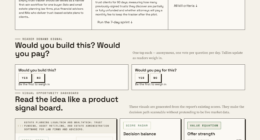
Sort workloads by data sensitivity & regulatory exposure, then match each to a stack.
Independent commentary, produced with AI assistance under human editorial oversight; the views are the author’s own and may change. This is analysis and opinion, not legal, compliance, investment, or technical advice; the EU AI Act, its implementation, and model availability are evolving — verify specifics with qualified counsel and primary regulatory sources before acting. Figures and milestones are drawn from public sources read as of June 2026 and are subject to change. References to specific companies, models, regulators, and government actions are factual and analytical, not partisan, and imply no affiliation or endorsement.
Impacts of the EU AI Act on Enterprise AI Strategies
This shift significantly alters how European companies approach AI procurement and deployment. Moving beyond model capability, firms must now consider legal jurisdiction, licensing, and infrastructure choices to remain compliant and avoid supply chain disruptions. The emphasis on sovereignty and control reflects a broader regulatory push for data security and legal accountability, which could influence global AI market dynamics and enterprise risk management.
As an affiliate, we earn on qualifying purchases.
Regulatory and Infrastructure Developments in European AI
Since 2025, the EU has been actively building a regulatory and infrastructure ecosystem to support compliant AI deployment. Initiatives include EuroHPC’s supercomputers, the InvestAI fund, and the development of AI Factories across Europe. Sovereign cloud offerings from AWS and Microsoft aim to reduce dependence on US-based infrastructure, but legal exposure persists due to US laws like the CLOUD Act. The landscape is further complicated by the licensing and origin of models, with open-source models gaining prominence as a compliance advantage.
Meanwhile, US and Chinese models continue to dominate capability rankings, but their deployment in Europe involves navigating legal and political risks, including export controls and jurisdictional issues. The ongoing merger of European and Canadian AI firms signals a potential shift in sovereign AI capabilities, but full independence remains elusive due to hardware and legal constraints.
“Origin is less important than license, deployment location, and legal jurisdiction. Get these right, and even US or Chinese models can be compliant in Europe.”
— Thorsten Meyer
self-hosted AI infrastructure for enterprises
As an affiliate, we earn on qualifying purchases.
As an affiliate, we earn on qualifying purchases.
Legal and Operational Risks Still Unclear
While the legal frameworks and infrastructure initiatives are in place, it remains uncertain how strictly enforcement will be applied at the enterprise level and how many companies will fully adapt their models and deployment strategies in time. The precise impact of non-compliance penalties and how non-signatory or proprietary models will be scrutinized is still developing.
As an affiliate, we earn on qualifying purchases.
Key Dates and Strategic Adjustments for Enterprises
Enterprises should prepare for the August 2026 enforcement of fines and compliance standards by auditing their AI supply chains, licensing, and deployment locations. The December 2027 deadline for high-risk system regulation further emphasizes the need for strategic planning. Companies are advised to prioritize open licenses, EU-based infrastructure, and models from signatory providers to mitigate risks and ensure ongoing compliance.
As an affiliate, we earn on qualifying purchases.
Key Questions
How does the EU AI Act affect model choice for European companies?
It shifts focus from model capability to licensing, origin, and deployment location. Using models with open licenses and EU-based infrastructure can reduce compliance risks.
What are the main risks of deploying US or Chinese AI models in Europe?
US models may be subject to CLOUD Act, risking data access and legal compliance issues. Chinese models face export controls and political risks, potentially disrupting supply chains.
What infrastructure options are available for compliant AI deployment in Europe?
European sovereign clouds from AWS and Microsoft, as well as local data centers and open-source models, offer compliant deployment environments.
When do the major compliance deadlines occur?
August 2, 2026, for enforcement of fines on GPAI providers; December 2027 for full high-risk system regulation.
Can non-signatory or proprietary models still be used in Europe?
Yes, but they face increased scrutiny and must demonstrate compliance through other means, which may include additional documentation or contractual measures.
Source: ThorstenMeyerAI.com
Fall Picks
fall essentials
As an affiliate, we earn on qualifying purchases.