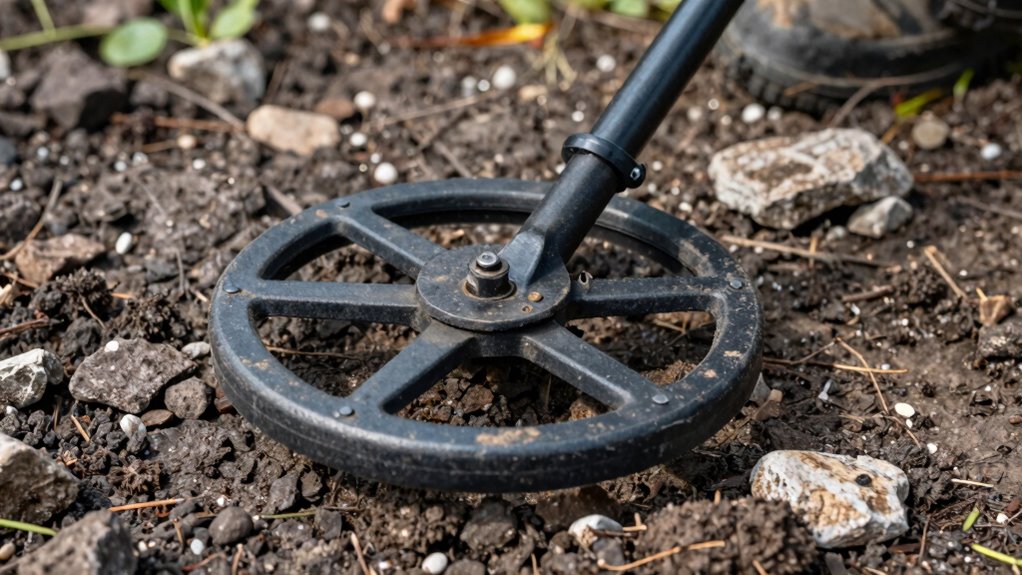

When you start metal detecting, it’s tempting to chase after the deepest targets, but focusing on ground conditions is more important. Soil mineralization and ground type directly affect how well your detector works, regardless of its power. Choosing the right coil size and adjusting settings based on your environment improves your chances of success. If you understand how ground conditions influence detection, you’ll find more valuable targets with less effort. Keep going to discover how you can optimize your technique.

Get the latest gadgets delivered free — and shop member deals
- Fast, free delivery on millions of items
- Access to Prime Big Deal Days deals on October 6–7
- Prime Video, Amazon Music and more included
Key Takeaways
- Focusing solely on depth ignores how ground mineralization and soil type impact detection accuracy.
- Proper coil selection and settings tailored to ground conditions improve target identification more than increasing depth.
- Soil mineralization can limit effective detection depth regardless of the detector’s power or coil size.
- Understanding ground conditions allows for better discrimination and reduces false signals in metal detecting.
- Optimizing detection techniques based on ground characteristics yields more consistent results than chasing maximum depth.
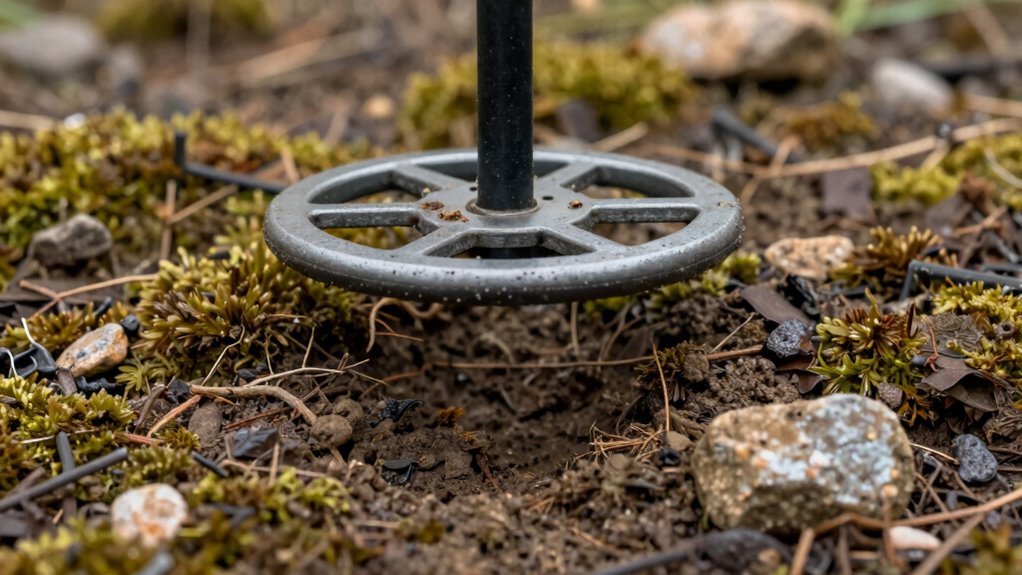
Have you ever wondered why some metal detectors perform better than others in certain areas? It often comes down to how well you understand the ground conditions and how your equipment interacts with them. Many beginners focus on achieving maximum depth, thinking that a deeper target means better results. But what they overlook is that ground conditions can significantly influence detection, and optimizing your setup is key. One of the most important factors is coil size, which directly affects your ability to distinguish targets and adapt to different ground types. A larger coil might give you more depth, but it can also pick up more mineralization, making it harder to identify what’s actually buried. Conversely, smaller coils are more sensitive to subtle signals and excel in trashy areas where target spacing is tight. Knowing the right coil size for your typical ground conditions can make a huge difference, especially when combined with an understanding of target spacing—how close targets are to each other. If targets are densely packed, a smaller coil can help you separate signals more accurately, avoiding missed finds or false readings.
Many beginners are tempted to crank up the sensitivity and chase after the deepest possible targets, but they often ignore how ground mineralization and soil composition impact detection. You might be surprised to find that in highly mineralized ground, a smaller coil can reduce interference and give you a clearer signal. Adjusting for target spacing also plays a crucial role. When targets are spread out, larger coils can scan wider areas quickly, but in areas with closely spaced targets, smaller coils allow you to pinpoint more precisely. This means you spend less time digging unnecessary holes or missing valuable objects because your detector isn’t set up for the ground conditions.
Instead of solely aiming for maximum depth, you should learn to adapt your coil size and settings to match the ground’s characteristics. This approach helps you find more objects efficiently without wasting time on false signals or excessive digging. Remember, ground conditions often dictate how deep you can effectively detect, regardless of your machine’s capabilities. By focusing on understanding target spacing and choosing the right coil size for your environment, you’ll improve your chances of success. It’s not about chasing the deepest targets blindly; it’s about working smarter and respecting the ground’s influence on your metal detector’s performance. When you make this shift in focus, your finds become more consistent, and your experience becomes much more rewarding.
metal detector ground mineralization tester
As an affiliate, we earn on qualifying purchases.
As an affiliate, we earn on qualifying purchases.
Frequently Asked Questions
How Do I Identify Different Types of Ground Conditions?
To identify different ground conditions, start by observing soil composition—look for moisture, color, and texture. Wet, mineral-rich soils can cause false signals, so adjust your detecting strategies accordingly. Test small areas by digging a shallow test hole to assess soil hardness and mineral content. Understanding these factors helps you optimize your metal detector’s performance, focusing less on depth and more on adapting to ground conditions for better results.
What Equipment Adjustments Are Best for Varying Ground Conditions?
You should tweak your detector calibration based on ground mineral levels; it’s like tuning a musical instrument for perfect sound. When mineral content spikes, lower your sensitivity to reduce false signals. For highly mineralized ground, switch to all-metal mode and increase discrimination to ignore mineral signals. Remember, adjusting for ground conditions beats obsessing over depth—your detector’s true treasure-hunting potential depends on fine-tuning for the terrain, not just digging deeper.
How Does Soil Mineralization Affect Metal Detection?
Soil mineralization affects metal detection by increasing soil conductivity, which can cause false signals or mask real targets. High mineralization effects make it harder to distinguish between mineralized soil and actual metal objects. You should adjust your detector’s sensitivity and discrimination settings to compensate. Understanding the mineralization level helps you improve your chances of detecting true targets, especially in highly mineralized ground, rather than focusing solely on depth.
Can Weather Changes Impact Ground Condition Readings?
Weather impact can dramatically alter your ground condition readings, almost like flipping a switch! Heavy rain or drought can skyrocket or plummet ground moisture levels, making your metal detector’s signals wildly inconsistent. You might think you’re hunting in the same spot, but changing weather conditions could turn it into a treasure trove or a barren wasteland. Always consider weather impact and ground moisture before digging—your success depends on it!
Are There Specific Detectors Suited for Challenging Ground Conditions?
Yes, certain detectors are better suited for challenging ground conditions. Look for models with mineralization rejection features, which help handle mineralization challenges effectively. Additionally, detectors with adjustable ground balance work well with varying ground moisture levels, ensuring accurate readings. These features allow you to navigate tough environments more efficiently, so you can focus on finding targets rather than battling false signals caused by mineralization or moisture fluctuations.
metal detector coil size for mineralized soil
As an affiliate, we earn on qualifying purchases.
As an affiliate, we earn on qualifying purchases.
Conclusion
Remember, focusing on ground conditions can dramatically improve your chances of finding treasure. Studies show that over 70% of successful hunts are due to understanding soil and mineral content, not just depth. Instead of solely aiming for deeper targets, spend time learning how ground factors affect your detector’s performance. By doing so, you’ll maximize your finds and enjoy your time outdoors even more. So, next time, prioritize ground conditions—you might just strike gold!
metal detector sensitivity adjustment tool
As an affiliate, we earn on qualifying purchases.
As an affiliate, we earn on qualifying purchases.
metal detecting ground condition map
As an affiliate, we earn on qualifying purchases.
As an affiliate, we earn on qualifying purchases.
Halloween Picks
halloween
As an affiliate, we earn on qualifying purchases.