
📊 Full opportunity report: When Does Cheap Memory Come Back? The 2027–2029 Question on ThorstenMeyerAI.com — validation score, market gap, and execution plan.
TL;DR
Memory prices are unlikely to return to pre-crisis levels before 2028–2029. Industry capacity additions are delayed, and demand remains high due to AI growth, making relief gradual and uncertain.
Memory prices are expected to remain elevated through 2028–2029, with no immediate relief in sight, according to industry analysts and major manufacturers. The consensus timeline suggests that the long-awaited decline in memory costs will be delayed well beyond 2027, affecting markets and consumers worldwide.
Multiple sources, including IDC, Counterpoint, and industry leaders like Samsung and SK Hynix, agree that memory prices are unlikely to fall to pre-crisis levels before 2028 or later. The primary reason is the physical and logistical delay in capacity expansion; new fabs take years to build and ramp up. The first wave of new capacity, including Micron’s Idaho and Singapore plants, is expected to begin production around 2027, but the largest projects, such as Micron’s Clay fab, are not scheduled until 2030.
Current capacity additions are mainly focused on high-bandwidth memory (HBM), with most of the new fabs targeted at this segment, which further constrains supply of commodity DRAM. Additionally, the industry’s discipline—driven by high profits and contractual demand—limits overbuilding, which keeps supply tight and prices high. The demand from AI applications remains robust, with some companies locking in long-term supply agreements through 2029, further supporting elevated prices.
When does cheap memory come back?
The question everyone’s really asking: do I just wait this out? The honest answer is a timeline, three scenarios, and news you may not want — the cheap memory you remember isn’t coming back. A less-expensive market probably is — later, and at a higher floor.
Capacity ramps ’27–’28; price climbs stop, then ease. Settles ~30–50% above pre-crisis — the new baseline, not a return to 2024.
AI keeps accelerating; OpenAI locked ~40% of DRAM through 2029; makers pause expansion to protect record margins; each HBM gen worsens the math.
AI demand moderates just as delayed ’27–’28 fabs all arrive → classic overshoot → prices crash. Not the bet — but never impossible in this industry.
The one relief valve that needs no fab is efficiency: if compression (Part 9) cuts how much memory each model needs, demand softens on the timescale of a software update, not a construction project. So the posture isn’t waiting — it’s the discipline this series has been about. Memory is now a scarce, valuable resource; treat it that way. Buy what you need, right-size, own what’s steady, rent what’s spiky, quantize either way. The people who do best won’t be the ones who guessed the bottom — they’ll be the ones who stopped needing so much. That’s the squeeze, end to end.
Impacts of Persistent Memory Scarcity on Markets
The expectation that memory prices will stay higher for longer has broad implications for technology markets, including data centers, AI infrastructure, and consumer electronics. Persistent high costs could slow down adoption of new AI models and limit growth in sectors reliant on large memory capacities. For consumers, this means higher costs for devices and potentially less innovation in memory-intensive applications.

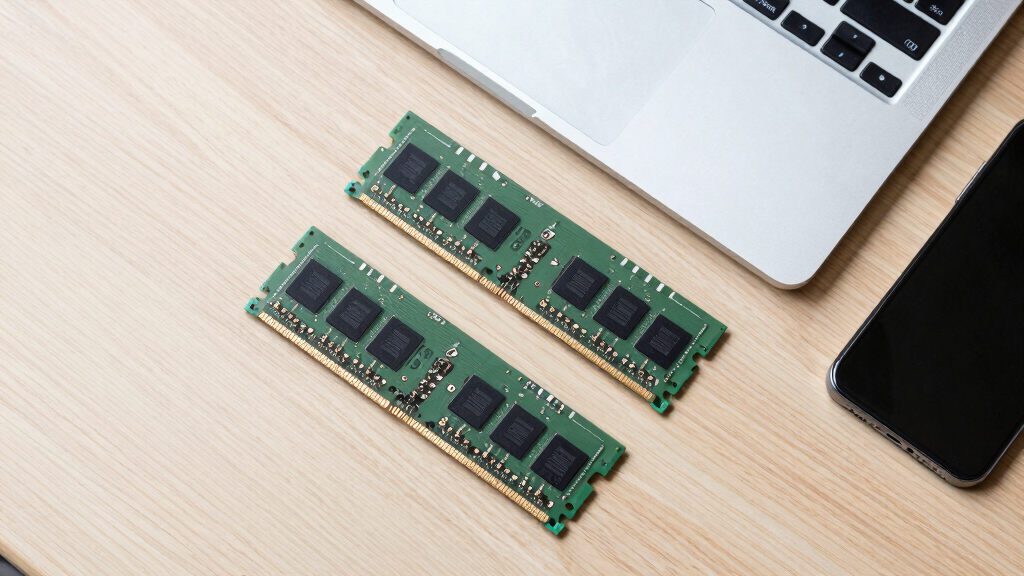
G.SKILL RipjawsV Series DDR4 RAM (XMP) 32GB (2x16GB) 3200MT/s CL16-18-18-38 1.35V Intel AMD Desktop Computer Memory U-DIMM – Black (F4-3200C16D-32GVK)
G.SKILL RipjawsV Series DDR4 U-DIMM Memory Kit, Model: F4-3200C16D-32GVK
As an affiliate, we earn on qualifying purchases.
As an affiliate, we earn on qualifying purchases.
Physical and Market Factors Behind the Delay
The delay in relief is primarily due to the physical constraints of building new fabs, which can take several years. The first capacity increases are scheduled for 2027, but the most significant expansions, including Micron’s Clay megafab, are not expected until 2030. Meanwhile, the industry’s focus on advanced packaging and the discipline of major manufacturers to avoid overproduction contribute to a sustained scarcity. Historically, the memory market has experienced boom-and-bust cycles, and a glut leading to a crash remains a theoretical possibility, though less likely in the near term.
Demand growth driven by AI and other data-intensive applications continues to outpace supply, with some companies securing long-term supply agreements that extend into 2029, further constraining the market and supporting higher prices.
“The shortage could extend through 2027 and beyond, with a genuine easing not expected until late 2028.”
— Samsung spokesperson

GMKtec M6 Ultra Gaming Mini PC Ryzen 7640HS (Upgraded 6600H/ 6800U), 32GB RAM DDR5 1TB SSD Dual NIC LAN 2.5GbE Desktop Computers Office Home, Triple 4K Display, WiFi 6, USB4, BT 5.2, DP, HDMI 2.0
VALUE & PERFORMANCE MINI PC – GMKtec Nucbox M6 Ultra Series is equipped with the powerful AMD Ryzen…
As an affiliate, we earn on qualifying purchases.
As an affiliate, we earn on qualifying purchases.
Uncertainties in Memory Market Recovery Timeline
While projections point to 2028–2029 for a significant easing, uncertainties remain about demand growth, technological transitions (such as HBM5), and potential market shocks like a supply glut or AI demand moderation. The industry’s history of boom-and-bust cycles also suggests that a crash could still occur if supply overshoots demand unexpectedly.
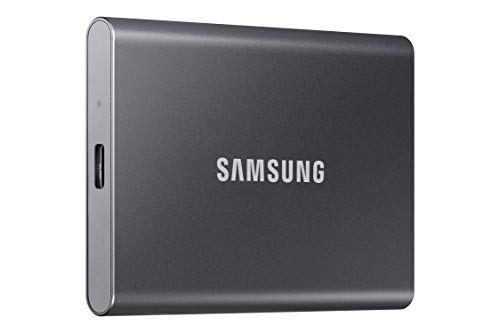
Samsung T7 Portable SSD, 1TB External Solid State Drive, Speeds Up to 1,050MB/s, USB 3.2 Gen 2, Reliable Storage for Gaming, Students, Professionals, MU-PC1T0T/AM, Gray
MADE FOR THE MAKERS: Create; Explore; Store; The T7 Portable SSD delivers fast speeds and durable features to…
As an affiliate, we earn on qualifying purchases.
As an affiliate, we earn on qualifying purchases.
Upcoming Capacity Expansions and Market Developments
Key developments include the start of Micron’s Idaho and Singapore fabs in 2027, SK Hynix’s Indiana plant, and Samsung’s Pyeongtaek line, all contributing to increased supply. The delayed Clay fab, scheduled for 2030, remains a significant milestone. Monitoring demand trends, especially AI-related, and technological advances in memory efficiency will be crucial in assessing how quickly prices can stabilize and whether relief will meet expectations.
latest high bandwidth memory (HBM) modules
As an affiliate, we earn on qualifying purchases.
As an affiliate, we earn on qualifying purchases.
Key Questions
When will memory prices likely return to pre-crisis levels?
Most industry experts expect prices to stabilize around late 2027, with a full return to pre-crisis levels possibly not until 2028–2029.
What are the main factors delaying relief?
The physical time required to build and ramp new fabs, industry discipline to avoid overbuilding, and high demand from AI applications are primary factors.
Could memory prices crash again?
Yes, a market correction or oversupply could trigger a crash, but current projections suggest a gradual easing rather than a sudden collapse.
Will new technological advances help reduce memory costs?
Potentially, yes. Techniques like memory compression and increased efficiency could soften demand, providing some relief without new fabs.
Source: ThorstenMeyerAI.com