
Dollar-cost averaging is a simple way to grow your wealth over time by investing a fixed amount regularly, no matter how markets move. It helps you avoid emotional decisions by smoothing out market fluctuations—buying more shares when prices are low and fewer when they’re high. This disciplined approach reduces stress and encourages long-term investing. Keep exploring to discover how this strategy can make your journey toward financial security easier and more effective.

Get the latest gadgets delivered free — and shop member deals
- Fast, free delivery on millions of items
- Access to Prime Big Deal Days deals on October 6–7
- Prime Video, Amazon Music and more included
Key Takeaways
- DCA involves regularly investing a fixed amount, reducing the impact of market volatility.
- It encourages disciplined investing, helping investors avoid impulsive decisions driven by emotions.
- DCA smooths out purchase prices over time, lowering the risk of buying at market peaks.
- It promotes a long-term perspective, making wealth accumulation less stressful during market fluctuations.
- DCA allows starting with small, consistent contributions, making investing accessible and manageable.
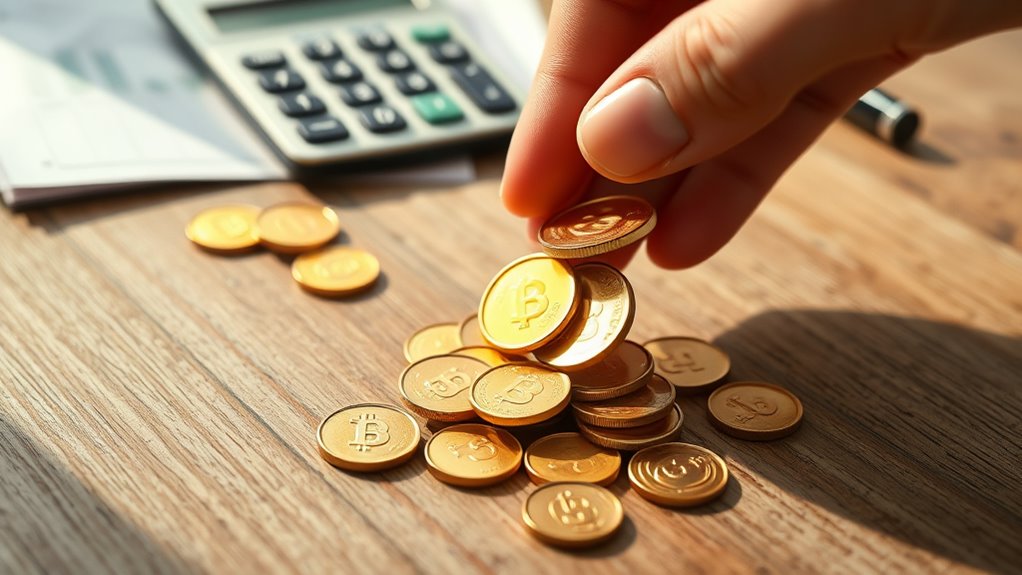
Dollar-cost averaging is a simple investment strategy that involves regularly investing a fixed amount of money into an asset, regardless of its price. This approach helps you navigate market volatility by spreading out your purchases over time instead of trying to time the market perfectly. When prices are high, your fixed investment buys fewer shares; when prices dip, it buys more. Over the long term, this can lower your average purchase price and reduce the emotional stress often tied to investing in uncertain markets.
One of the main benefits of dollar-cost averaging is its ability to promote investment discipline. Instead of reacting to market fluctuations or attempting to predict short-term movements, you commit to a consistent schedule. This consistency prevents you from making impulsive decisions driven by fear or greed, common pitfalls in investing. You learn to stick with your plan, regardless of whether the market is soaring or plummeting, which is vital for building wealth over time.
Dollar-cost averaging fosters discipline by encouraging consistent investing regardless of market swings.
Market volatility can seem intimidating, especially when you see sudden drops or spikes in asset prices. But with dollar-cost averaging, you don’t have to worry about these ups and downs, because your strategy inherently accounts for them. When prices are volatile, your fixed investments will buy more shares when prices are low and fewer when prices are high, smoothing out the impact of short-term swings. This systematic approach can help you avoid the trap of trying to buy low and sell high, which is notoriously difficult to time accurately.
Moreover, dollar-cost averaging encourages a long-term perspective. You’re less likely to panic during downturns, because your focus remains on steady, incremental growth. Over time, this reduces the stress associated with market fluctuations and keeps you aligned with your financial goals. It’s particularly effective in markets with high volatility, where unpredictable swings can otherwise lead to emotional decision-making.
In addition to smoothing out your entry points and fostering discipline, dollar-cost averaging makes investing more accessible. You don’t need a large lump sum to start; you can begin with small, regular contributions. This approach democratizes investing, allowing you to build wealth gradually without the pressure of timing the market perfectly. As you continue this habit, you reinforce the discipline necessary for long-term success, turning market volatility from a challenge into an opportunity for steady growth. Additionally, understanding the Technical Aspects of Emailing can help you effectively communicate your investment approach and build trust with your audience or clients.
dollar-cost averaging investment app
As an affiliate, we earn on qualifying purchases.
As an affiliate, we earn on qualifying purchases.
Frequently Asked Questions
How Does Dollar-Cost Averaging Compare to Lump-Sum Investing?
You might wonder how dollar-cost averaging compares to lump-sum investing. While lump-sum investing can maximize gains if the market rises, it exposes you to market timing risks and emotional investing, which can lead to poor decisions. Dollar-cost averaging spreads your investments over time, reducing stress and avoiding impulsive moves. This steady approach helps you stay disciplined and potentially minimizes losses during market downturns.
What Are the Best Assets for Dollar-Cost Averaging?
Think of your investments as a garden; choosing the right assets helps it flourish. For dollar-cost averaging, consider assets with steady growth and lower volatility, like index funds or bonds. These options offer investment diversification and reduce risk during turbulent times. By regularly investing in such assets, you smooth out market fluctuations and build wealth steadily, like tending a garden patiently, ensuring long-term growth without stress.
Can Dollar-Cost Averaging Work During Market Downturns?
During market downturns, dollar-cost averaging can still work because it helps you avoid trying to time the market, which often leads to emotional investing. By consistently investing a fixed amount, you buy more shares when prices are low and fewer when prices are high. This strategy reduces stress and prevents rash decisions, allowing you to stay disciplined and benefit from long-term growth despite market volatility.
How Often Should I Invest When Using Dollar-Cost Averaging?
Think of your investments as planting seeds; the more regularly you water, the better your garden grows. For dollar-cost averaging, your investment frequency should align with your financial rhythm—monthly or quarterly works well for most. Consistent timing strategies help smooth out market fluctuations, reducing stress and risk. Stick to a schedule that fits your budget and lifestyle, so your wealth can grow steadily without the rollercoaster of trying to time the market perfectly.
Are There Any Hidden Fees or Costs With Dollar-Cost Averaging?
When you invest regularly, you might face hidden costs like transaction fees or account minimums. Some brokers charge fees each time you buy, which can eat into your returns. Make sure to check if your account has minimum deposit requirements or if there are free investment options. By understanding these potential costs, you can avoid surprises and keep your dollar-cost averaging strategy cost-effective.
As an affiliate, we earn on qualifying purchases.
Conclusion
So, by adopting dollar-cost averaging, you’re practically turning into a financial superhero, effortlessly conquering market chaos and crushing volatility. It’s like having a magic wand that makes investing stress-free, predictable, and unstoppable. Stick with it, and you’ll watch your wealth grow faster than a rocket to the moon. No more sleepless nights or panic-selling—just steady, unstoppable progress toward long-term riches. Get ready to transform your financial future into an unstoppable, wealth-building powerhouse!
As an affiliate, we earn on qualifying purchases.
As an affiliate, we earn on qualifying purchases.
Fall Picks
fall essentials
As an affiliate, we earn on qualifying purchases.