
TL;DR

Get the latest gadgets delivered free with Prime
- Fast, free delivery on millions of items
- Prime Video, Amazon Music and more included
- Member-only deals all year
A new AI-powered tool enables solo performers like speakers and magicians to generate comprehensive, single-page show-day run sheets from email threads and contracts. This innovation aims to improve accuracy, save time, and streamline event management, with early testing underway among professional acts.
An AI-driven tool is being developed to generate single-page show-day run sheets for solo performers from email threads, contracts, and other event documents. This innovation addresses common logistical challenges faced by professional speakers, magicians, and specialty acts, offering a streamlined workflow that could reduce errors and save preparation time. Early testing with select performers is underway, with promising results so far.
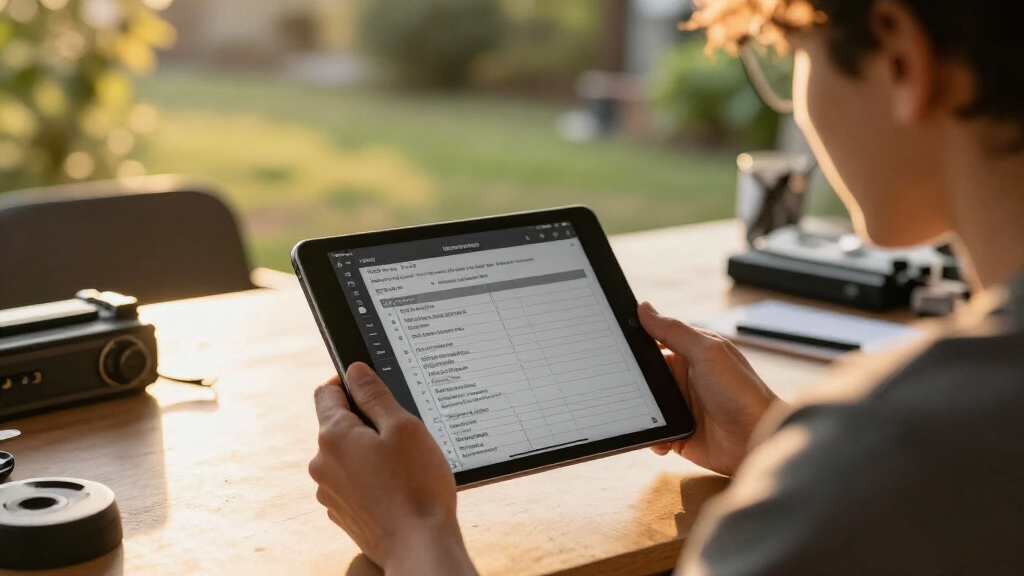
The proposed tool, based on recent advancements in large language models (LLMs), allows performers to forward all relevant event communications—emails, contracts, rider details, and updates—to a dedicated email address. The system then automatically compiles a comprehensive, easy-to-read show-day run sheet on a single page, including details such as venue information, contacts, schedule, rider specifications, payment status, travel notes, and assistant tasks.
One of the key benefits highlighted by developers is the system’s ability to identify conflicts or discrepancies between different versions of documents or schedules, flagging these issues for the performer before the event. This aims to eliminate last-minute surprises and reduce the manual effort traditionally involved in preparing for a performance day. The tool’s MVP (minimum viable product) focuses on automating the assembly process and syncing changes across documents, making it accessible for solo acts managing multiple gigs.
Market testing is planned with twenty professional performers, who will use the system to prepare for their next ten gigs. Success metrics include the reduction of discrepancies, the accuracy of the generated run sheets, and conversion rates for subscription sign-ups. The business model involves a monthly subscription fee per performer, with tiered pricing for teams or assistants involved in event management.
Why Automated Run Sheets Are a Game-Changer for Solo Acts
This development could significantly improve the efficiency and reliability of event preparation for solo performers, who often juggle multiple gigs with fragmented information sources. By automating the compilation of detailed run sheets, performers can reduce the risk of oversight, ensure all logistical details are up-to-date, and spend more time focusing on their performance rather than administrative tasks. If successful, this tool could become a standard part of the solo performer’s toolkit, especially as AI continues to mature in the event management space.
Furthermore, the ability to catch discrepancies early could prevent costly mistakes, such as booking conflicts or missing rider requirements, which have historically caused last-minute scrambling. This innovation aligns with broader trends toward automation and AI-driven workflows in the entertainment and speaking industries, offering a scalable solution for solo acts managing multiple events simultaneously.
As an affiliate, we earn on qualifying purchases.
Logistical Challenges in Solo Performance Planning
Professional speakers, magicians, and specialty acts often face complex logistical challenges in preparing for each event. Their information is typically scattered across multiple emails, contracts, rider documents, and communication threads. These documents frequently change or are updated last minute, making manual compilation time-consuming and error-prone. Traditionally, performers rely on spreadsheets, checklists, or manual note-taking to organize their schedules and requirements, which can lead to mistakes or oversights.
Recent advancements in AI, particularly large language models, have made it possible to extract relevant details from diverse text sources reliably. This technological progress has opened the door for tools that can automate the creation of comprehensive event summaries, reducing manual effort and increasing accuracy. The concept of a single-page run sheet is a response to these needs, aiming to condense all critical information into a single, easy-to-reference document.
Early prototypes and pilot programs are testing the viability of such systems, with some promising results reported by developers. The focus remains on ensuring the tool’s reliability, conflict detection, and ease of use for solo performers who often lack dedicated administrative staff.
event planning checklist for solo performers
As an affiliate, we earn on qualifying purchases.
As an affiliate, we earn on qualifying purchases.
Unresolved Questions About System Reliability and Adoption
It is still unclear how accurately the system will handle complex or poorly formatted documents, or how well it will integrate with existing booking and management tools. The pilot phase is ongoing, and early feedback suggests promising results, but comprehensive data on error rates and user satisfaction is not yet available. Additionally, the scalability of the solution for larger teams or more complex events remains to be tested.
professional performer schedule organizer
As an affiliate, we earn on qualifying purchases.
As an affiliate, we earn on qualifying purchases.
Next Steps for Validation and Broader Deployment
The next phase involves onboarding twenty professional performers to test the system during their upcoming gigs. Data collected will evaluate the accuracy of generated run sheets, the system’s ability to flag conflicts, and overall user satisfaction. Based on these results, developers plan to refine the AI algorithms, improve user interface features, and expand functionalities. A broader rollout could follow within the next six to twelve months, contingent on pilot success.
As an affiliate, we earn on qualifying purchases.
Key Questions
How does the system extract information from emails and contracts?
The system uses advanced language models trained to identify and extract key details such as dates, contact info, rider specifications, and schedule items from text documents and email threads.
Can this tool handle last-minute changes or updates?
Yes, the system is designed to sync with new information and flag conflicts, helping performers update their run sheets quickly and accurately.
Is this tool suitable for large production teams or only solo acts?
Initially, the focus is on solo performers and small teams, but the architecture could be scaled for larger organizations in the future.
What are the costs associated with using this system?
The business model involves a monthly subscription fee per performer, with tiered options for team members or assistants.
When will this system be generally available?
Following successful pilot testing, a broader release is expected within the next six to twelve months, depending on user feedback and further development.
Source: IdeaNavigator AI
Halloween Picks
halloween
As an affiliate, we earn on qualifying purchases.