
For most buyers, I’d start with the 14-inch MacBook Pro with M5: it pairs current-generation performance with a more capable display and ports than the Air. The 13-inch MacBook Air with M5 is the lighter everyday choice, while the 16-inch MacBook Pro with M5 Pro suits demanding workloads and larger projects. The main tradeoffs are portability versus screen space, Air simplicity versus Pro features, and newer hardware versus lower-spec renewed models. Older Intel and M1 options may fit narrower budgets, but their age and limited memory or storage make them less flexible long term. Read on for how each of these 15 MacBooks fits a different kind of buyer.

Get the latest gadgets delivered free — and shop member deals
- Fast, free delivery on millions of items
- Access to Prime Big Deal Days deals on October 6–7
- Prime Video, Amazon Music and more included
Complete the kit



Key Takeaways
- The M5 models lead the lineup: current Air and Pro configurations offer the strongest fit for buyers who want newer hardware and more room to grow.
- The 14-inch M5 Pro is the premium performance pick: its 24GB memory, 1TB SSD, and higher-core chip give demanding creative and technical work more headroom than the standard M5 models.
- Screen size changes the Air decision: the 15-inch M5 Air gives more workspace, while the 13-inch version is easier to carry; buyers can choose between them without stepping up to a Pro.
- Configuration matters as much as model age: several renewed M1 and Intel options have only 8GB memory or 128GB storage, which can limit multitasking and local files.
- Renewed Intel MacBooks are specialist choices, not default recommendations: they may suit specific legacy needs, but the newer Apple silicon models are the stronger general-purpose choices in this group.










| MacBook | Storage | Display | Memory | Battery life |
|---|---|---|---|---|
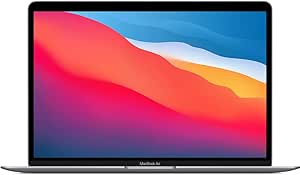
| Apple MacBook Air 13.3-inch | 256GB SSD | 13.3-inch LCD, 2560 × 1600, 60 Hz | 8GB | Up to 18 hours in description; 15 hours in specifications |
| Apple MacBook Air 15-inch with | 512GB SSD | 15.3-inch Liquid Retina; listed resolution is inconsistent | 32GB | Up to 18 hours |
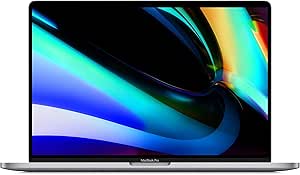
| Apple MacBook Pro 16-inch | 512GB SSD | 16-inch Retina, 3072 × 1920 | 16GB DDR4, 2666 MHz | 11 hours |
| Apple 2020 MacBook Pro 13-inch | 512GB SSD | 13.3-inch Retina, 2560 × 1600 | 16GB LPDDR4 | Up to 10 hours |
| Apple 2025 MacBook Pro 14.2-in | 512GB SSD | 14.2-inch Liquid Retina XDR | 16GB unified memory | — |
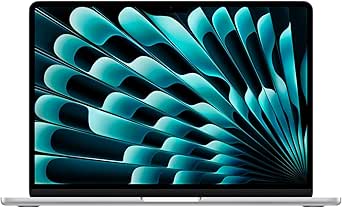
| Apple MacBook Air 13-inch with | 512GB SSD | 13.6-inch Liquid Retina | — | Up to 18 hours |
| Apple MacBook Neo 13-inch Lapt | 512GB SSD | 13-inch Liquid Retina | — | Up to 16 hours |
| Apple MacBook Pro 14-inch | 512GB SSD | 14-inch Liquid Retina XDR, 3024 × 1964 | 16GB | — |
| Apple MacBook Air | 128GB SSD | 13.3-inch Retina LED, 2560 × 1600, True Tone | 8GB LPDDR4X | Up to 11 hours |
| Apple MacBook Pro 16.2-inch wi | 1TB SSD | 16.2-inch Liquid Retina XDR | — | — |
| Apple MacBook Air 15-inch with | 512GB SSD | 15.3-inch Liquid Retina | 16GB unified memory | Up to 18 hours |
| Apple MacBook Air 13.3-inch | 128GB SSD | 13.3-inch Retina, 2560 × 1600 | 8GB | Up to 18 hours |
| Apple 2025 MacBook Pro 14.2-in | 1TB SSD | 14.2-inch Liquid Retina XDR; up to 1600 nits peak brightness | 16GB unified memory | — |
| Apple MacBook Air | 256GB SSD | 13.6-inch Liquid Retina, 2560 × 1664, 500 nits | 8GB unified memory | Up to 18 hours of video playback |
| Apple MacBook Pro 13-inch | 256GB SSD | 13-inch Retina LCD, 2560 × 1600, 60 Hz | 8GB DDR3 SDRAM | Up to 10 hours |
More Details on Our Top Picks
Apple MacBook Air 13.3-inch (2020) with M1 Chip, 8GB RAM, 256GB SSD, Space Gray (Renewed)
The M1 MacBook Air remains a capable choice for everyday browsing, writing, video calls, and light creative work, with a sharp 13.3-inch display and a backlit keyboard. Its 256GB SSD gives you more room for apps and files than the 128GB M1 Air elsewhere in this roundup. Compared with the newer 15-inch M5 MacBook Air, though, it has a smaller screen, less memory, and an older chip, so it is a weaker fit for heavy multitasking or long-term demanding workloads. The fanless Air design is portable and quiet, but this listing is renewed, and the stated battery-life figures conflict: the description says up to 18 hours while the specifications say 15. I’d choose it for basic use only after checking the seller’s return and battery terms.
Pros:- M1 chip suits everyday productivity and common apps
- 256GB SSD offers more storage than the 128GB M1 Air listing
- 13.3-inch 2560 × 1600 display in a compact design
- Backlit keyboard and stereo speakers
Cons:- 8GB of memory can constrain heavier multitasking
- Renewed condition and 90-day limited warranty offer less assurance than a new MacBook
- Battery-life details conflict between the description and specifications
Best for: Students and home users who want a compact MacBook for web, documents, streaming, and routine calls, and are comfortable buying a renewed model.
Not ideal for: People who keep many demanding apps open, need a large display, or want clear battery-condition details and a new-device warranty.
- Chip:Apple M1, up to 3.1 GHz
- Memory:8GB
- Storage:256GB SSD
- Display:13.3-inch LCD, 2560 × 1600, 60 Hz
- Graphics:Integrated Apple graphics
- Battery life:Up to 18 hours in description; 15 hours in specifications
- Weight:3.8 pounds
- Condition and warranty:Renewed; 90-day limited warranty
Our verdict“Choose this renewed M1 Air for routine tasks and compact portability, but favor a newer Air if you need more memory, screen space, or confidence in battery condition.”
Apple MacBook Air 15-inch with M5 Chip, 32GB Memory, 512GB SSD, Midnight
This 15-inch M5 MacBook Air pairs a roomy 15.3-inch Liquid Retina display with 32GB of memory, making it the Air in this group best equipped for juggling large projects and many open apps. That extra memory separates it from the 14-inch M5 MacBook Pro with 16GB, while the larger screen gives documents and timelines more space without moving up to a heavier 16-inch Pro. Its up to 18-hour battery life and 1.51 kg listed weight suit mobile work, and the 12MP Center Stage camera is a useful call upgrade. The tradeoff is that it lacks the Pro’s XDR display and broader port selection: it has two Thunderbolt 4 ports, MagSafe, and a headphone jack. Product details also give inconsistent display-resolution information, so verify the exact configuration before buying.
Pros:- 32GB memory is generous for multitasking and larger workflows
- 15.3-inch Liquid Retina display provides more workspace than 13-inch Air models
- Up to 18 hours of stated battery life
- 12MP Center Stage camera and Wi-Fi 7 connectivity
Cons:- Fewer built-in connection options than the 14-inch M5 MacBook Pro
- Product details list inconsistent display-resolution information
- No touchscreen is listed
Best for: Mobile professionals and creative users who want a large workspace, substantial memory for multitasking, and Air portability rather than Pro-class display and ports.
Not ideal for: Buyers who need an XDR display, built-in HDMI or SDXC, or verified display-resolution details before purchase.
- Chip:Apple M5, 10-core CPU and 10-core GPU
- Memory:32GB
- Storage:512GB SSD
- Display:15.3-inch Liquid Retina; listed resolution is inconsistent
- Battery life:Up to 18 hours
- Weight:1.51 kg
- Camera:12MP Center Stage
- Ports and wireless:Two Thunderbolt 4 ports, MagSafe, headphone jack, Wi-Fi 7, and Bluetooth 6
Our verdict“Pick this Air if you want a big screen and 32GB of memory in a mobile laptop, but choose the 14-inch M5 Pro for XDR visuals and more built-in ports.”
Apple MacBook Pro 16-inch (Late 2019), Intel Core i7, 16GB RAM, 512GB SSD, Space Gray (Renewed)
The renewed 16-inch Intel MacBook Pro earns a place for buyers who prioritize a large, high-resolution display and dedicated graphics over owning a newer Apple silicon model. Its six-core Core i7, 16GB of memory, and Radeon Pro 5300M provide a more capable graphics setup than the integrated graphics in the 2020 Intel 13-inch MacBook Pro, while the 512GB SSD gives practical room for work files. But this is a 2019 machine, and the newer M5 MacBook Pro models offer a more current platform and newer connectivity. At four pounds, it is also the least convenient pick here for frequent travel. I’d treat the renewed condition as a real buying risk and check software support, battery health, and return terms before choosing it over a newer MacBook.
Pros:- 16-inch Retina display offers a large 3072 × 1920 workspace
- Six-core Intel Core i7 and 16GB memory suit many established workflows
- Radeon Pro 5300M includes 4GB of dedicated graphics memory
- 512GB SSD and four listed USB ports
Cons:- Older Intel platform is less current than the M5 MacBook Pro models
- Four-pound weight makes it less portable than the 13-inch options
- Renewed condition can mean uncertain battery health and prior wear
Best for: Buyers who need a large Retina workspace and discrete graphics for compatible legacy workflows, and who accept the risks of a renewed Intel Mac.
Not ideal for: Frequent travelers, buyers seeking a current Apple silicon MacBook, or anyone who depends on a long support runway and predictable battery condition.
- Model year:2019
- Processor:2.6 GHz 6-core Intel Core i7-9750H
- Memory:16GB DDR4, 2666 MHz
- Storage:512GB SSD
- Display:16-inch Retina, 3072 × 1920
- Graphics:AMD Radeon Pro 5300M with 4GB GDDR6
- Battery life:11 hours
- Weight and condition:4 pounds; renewed
Our verdict“Choose this renewed 16-inch Pro only if its large display and discrete graphics matter more to your workflow than a newer chip, lighter build, and lower refurbishment risk.”
Apple 2020 MacBook Pro 13-inch, Intel Core i5, 16GB RAM, 512GB SSD, Space Gray (Renewed)
With 16GB of memory and a 512GB SSD, this renewed 2020 13-inch Pro offers more headroom and storage than the renewed M1 Air in this batch, which has 8GB and 256GB. It is a sensible fit for buyers who need an Intel Mac for particular software or established workflows and prefer a compact Retina display to the 16-inch 2019 Pro. The 2.0GHz Intel Core i5 and integrated Iris Plus graphics, however, place it behind the M5 MacBook Pro for newer demanding workloads, while its stated battery life is up to 10 hours. A fingerprint reader and backlit keyboard add everyday convenience, but this is still a renewed machine, so condition and battery performance can vary. Choose it for memory and compatibility needs, not as the strongest long-term MacBook.
Pros:- 16GB memory provides more multitasking headroom than the 8GB M1 Air
- 512GB SSD offers useful local storage
- 13.3-inch Retina display in a 3.1-pound design
- Backlit keyboard and fingerprint reader
Cons:- Intel Core i5 and integrated graphics are less suitable for demanding modern workloads than the M5 Pro
- Up to 10 hours of stated battery life trails newer MacBook options
- Renewed status means battery condition and cosmetic wear may vary
Best for: People who need a compact Intel MacBook Pro for specific legacy apps and want 16GB memory and 512GB storage.
Not ideal for: Buyers seeking modern Apple silicon performance, long battery life, or a new device with predictable condition.
- Model year:2020
- Processor:2.0GHz Intel Core i5
- Memory:16GB LPDDR4
- Storage:512GB SSD
- Display:13.3-inch Retina, 2560 × 1600
- Graphics:Integrated Intel Iris Plus Graphics
- Battery life:Up to 10 hours
- Ports and condition:Four listed USB ports; Thunderbolt and USB Type-C; renewed
Our verdict“This renewed 13-inch Pro fits buyers tied to Intel software who want more memory and storage than the M1 Air, but most new-workflow buyers should favor Apple silicon.”
Apple 2025 MacBook Pro 14.2-inch with M5 Chip, 16GB Memory, 512GB SSD – Space Black
This 14.2-inch M5 MacBook Pro is the most balanced Pro pick here for buyers who want a strong display and flexible connections without stepping up to the larger 16-inch model. Its Liquid Retina XDR screen, with up to 1600 nits peak brightness and a 1,000,000:1 contrast ratio, is better suited to HDR work and bright environments than the Liquid Retina panel on the 15-inch M5 MacBook Air. Three Thunderbolt 4 ports plus HDMI and SDXC also reduce the need for adapters. Against that Air, the Pro trades a lighter, simpler design for a more capable display and broader port selection. Its 16GB memory and 512GB SSD are adequate for many creative workflows, but buyers with large media libraries may want the listed 1TB M5 Pro alternative. Its main drawback here is limited product-specific information about ownership experience.
Pros:- Liquid Retina XDR display supports high brightness and strong contrast
- Three Thunderbolt 4 ports plus HDMI and SDXC reduce adapter dependence
- M5 chip with 16GB unified memory for demanding everyday creative work
- 12MP Center Stage camera and support for up to two external displays
Cons:- 512GB SSD may be limiting for large video, photo, or project libraries
- Compared with the 15-inch M5 Air, it gives up a larger screen for its Pro display and port benefits
- Provided product details do not specify battery hours or user-reported ownership drawbacks
Best for: Photographers, video editors, and mobile professionals who want an XDR display and HDMI and SDXC connections in a portable Pro.
Not ideal for: People who mainly do everyday tasks, want the lighter Air design, or need more than 512GB of built-in storage.
- Chip:Apple M5, 10-core CPU
- Graphics:10-core GPU
- Memory:16GB unified memory
- Storage:512GB SSD
- Display:14.2-inch Liquid Retina XDR
- Brightness and contrast:Up to 1600 nits peak, up to 1000 nits sustained, 1,000,000:1 contrast ratio
- Camera:12MP Center Stage
- Ports and external displays:Three Thunderbolt 4, MagSafe 3, SDXC, HDMI, headphone jack; supports up to two external displays
Our verdict“Pick this 14-inch Pro for XDR visuals and built-in HDMI and SDXC, but choose the 15-inch M5 Air for a larger screen or the 1TB Pro alternative for more internal storage.”
Apple MacBook Air 13-inch with M5 Chip, 16GB Memory, 512GB SSD, Silver
For a portable MacBook that can handle everyday work without the limits of an entry-level configuration, I’d put this 13-inch MacBook Air first. Its M5 chip, 16GB of memory, and 512GB SSD give it more room for multitasking and files than the 8GB MacBook Neo, while the 2.71-pound design is easier to carry than the 16-inch MacBook Pro. The 13.6-inch Liquid Retina display and up-to-18-hour battery life suit students, commuters, and general office use; MagSafe also leaves both Thunderbolt 4 ports available while charging. It can drive up to two external displays, a useful step beyond a basic travel laptop. The tradeoff is that its two Thunderbolt ports limit direct connections, and demanding creative work is better matched to the MacBook Pro’s stronger hardware and larger XDR screen.
Pros:- M5 chip, 16GB memory, and 512GB SSD suit everyday multitasking and provide useful storage headroom.
- At 2.71 pounds, it is easier to carry than the 16-inch MacBook Pro.
- Battery life is rated up to 18 hours.
- MagSafe charging, Wi-Fi 7, and support for up to two external displays add flexibility.
Cons:- Only two Thunderbolt 4 ports are available for wired accessories and displays.
- The 13.6-inch screen is less spacious than the 16.2-inch MacBook Pro display.
- Battery runtime varies with workload.
Best for: Students and mobile professionals who want a current, lightweight MacBook for multitasking, video calls, and everyday work, with enough memory and storage to avoid an entry-level setup.
Not ideal for: Video editors, 3D creators, and buyers who regularly connect several wired accessories; the Pro models offer a more capable workstation setup and broader ports.
- Chip:Apple M5
- Display:13.6-inch Liquid Retina
- Unified memory:16GB
- Storage:512GB SSD
- Battery life:Up to 18 hours
- Camera:12MP Center Stage
- Ports:Two Thunderbolt 4, MagSafe charging, headphone jack
- Weight:2.71 pounds
Our verdict“Choose this Air if you want a capable, highly portable MacBook for everyday work, but pick a Pro for sustained creative workloads or a larger built-in display.”
Apple MacBook Neo 13-inch Laptop with A18 Pro Chip, 8GB Memory, 512GB SSD, Liquid Retina Display, Touch ID, Silver
The MacBook Neo is the simplest fit here for a first-time Mac buyer who mainly needs a laptop for browsing, documents, video calls, and other light daily tasks. Its 13-inch Liquid Retina display, Touch ID, and 1080p camera cover the basics without the larger footprint of the 16-inch MacBook Pro. The 512GB SSD is a practical advantage over the renewed 2020 Intel MacBook Air, whose 128GB drive leaves much less room for files. The Neo’s 8GB of unified memory, however, is its defining compromise: it gives less headroom for heavy multitasking than the M5 MacBook Air’s 16GB. Its A18 Pro chip and Apple Intelligence features make it a more current choice than older Intel Airs, but buyers planning demanding creative work should step up to the M5 Air or Pro instead.
Pros:- 512GB SSD offers substantially more listed storage than the renewed 2020 Intel MacBook Air with 128GB.
- Touch ID adds convenient biometric login.
- 1080p FaceTime HD camera, dual microphones, and side-firing speakers suit calls and media.
- Apple Intelligence features and an aluminum enclosure bring a current feature set.
Cons:- 8GB of unified memory leaves less multitasking headroom than the 16GB M5 MacBook Air.
- Its A18 Pro configuration is a less suitable pick than the MacBook Pro models for demanding creative workloads.
- Up-to-16-hour battery life is shorter on paper than the M5 MacBook Air’s rating.
Best for: First-time Mac buyers, students, and home users focused on web, schoolwork, streaming, and video calls who want Touch ID and a 512GB SSD.
Not ideal for: People who keep many demanding apps open, edit large media projects, or want extra memory headroom; the M5 MacBook Air has 16GB.
- Chip:Apple A18 Pro
- Display:13-inch Liquid Retina
- Unified memory:8GB
- Storage:512GB SSD
- Battery life:Up to 16 hours
- Camera:1080p FaceTime HD
- Biometric security:Touch ID
- Weight:2.71 pounds
Our verdict“Pick the Neo for straightforward everyday Mac use with Touch ID and ample listed storage, but choose the M5 Air if you expect heavier multitasking.”
Apple MacBook Pro 14-inch (2021), M1 Pro, 16GB RAM, 512GB SSD, Space Gray (Renewed)
This renewed 14-inch MacBook Pro earns a place for buyers who want a workstation-style feature set in a smaller chassis than the 16-inch M5 Pro model. The M1 Pro chip, 16GB of memory, and 14-core GPU are a stronger fit for demanding creative work than the M5 MacBook Air, while its Liquid Retina XDR display offers a high-resolution 3024 × 1964 workspace. A six-speaker system and multiple connectivity options also make it better equipped for media work than the simpler Air designs. Its age matters: this is a 2021 model, and renewed condition may vary, so it is not the safest choice for someone seeking a new machine or the latest platform. Compared with the 16-inch M5 Pro, it is more compact but has older silicon and less listed memory and storage.
Pros:- M1 Pro with an 8-core CPU and 14-core GPU is suited to demanding creative workflows.
- 14-inch Liquid Retina XDR display has a 3024 × 1964 resolution.
- Six-speaker audio system and 1080p camera support media work and calls.
- Multiple connectivity options offer more flexibility than the two-port M5 MacBook Air.
Cons:- Renewed condition may vary from unit to unit.
- The 2021 M1 Pro platform is older than the M5 MacBook Pro models in this roundup.
- Its 16GB memory and 512GB SSD are more limited than the 16-inch M5 Pro’s 24GB and 1TB.
Best for: Creative professionals and experienced Mac buyers willing to choose a renewed 14-inch machine for its XDR display, M1 Pro configuration, and substantial connectivity.
Not ideal for: Buyers who want a new MacBook, the latest chip generation, or the larger memory and storage configuration of the 16-inch M5 Pro model.
- Model year:2021
- Processor:Apple M1 Pro, 8-core CPU
- GPU:14-core Apple M1 Pro GPU
- Display:14-inch Liquid Retina XDR, 3024 × 1964
- Memory:16GB
- Storage:512GB SSD
- Camera:1080p FaceTime HD
- Weight:1.6 kg
Our verdict“Choose this renewed Pro if you value an XDR display and creative-work features in a 14-inch format, but favor the newer M5 Pro for a current high-end setup.”
Apple MacBook Air (2020), 13.3-inch, Intel Core i3, 8GB RAM, 128GB SSD, Space Gray (Renewed)
This renewed 2020 Intel MacBook Air is a narrow-fit choice for buyers whose needs are limited to basic browsing, documents, and video calls. Its 13.3-inch Retina display with True Tone, backlit Magic Keyboard, and Touch ID provide familiar Mac conveniences, while the 2.8-pound weight keeps it portable. But its 128GB SSD and 8GB memory are tight beside the MacBook Neo’s 512GB SSD and the M5 MacBook Air’s 16GB memory. The Intel Core i3 also makes it a less compelling choice for heavier workloads than the Apple-silicon options in this roundup. The renewed condition and 90-day limited warranty add a layer of uncertainty. I’d shortlist it only for a buyer who specifically needs a basic Mac laptop and can work within its modest storage and memory.
Pros:- 13.3-inch Retina display includes True Tone.
- Backlit Magic Keyboard and Touch ID cover useful everyday features.
- 2.8-pound weight makes it reasonably portable.
- Stated battery life is up to 11 hours.
Cons:- 128GB SSD provides little space for large apps, projects, and local files.
- 8GB memory and an Intel Core i3 are less suited to demanding multitasking than the M5 Air.
- Renewed condition may vary, and the listed warranty is limited to 90 days.
Best for: A budget-conscious buyer needing a lightweight Mac for basic web use, writing, and video calls, with modest local file needs.
Not ideal for: Students or professionals juggling many apps, keeping large media libraries, or seeking a current platform; the Neo and M5 Air offer more listed storage or memory.
- Model year:2020
- Processor:1.1 GHz Intel Core i3
- Graphics:Intel Iris Plus integrated graphics
- Display:13.3-inch Retina LED, 2560 × 1600, True Tone
- Memory:8GB LPDDR4X
- Storage:128GB SSD
- Battery life:Up to 11 hours
- Warranty:90-day limited warranty
Our verdict“Consider this renewed Air only for basic Mac tasks and modest storage needs; the Neo or M5 Air is a better fit for broader everyday use.”
Apple MacBook Pro 16.2-inch with M5 Pro, 18-core CPU, 20-core GPU, 24GB Memory, 1TB SSD, Wi-Fi 7 – Space Black
For sustained creative and AI workloads, this 16-inch MacBook Pro is the most workstation-focused choice in this group. Its M5 Pro chip, 18-core CPU, 20-core GPU, and 24GB of unified memory give demanding apps more resources than the M5 MacBook Air or the renewed 2021 M1 Pro MacBook Pro. The 16.2-inch Liquid Retina XDR display supplies a much larger workspace than either 13-inch Air, while the 1TB SSD leaves more room for project files than the 512GB configurations. Thunderbolt 5, HDMI, SDXC, and MagSafe 3 reduce dependence on adapters. The cost of that capability in daily use is physical: at 4.71 pounds and 0.66 inches thick, it is far less convenient to carry than the 2.71-pound M5 Air. It makes most sense as a powerful work machine, not a frequent-travel companion.
Pros:- M5 Pro with an 18-core CPU and 20-core GPU is configured for demanding workloads.
- 24GB unified memory and a 1TB SSD provide more headroom than the listed Air configurations.
- 16.2-inch Liquid Retina XDR display offers a spacious, high-contrast workspace.
- Thunderbolt 5, HDMI, SDXC, and MagSafe 3 support varied connections.
Cons:- At 4.71 pounds, it is substantially heavier than the 13-inch M5 MacBook Air.
- Its 16.2-inch chassis is less convenient for tight workspaces and frequent travel.
Best for: Video editors, developers, and creative professionals who run demanding applications, need a large built-in display, and value abundant memory, storage, and ports.
Not ideal for: Commuters and students prioritizing a light everyday laptop; the 2.71-pound M5 MacBook Air is much easier to carry.
- Chip:Apple M5 Pro
- CPU:18-core
- GPU:20-core
- Display:16.2-inch Liquid Retina XDR
- Unified memory:24GB
- Storage:1TB SSD
- Ports:Three Thunderbolt 5, MagSafe 3, SDXC card slot, HDMI, headphone jack
- Weight:4.71 pounds
Our verdict“Choose this MacBook Pro for demanding work that benefits from a large XDR screen and powerful specifications, but take the M5 Air for a more portable daily laptop.”
Apple MacBook Air 15-inch with M5 chip, 16GB memory, 512GB SSD, and Liquid Retina display (Midnight)
I’d choose this Air when screen space matters more than having the lightest MacBook. Its 15.3-inch Liquid Retina display gives documents, split-screen work, and video a roomier canvas than the 13-inch M5 Air, while the M5 chip and 16GB of memory make it a stronger fit for demanding everyday work than the older renewed M2 and M1 Airs here. The thin 3.32-pound design keeps that larger screen reasonably portable, and MagSafe charging leaves both Thunderbolt ports available while plugged in.
The tradeoff is expandability: 512GB of storage may feel tight for large creative libraries, and the built-in connection options are limited without a hub. Choose the 14-inch M5 MacBook Pro instead if you need its brighter XDR screen and broader port selection; pick this Air for a larger workspace in a simpler, lighter design.
Pros:- 15.3-inch display offers a more spacious workspace than the 13-inch Air models.
- M5 chip and 16GB unified memory suit demanding daily multitasking.
- Up to 18 hours of battery life supports long days away from an outlet.
- MagSafe, Wi-Fi 7, Center Stage camera, and support for up to two external displays.
Cons:- 512GB SSD can constrain large media or project libraries.
- Only two Thunderbolt 4 ports, so connected accessories may call for a hub.
- Larger footprint is less convenient than the 13-inch Air for tight bags and workspaces.
Best for: Students and mobile professionals who regularly work with multiple windows and want a large display without a MacBook Pro.
Not ideal for: Video editors with large local project libraries or users who need multiple built-in ports and a high-brightness XDR display.
- Display:15.3-inch Liquid Retina
- Processor:Apple M5
- Memory:16GB unified memory
- Storage:512GB SSD
- Battery life:Up to 18 hours
- Ports:Two Thunderbolt 4, MagSafe charging port, headphone jack
- Wireless:Wi-Fi 7, Bluetooth 6
- Weight:3.32 pounds
Our verdict“Choose this model for a roomy MacBook Air with current-generation performance, but opt for the 14-inch M5 Pro if display quality and ports matter more.”
Apple MacBook Air 13.3-inch (2020, M1, 8GB RAM, 128GB SSD, Space Gray, Renewed)
This renewed M1 Air is the most basic route into macOS among these picks, and its 2.8-pound body and sharp Retina display still suit web browsing, writing, and video calls. The M1 chip remains a more sensible everyday foundation than the Intel Core i5 in the renewed 2019 MacBook Pro, while the backlit keyboard and Touch ID provide useful conveniences missing from some older machines. Its stated battery life of up to 18 hours also makes it a credible lightweight companion, subject to the condition of a renewed unit.
The main limitation is hard to overlook: 128GB of storage leaves little room for apps and offline files, and 8GB of memory narrows its headroom for heavier multitasking. The newer renewed M2 Air offers a larger display and twice the listed storage, making this M1 best for buyers whose tasks and files are modest. I’d skip it for long-term creative work or a large media collection.
Pros:- M1 chip offers a modern Apple silicon option compared with the older Intel MacBook Pro.
- Light 2.8-pound design is easy to carry.
- Retina display, backlit Magic Keyboard, and Touch ID.
- Advertised battery life of up to 18 hours.
Cons:- 128GB SSD is restrictive for apps, downloads, and local media.
- 8GB memory limits comfortable headroom for heavier multitasking.
- Renewed condition and 90-day limited warranty bring more uncertainty than a new MacBook.
Best for: First-time Mac buyers, students, and light-use travelers who mainly browse, write, and use cloud storage.
Not ideal for: People who keep large files locally, run demanding creative software, or want a newer machine with more storage and memory.
- Model year:2020
- Display:13.3-inch Retina, 2560 × 1600
- Processor:Apple M1, 8-core CPU
- Graphics:7-core Apple GPU
- Memory:8GB
- Storage:128GB SSD
- Battery life:Up to 18 hours
- Condition and warranty:Renewed; 90-day limited warranty
Our verdict“Pick this renewed M1 Air for basic portable computing if you can work within 128GB of storage and accept the shorter warranty.”
Apple 2025 MacBook Pro 14.2-inch with M5, 16GB Memory, 1TB SSD – Space Black
I’d rank this 14-inch MacBook Pro above the Air models for buyers who need a better built-in display and fewer compromises when connecting gear. Its Liquid Retina XDR screen, with peak brightness up to 1600 nits, is better suited to bright viewing conditions and high-contrast content than the 15-inch M5 Air’s standard Liquid Retina display. The SDXC slot, HDMI, and three Thunderbolt 4 ports also make it easier to plug in cameras, displays, and accessories without immediately reaching for an adapter. M5 processing, 16GB memory, and a 1TB SSD round out a capable everyday creative setup.
That extra flexibility comes with a heavier, thicker chassis than the Air, and 16GB of unified memory may limit headroom for unusually demanding professional workloads. It supports up to two external displays, the same stated maximum as the 15-inch Air, so it isn’t a multi-monitor upgrade. Choose the Air if portability and a larger screen matter more; choose this Pro for XDR quality, storage, and built-in connections.
Pros:- Liquid Retina XDR display reaches up to 1600 nits peak brightness.
- 1TB SSD offers more room for projects than the 512GB Air models.
- HDMI, SDXC, MagSafe, and three Thunderbolt 4 ports reduce adapter dependence.
- Supports up to two external displays and includes a 12MP Center Stage camera.
Cons:- Heavier and thicker than the MacBook Air models.
- 16GB unified memory may constrain especially demanding professional workloads.
- External display support is limited to two displays.
Best for: Photographers, video creators, and office professionals who want an XDR screen, 1TB of storage, and built-in card and HDMI connections.
Not ideal for: Buyers prioritizing the lightest laptop, a larger built-in screen, or more than 16GB of unified memory.
- Display:14.2-inch Liquid Retina XDR; up to 1600 nits peak brightness
- Processor:Apple M5, 10-core CPU
- Graphics:10-core GPU
- Memory:16GB unified memory
- Storage:1TB SSD
- Ports:Three Thunderbolt 4, MagSafe 3, SDXC card slot, HDMI, headphone jack
- External display support:Up to two displays
- Camera:12MP Center Stage
Our verdict“Choose this Pro over the M5 Airs if you need the XDR display and built-in ports, but look to a higher-memory Pro for more intensive workloads.”
Apple MacBook Air (2022) with M2 Chip, 13.6-Inch Display, 8GB RAM, 256GB SSD, Starlight (Renewed)
This renewed M2 Air is a more balanced everyday choice than the renewed M1 Air in this group: it has a 13.6-inch Liquid Retina display and 256GB of storage, twice the listed capacity of that older 2020 model. At 2.7 pounds, it stays easy to carry, while MagSafe lets you charge without occupying either Thunderbolt 3 port. The 500-nit display and stated video playback of up to 18 hours make it a practical fit for students and commuters who want a compact laptop for routine work.
Its age and configuration still matter. 8GB of memory can feel limiting with many demanding apps open, and the renewed unit includes a 90-day limited warranty. Compared with the new 13-inch M5 Air, this model gives up newer processing, Wi-Fi 7, and more memory; compared with the renewed M1, it offers a larger, brighter screen and more storage. Choose it for a portable daily Mac, not sustained heavy workloads.
Pros:- Light 2.7-pound design suits commuting and travel.
- 13.6-inch Liquid Retina display offers 500 nits and P3 wide color.
- 256GB SSD provides more room than the renewed M1 Air’s 128GB drive.
- MagSafe charging preserves two Thunderbolt 3 ports for accessories.
Cons:- 8GB unified memory can restrict multitasking and demanding applications.
- Renewed condition and 90-day limited warranty offer less reassurance than a new model.
- Older M2 platform lacks the newer M5 Air’s current-generation features.
Best for: Students and commuters seeking a light, compact MacBook for classwork, office tasks, browsing, and streaming.
Not ideal for: Buyers who need more than 8GB of memory, long-term warranty coverage, or newer M5 performance and connectivity.
- Model year:2022
- Display:13.6-inch Liquid Retina, 2560 × 1664, 500 nits
- Processor:Apple M2, 8-core CPU
- Memory:8GB unified memory
- Storage:256GB SSD
- Battery life:Up to 18 hours of video playback
- Ports:MagSafe, two Thunderbolt 3 ports, headphone jack
- Weight:2.7 pounds
- Warranty:90-day limited warranty
Our verdict“Pick this renewed M2 Air for light, portable everyday use and a better screen and storage allowance than the renewed M1, but not for demanding workloads.”
Apple MacBook Pro 13-inch (2019), Intel Core i5, 8GB RAM, 256GB SSD, Space Gray (Renewed)
This renewed 2019 MacBook Pro has a narrow place in a MacBook shortlist: it may suit someone who specifically needs an older Intel-based Mac or wants a compact laptop with a Retina display and Touch ID. Its 256GB SSD is more usable than the 128GB drive in the renewed M1 Air, and the 13-inch screen includes True Tone. But its 8th-generation Intel Core i5 and 8GB of RAM make it a weaker choice for general future-facing use than either the M1 or M2 Air, both of which use Apple silicon.
The two Thunderbolt ports also leave little room for peripherals without adapters, and the stated battery life of up to 10 hours is below the Air models’ advertised figures. The Touch Bar sets it apart, but it is not a reason to choose this over a newer M5 MacBook Pro, which has a brighter XDR screen, more ports, and a newer chip. I’d reserve this renewed Pro for buyers with a specific compatibility need and modest workloads.
Pros:- 13-inch Retina display includes True Tone.
- Touch ID provides fingerprint-based login.
- 256GB SSD has more capacity than the renewed M1 Air’s 128GB drive.
- Compact 2.6-pound design.
Cons:- Older 8th-generation Intel processor is a less appealing choice than the M1 and M2 Air chips.
- 8GB RAM limits room for heavier multitasking.
- Two Thunderbolt ports and up to 10 hours of battery life trail newer MacBook options.
Best for: Mac users who specifically need an older Intel-based laptop for legacy software or compatibility with an existing Intel workflow.
Not ideal for: Most students, everyday laptop buyers, and creative professionals who can use Apple silicon and want longer battery life or more ports.
- Model year:2019
- Display:13-inch Retina LCD, 2560 × 1600, 60 Hz
- Processor:8th-generation Intel Core i5, 1.4 GHz
- Memory:8GB DDR3 SDRAM
- Storage:256GB SSD
- Graphics:Intel Iris Plus Graphics 645
- Battery life:Up to 10 hours
- Ports:Two Thunderbolt ports with USB-C
- Condition and warranty:Renewed; 90-day limited warranty
Our verdict“Choose this renewed MacBook Pro only if you specifically need Intel compatibility; for general use, the renewed M1 or M2 Air is a more compelling fit.”

How We Picked
I ranked these MacBooks by how well their listed configurations fit real buyer needs: everyday responsiveness, memory and storage headroom, screen size, portability, and suitability for demanding work. I gave newer Apple silicon models an advantage for general use and longer-term flexibility, while weighing each model against its actual configuration rather than its family name alone. A 13-inch Air and a 16-inch Pro solve different problems, so size and workload shape the ranking as much as raw performance.
I also accounted for the tradeoffs of renewed and older Intel models. Their role depends on whether a buyer needs a lower-spec entry point or compatibility with a particular older workflow; age, smaller drives, and limited memory reduce their appeal for broad use. When two entries share a chip and screen size, I treat larger storage or memory as a practical advantage, not a reason to assume every buyer needs the upgrade. The order favors versatility first, then specialized performance, screen preference, and narrower budget or legacy use cases.
Factors to Consider When Choosing Best MacBooks
Choosing among these MacBooks is less about finding one universally best machine and more about matching the configuration to your workload and habits. I’d make the decision in this order: how much performance you need, how much you carry, and how much space your files and apps require.
Choose Air or Pro by workload, not by name
An Air is a sensible fit for everyday tasks such as browsing, writing, video calls, and light creative work. A Pro makes more sense when your regular work involves demanding editing, development, or sustained heavy multitasking, where extra performance features can matter more than a thinner, simpler design. A common mistake is buying a Pro for occasional tasks that an Air can handle comfortably. The opposite mistake is choosing an Air for work that regularly pushes a laptop hard and then expecting the model name to compensate. I’d pay for the Pro when the workload repeatedly calls for it, not just as insurance against an undefined future need.
Decide how much screen space you need to carry
The 13-inch Air prioritizes a compact footprint, while the 15-inch Air gives documents, timelines, and side-by-side windows more room. A larger screen can reduce reliance on an external monitor, but it takes more bag space and is less convenient for cramped desks or frequent travel. The 14-inch Pro is a middle ground in screen size with a more performance-focused design, while the 16-inch Pro favors workspace over portability. Think about where you work most often, not only the diagonal measurement. If you regularly connect to a monitor, a smaller laptop may be the easier everyday choice.
Buy enough memory for how you multitask
Memory affects how comfortably a laptop can keep many apps, browser tabs, and large projects active at once. The 8GB configurations in this lineup are better suited to lighter use than to demanding multitasking or long-lived professional workloads. Moving to 16GB or more can provide useful headroom, especially if you edit media, work with large files, or keep several applications open. Don’t assume a familiar model name means two configurations will perform alike; check the memory listed for the exact machine. If your workload is modest and predictable, extra memory may matter less than choosing the right screen and storage.
Treat storage as a workflow choice
A smaller internal drive can feel restrictive once apps, downloads, photos, and project files accumulate. Cloud storage and external drives can help, but they add dependence on connectivity or extra equipment. The 128GB renewed models in this group call for especially careful planning, while 512GB and 1TB configurations leave more room for local files. Buyers who work with video, large photo libraries, or offline documents should prioritize capacity before paying for a cosmetic or size difference. If most files live in the cloud and the laptop handles light tasks, a smaller drive may be workable.
Compare renewed and older models with a longer view
Renewed MacBooks can appear appealing when you want a lower entry point, but their age and configuration affect how long they remain a comfortable fit. The Intel models here are older than the Apple silicon options, and buyers should check compatibility with the apps and macOS versions their work requires. With any renewed device, review the seller’s condition details, battery terms, return policy, and included accessories before buying. A low-spec older laptop may cost less to acquire but become limiting sooner if your needs grow. I’d choose one only when its specific configuration and support situation match a clear use case.
Pay for capability you will use
Upgrading to a Pro chip, larger SSD, or bigger screen is worthwhile when it removes a recurring bottleneck. It is less useful when the work consists mainly of basic office tasks and web use. Start with the applications you run, the size of the files you handle, and whether you need the laptop display to replace a monitor. Avoid choosing a high-end configuration solely because it is the most powerful option in the list. The best fit is the one that gives your regular work enough headroom without adding features you rarely use.
Frequently Asked Questions
Should I choose an M5 MacBook Air or an M5 MacBook Pro?
I’d choose the Air for everyday work, portability, and a simpler setup; the Pro is a stronger match for demanding workloads and buyers who value its more capable display and ports. The chip name alone does not tell the whole story, since memory and storage also affect how well a configuration fits your work. If you mostly write, browse, and handle calls, the Air is likely the more practical fit. For frequent intensive editing, development, or other sustained work, the Pro is easier to justify. Compare the exact configurations before choosing between them.
Is 8GB of memory enough for a MacBook?
It can be enough for a light workload built around browsing, writing, streaming, and a modest number of open apps. Buyers who keep many tabs open, run creative tools, or work with large files may find 16GB or more a more comfortable choice. In this roundup, several older and renewed models pair 8GB with other limitations, so judging memory in isolation can be misleading. Think about the apps you use at the same time and how long you want the laptop to remain suitable. If you are unsure and your workload may grow, extra memory is a useful form of headroom.
Is a renewed Intel MacBook a sensible buy in 2027?
It can make sense for a buyer with a specific older-app or hardware requirement, provided the exact model still supports that workflow. For broad everyday use, the Apple silicon models in this roundup are the safer direction because the Intel entries are older and often have modest memory or storage. Check operating-system and app compatibility before making a decision, rather than assuming an older Mac will run everything you need. Review the renewed unit’s battery condition, return terms, and warranty details as well. If you have no legacy requirement, I’d compare newer Apple silicon options first.
Should I get the 13-inch or 15-inch MacBook Air?
Choose the 13-inch Air if you carry your laptop often or value a compact setup for travel and smaller desks. The 15-inch Air gives more room for split-screen work, documents, and creative interfaces without requiring a Pro model. The bigger display can reduce the need for an external monitor, but it adds bulk to a daily carry. Your work location matters: desk-based users may appreciate the extra workspace more than frequent commuters do. If you already use a large external display, the smaller model may be the better match.
How much storage should I choose for a MacBook?
Start by checking how much space your current apps and files use, then account for projects or media you expect to add. A 128GB drive can become restrictive if you keep photos, videos, or large work files on the laptop. A 512GB or 1TB configuration offers more room for local work, while cloud or external storage can help when your needs are lighter. External drives add another item to carry and manage, so they are not a perfect substitute for internal capacity. Buyers with large offline libraries or active creative projects should favor more storage.
Conclusion
For the best overall fit, I’d choose the 14-inch MacBook Pro with M5 for its balance of current performance and Pro features. The best value for everyday use is the 13-inch MacBook Air with M5, while the 15-inch M5 Air is the better pick if screen space matters more than compact carrying. For the best premium option, the 16-inch MacBook Pro with M5 Pro is aimed at demanding work that benefits from its larger display, memory, and storage. Beginners should start with an M5 Air rather than an older renewed model unless their needs are unusually limited. For a specific legacy workflow, an Intel MacBook may still fit, but I’d verify app compatibility and the renewed unit’s condition before choosing it.
Halloween Picks
halloween
As an affiliate, we earn on qualifying purchases.