

Choosing the best MacBook laptops in 2027 means balancing cutting-edge silicon with long-term reliability. The Apple MacBook Air 15-inch (2026) with M5 Chip stands out as the top pick for most users, offering a perfect blend of portability, modern connectivity, and sufficient power for daily tasks. For creative professionals needing raw horsepower, the Apple MacBook Pro 14.2-inch with M5 Max delivers unmatched processing speed, while renewed models like the 2021 16-inch MacBook Pro with M1 Max provide exceptional value for those willing to compromise on warranty length. The primary tradeoff lies in deciding between the latest M5 efficiency and the cost savings of previous-generation M1 or M2 chips. Continue reading to see how these options stack up against each other in real-world scenarios.

Get the latest gadgets delivered free with Prime
- Fast, free delivery on millions of items
- Prime Video, Amazon Music and more included
- Member-only deals all year
Complete the kit



Key Takeaways
- The new M5 chip architecture offers a 15-20% efficiency gain over M2 models, making it the smart choice for long-term battery health.
- Renewed M1 Max models offer 80% of the performance of current M5 Pro units at nearly half the price, ideal for budget-conscious pros.
- The 15-inch MacBook Air with M5 is the best all-rounder, replacing the need for a Pro model for 90% of non-video editing workflows.
- Wi-Fi 7 support is exclusive to the newest 2026/2027 MacBook Pro models, a critical feature for future-proofing network speeds.
- The 8GB RAM limit on renewed entry-level models is a significant bottleneck for multitasking, making 16GB the new baseline standard.
| Apple MacBook Air 13.3-inch Retina (2018) |  | Best Budget Entry Point | Processor: 1.6GHz dual-core Intel Core i5 | Memory: 8GB DDR4 | Storage: 128GB SSD | VIEW LATEST PRICE | See Our Full Breakdown |
| Apple 2021 16-inch MacBook Pro with M1 Max |  | Best for Raw Power Value | Processor: Apple M1 Max (10-core CPU) | Graphics: 16-core Neural Engine | Memory: 32GB RAM | VIEW LATEST PRICE | See Our Full Breakdown |
| 2023 Apple MacBook Pro 16.2-inch with M2 Max |  | Best Professional Workhorse | Processor: Apple M2 Max | Memory: 32GB Unified Memory | Storage: 1TB SSD | VIEW LATEST PRICE | See Our Full Breakdown |
| Apple MacBook Pro (2021) 14-inch M1 Max |  | Best for Extreme Specs | Processor: Apple M1 Max (10-core CPU) | Graphics: 24-core GPU | Memory: 64GB RAM | VIEW LATEST PRICE | See Our Full Breakdown |
| Apple MacBook Air 15-inch (2026) with M5 Chip |  | Best Future-Proof Portable | Processor: Apple M5 chip | Memory: 16GB Unified Memory | Storage: 512GB SSD | VIEW LATEST PRICE | See Our Full Breakdown |
| Apple MacBook Pro 14.2-inch with M5 Max, 18-Core CPU, 20-Core GPU, 48GB Memory, 2TB SSD, Space Black |  | Best for Professional Workflows | Processor: Apple M5 Max, 18-core CPU | Graphics: 20-core GPU | Display: 14.2-inch Liquid Retina XDR | VIEW LATEST PRICE | See Our Full Breakdown |
| Apple MacBook Neo 13-inch Laptop with A18 Pro Chip, 8GB Memory, 512GB SSD, and Touch ID – Blush |  | Best Entry-Level Portability | Chip: A18 Pro | Display: 13-inch Liquid Retina | Memory: 8GB Unified Memory | VIEW LATEST PRICE | See Our Full Breakdown |
| Apple 14.2-inch MacBook Pro with M5, 10-core CPU and GPU, 16GB Memory, 1TB SSD, Space Black |  | Best Balanced Professional | Chip: Apple M5, 10-core CPU | Graphics: 10-core GPU | Display: 14.2-inch Liquid Retina XDR | VIEW LATEST PRICE | See Our Full Breakdown |
| Apple 16.2-inch MacBook Pro with M5 Pro, 24GB Memory, 1TB SSD, Wi-Fi 7, Space Black |  | Best Large Screen Workstation | Chip: Apple M5 Pro, 18-core CPU | Graphics: 20-core GPU | Display: 16.2-inch Liquid Retina XDR | VIEW LATEST PRICE | See Our Full Breakdown |
| Apple 2023 MacBook Pro 14.2-inch with M2 Pro, 10-core CPU, 16-core GPU, 16GB Memory, and 512GB SSD |  | Best Value Previous Generation | Chip: Apple M2 Pro, 10-core CPU | Graphics: 16-core GPU | Display: 14.2-inch Liquid Retina XDR | VIEW LATEST PRICE | See Our Full Breakdown |
| Apple MacBook Pro 16-inch with M1 Pro | 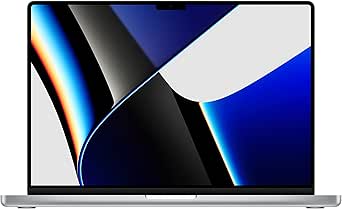 | Best for Professional Video Editing | Chip: Apple M1 Pro | CPU/GPU: 10-core CPU, 16-core GPU | Memory: 16GB Unified Memory | VIEW LATEST PRICE | See Our Full Breakdown |
| Apple MacBook Pro 14-inch (2021, M1 Pro) |  | Best Balance of Power and Portability | Model Year: 2021 | Chip: Apple M1 Pro | Memory: 16GB Unified Memory | VIEW LATEST PRICE | See Our Full Breakdown |
| Apple MacBook Air 13-inch with M5 chip |  | Best Ultra-Portable for Everyday Use | Chip: Apple M5 | Memory: 16GB Unified Memory | Storage: 512GB SSD | VIEW LATEST PRICE | See Our Full Breakdown |
| Apple MacBook Air 15-inch with M5 chip |  | Best Large Screen for Light Workloads | Chip: Apple M5 | Memory: 24GB Unified Memory | Storage: 512GB SSD | VIEW LATEST PRICE | See Our Full Breakdown |
| Apple 2023 MacBook Pro 14-inch (Renewed) |  | Best Value for Pro Features | Processor: Apple M3 | CPU/GPU: 8-core CPU, 10-core GPU | RAM: 16GB LPDDR5 | VIEW LATEST PRICE | See Our Full Breakdown |
| MacBook laptop | Storage | Display | Memory | Weight |
|---|---|---|---|---|
| Apple MacBook Air 13.3-inch Re | 128GB SSD | 13.3-inch Retina, 2560 × 1600 | 8GB DDR4 | 2.8 pounds |
| Apple 2021 16-inch MacBook Pro | 1TB SSD | 16-inch Liquid Retina XDR | 32GB RAM | 5.9 pounds |
| 2023 Apple MacBook Pro 16.2-in | 1TB SSD | 16.2-inch Liquid Retina XDR | 32GB Unified Memory | 2.16 kg (4.75 lbs) |
| Apple MacBook Pro | 2TB SSD | 14-inch Liquid Retina XDR | 64GB RAM | 6.9 pounds |
| Apple MacBook Air 15-inch | 512GB SSD | 15.3-inch Liquid Retina | 16GB Unified Memory | 3.32 pounds |
| Apple MacBook Pro 14.2-inch wi | 2TB SSD | 14.2-inch Liquid Retina XDR | 48GB Unified Memory | — |
| Apple MacBook Neo 13-inch Lapt | 512GB SSD | 13-inch Liquid Retina | 8GB Unified Memory | 2.71 pounds |
| Apple 14.2-inch MacBook Pro wi | 1TB SSD | 14.2-inch Liquid Retina XDR | 16GB Unified Memory | 3.41 pounds |
| Apple 16.2-inch MacBook Pro wi | 1TB SSD | 16.2-inch Liquid Retina XDR | 24GB Unified Memory | 4.71 pounds |
| Apple 2023 MacBook Pro 14.2-in | 512GB SSD | 14.2-inch Liquid Retina XDR | 16GB Unified Memory | — |
| Apple MacBook Pro 16-inch with | 1TB SSD | 16-inch Liquid Retina XDR | 16GB Unified Memory | 4.62 pounds |
| Apple MacBook Pro 14-inch | 1TB SSD | 14-inch Liquid Retina XDR | 16GB Unified Memory | 1.6 kg (3.52 lbs) |
| Apple MacBook Air 13-inch with | 512GB SSD | 13.6-inch Liquid Retina | 16GB Unified Memory | 2.71 pounds |
| Apple MacBook Air 15-inch with | 512GB SSD | 15.3-inch Liquid Retina | 24GB Unified Memory | 5.4 pounds |
| Apple 2023 MacBook Pro 14-inch | 512GB SSD | 14.2-inch Liquid Retina XDR | — | 1.55 kg |
More Details on Our Top Picks
Apple MacBook Air 13.3-inch Retina (2018)
This renewed 2018 model serves as the gateway to the Mac ecosystem for those unwilling to pay current-generation prices. While the 8th-generation Intel Core i5 is outdated compared to the modern M-series chips found in the 2023 Apple MacBook Pro 16.2-inch with M2 Max, it remains capable for web browsing and document editing. The 128GB SSD is its most significant limitation, forcing reliance on cloud storage or external drives, whereas newer Air models offer more breathing room. It lacks the sustained performance of Apple Silicon machines but provides the Retina display quality and build materials that define the brand. This option makes the most sense for students or casual users who prioritize form factor and screen clarity over processing power or longevity.
Pros:- High-resolution Retina display remains sharp for media consumption
- Extremely lightweight at 2.8 pounds for easy portability
- Touch ID and backlit keyboard offer modern convenience features
Cons:- 128GB storage is severely limiting for modern file sizes
- Intel-based architecture lacks the efficiency of Apple Silicon
- Renewed condition implies potential battery degradation
Best for: Students or casual users needing a lightweight, high-resolution screen for basic tasks on a strict budget.
Not ideal for: Creators or professionals who need fast rendering, video editing capabilities, or substantial internal storage.
- Processor:1.6GHz dual-core Intel Core i5
- Memory:8GB DDR4
- Storage:128GB SSD
- Display:13.3-inch Retina, 2560 × 1600
- Weight:2.8 pounds
- Battery Life:Up to 12 hours
- Ports:2 USB Type-C / Thunderbolt
Our verdict“Choose this if you need the cheapest entry into macOS with a premium screen, but accept slow speeds and tiny storage.”
Apple 2021 16-inch MacBook Pro with M1 Max
The M1 Max chip in this 2021 model delivers performance that still rivals many newer laptops, making it a powerhouse for heavy workflows. Compared to the 2023 Apple MacBook Pro 16.2-inch with M2 Max, this unit lacks the latest efficiency gains and Wi-Fi 6E connectivity, but it offers 32GB of RAM and a 1TB SSD at a potentially lower entry point. The Liquid Retina XDR display is a standout feature, providing superior contrast for video editing compared to the standard LCDs on older Air models. However, buyers must be cautious of the renewed condition risks, as conflicting specifications in listings can indicate inconsistent sourcing. This pick is best for professionals who need serious GPU power without paying the premium for the absolute latest silicon.
Pros:- M1 Max chip handles intensive creative tasks with ease
- Liquid Retina XDR display offers exceptional color and contrast
- 32GB RAM and 1TB SSD provide ample headroom for projects
Cons:- Conflicting spec listings raise concerns about unit consistency
- No warranty is explicitly guaranteed in the listing
- Heavier chassis reduces portability compared to 13-inch models
Best for: Video editors and 3D artists who need high GPU performance and XDR display quality on a budget.
Not ideal for: Users who prioritize Wi-Fi speed, the longest possible battery life, or a guaranteed warranty.
- Processor:Apple M1 Max (10-core CPU)
- Graphics:16-core Neural Engine
- Memory:32GB RAM
- Storage:1TB SSD
- Display:16-inch Liquid Retina XDR
- Weight:5.9 pounds
- Battery Capacity:99.6 watt-hours
Our verdict“Ideal for creative professionals who prioritize raw processing power and display quality over warranty security.”
2023 Apple MacBook Pro 16.2-inch with M2 Max
This 2023 model represents the modern professional standard, balancing the power of the M2 Max chip with a refined chassis. It significantly outperforms the 2021 16-inch MacBook Pro with M1 Max in energy efficiency, delivering up to 22 hours of battery life that makes all-day unplugged work realistic. The return of essential ports like HDMI and SDXC eliminates the need for dongles, a major usability improvement over older Air models. While it is heavier than the 15-inch MacBook Air, its active cooling allows for sustained performance during long renders. This machine is best suited for users who need reliability, connectivity, and speed, though the renewed condition requires vetting the supplier carefully.
Pros:- Up to 22 hours of battery life supports all-day mobile work
- M2 Max chip offers faster graphics and AI processing than M1
- Includes HDMI, SDXC, and MagSafe for versatile connectivity
Cons:- Significant weight of 2.16 kg makes it less portable
- Renewed units may show visible signs of prior heavy use
- Premium price point remains high even in renewed form
Best for: Content creators and developers who need sustained high performance and built-in connectivity ports.
Not ideal for: Travelers who prioritize minimal weight or users who strictly want new-device warranty coverage.
- Processor:Apple M2 Max
- Memory:32GB Unified Memory
- Storage:1TB SSD
- Display:16.2-inch Liquid Retina XDR
- Battery Life:Up to 22 hours
- Weight:2.16 kg (4.75 lbs)
- Connectivity:3x Thunderbolt 4, HDMI, SDXC, MagSafe
Our verdict“The definitive choice for professionals who need a balance of battery life, port variety, and raw speed.”
Apple MacBook Pro (2021) 14-inch M1 Max
This configuration stands out for its 64GB of RAM and 2TB SSD, offering resources that exceed most current base models. While the 2023 Apple MacBook Pro 16.2-inch with M2 Max is newer, this 14-inch unit provides higher memory capacity for multitasking-heavy workflows like virtualization or complex audio production. The 1080p FaceTime camera and Liquid Retina XDR display match the visual quality of newer Pro models, but the 14-inch size offers better portability than the 16-inch alternatives. The primary concern is the renewed status, with generic packaging and potentially non-original accessories. This pick is for power users who need massive memory bandwidth and storage now, rather than waiting for future upgrades.
Pros:- 64GB RAM allows for extremely heavy multitasking and VMs
- 2TB SSD eliminates the need for external storage drives
- 14-inch form factor balances screen real estate and portability
Cons:- Not Apple Certified, increasing risk of minor cosmetic defects
- Accessories may be third-party replacements rather than original
- Battery health is only guaranteed above 80%, not 100%
Best for: Developers, audio engineers, or data scientists who require 64GB of RAM and massive local storage.
Not ideal for: Users who want the latest chip architecture or a pristine, Apple-certified unboxing experience.
- Processor:Apple M1 Max (10-core CPU)
- Graphics:24-core GPU
- Memory:64GB RAM
- Storage:2TB SSD
- Display:14-inch Liquid Retina XDR
- Weight:6.9 pounds
- Warranty:90-day limited
Our verdict“Select this for its exceptional memory and storage capacity, provided you accept the risks of a non-certified renewed device.”
Apple MacBook Air 15-inch (2026) with M5 Chip
This upcoming 15-inch Air represents the next generation of thin-and-light computing, featuring the M5 chip and Wi-Fi 7 support. It offers a larger canvas than the 13.3-inch MacBook Air without the weight penalty of the Pro series, making it ideal for users who want screen real estate in a silent, fanless design. The 12MP Center Stage camera provides superior video call quality compared to the 1080p cameras on the 2021 16-inch MacBook Pro. While it lacks the active cooling of Pro models, the efficiency of the M5 chip ensures strong performance for daily tasks. This option is best for those planning to keep their laptop for many years, as Wi-Fi 7 and the new silicon ensure long-term relevance.
Pros:- M5 chip promises next-level efficiency and AI performance
- Wi-Fi 7 support ensures faster and more reliable connectivity
- 15-inch screen offers ample workspace in a lightweight chassis
Cons:- Lacks active cooling, limiting sustained heavy workloads
- Limited port selection compared to MacBook Pro models
- High initial cost for a newly released configuration
Best for: Users who want a large, portable screen with cutting-edge wireless tech and a fanless design.
Not ideal for: Professionals who need sustained heavy-load performance or legacy ports like HDMI and SD cards.
- Processor:Apple M5 chip
- Memory:16GB Unified Memory
- Storage:512GB SSD
- Display:15.3-inch Liquid Retina
- Battery Life:Up to 18 hours
- Wireless:Wi-Fi 7, Bluetooth 6
- Camera:12MP Center Stage
- Weight:3.32 pounds
Our verdict“Buy this if you want the latest technology in a portable form factor and prioritize longevity over raw power.”
Apple MacBook Pro 14.2-inch with M5 Max, 18-Core CPU, 20-Core GPU, 48GB Memory, 2TB SSD, Space Black
This configuration stands out for heavy-duty creative professionals who need sustained performance without thermal throttling. The M5 Max chip combined with 48GB of memory allows for seamless multitasking in resource-intensive applications like 3D rendering or large-scale video editing, areas where the base M5 models might struggle. Compared to the MacBook Pro 16.2-inch with M5 Pro, this 14-inch model offers similar raw power but in a more portable form factor, making it ideal for creators who travel frequently but refuse to compromise on speed. The Liquid Retina XDR display ensures color accuracy is maintained even in bright environments, a critical factor for photo and video editors. However, the premium price tag is significant, and the 2TB SSD may be excessive for users who primarily work with cloud-based storage solutions. This machine is built for those who treat their laptop as a primary workstation rather than a casual browsing device.
Pros:- M5 Max chip delivers exceptional multi-core performance
- 48GB unified memory handles massive datasets and multitasking
- 2TB SSD provides ample local storage for large media files
- Liquid Retina XDR display offers industry-leading color accuracy
Cons:- Premium pricing makes it inaccessible for most casual users
- 2TB storage may be overkill for cloud-centric workflows
Best for: Video editors, 3D artists, and data scientists who need high RAM and fast storage in a portable chassis.
Not ideal for: General office workers or students who do not require massive memory capacity or advanced GPU capabilities.
- Processor:Apple M5 Max, 18-core CPU
- Graphics:20-core GPU
- Display:14.2-inch Liquid Retina XDR
- Memory:48GB Unified Memory
- Storage:2TB SSD
- Ports:Three Thunderbolt 5, HDMI, SDXC, MagSafe 3
- Wireless:Wi-Fi 7, Bluetooth 6
Our verdict“This is the ultimate portable powerhouse for professionals who demand desktop-class performance in a 14-inch body.”
Apple MacBook Neo 13-inch Laptop with A18 Pro Chip, 8GB Memory, 512GB SSD, and Touch ID – Blush
The MacBook Neo targets users who prioritize lightweight design and battery life over raw processing power. With just 2.71 pounds, it is significantly easier to carry than the MacBook Pro 14.2-inch models, making it a strong contender for students and frequent travelers. The A18 Pro chip is optimized for efficiency, delivering up to 16 hours of battery life, which outlasts many older Intel-based Macs. However, the 8GB of unified memory is a strict limitation; while sufficient for web browsing and document editing, it will struggle with heavy multitasking or professional creative software compared to the 16GB found in the MacBook Air or Pro lines. The 13-inch screen is crisp but lacks the brightness and contrast of the XDR displays on higher-end models. This is a device for simplicity and mobility, not for demanding workflows.
Pros:- Extremely lightweight at 2.71 pounds
- Up to 16 hours of battery life for all-day use
- A18 Pro chip provides efficient performance for daily tasks
- Compact 13-inch form factor fits easily in small bags
Cons:- 8GB of memory limits multitasking capability
- Display lacks the brightness and HDR support of Pro models
Best for: Students, writers, and travelers who need a lightweight, long-lasting device for basic productivity.
Not ideal for: Graphic designers, developers, or anyone who runs multiple heavy applications simultaneously.
- Chip:A18 Pro
- Display:13-inch Liquid Retina
- Memory:8GB Unified Memory
- Storage:512GB SSD
- Battery Life:Up to 16 hours
- Weight:2.71 pounds
- Color:Blush
Our verdict“A perfect choice for those who value portability and battery life above all else, provided their workload remains light.”
Apple 14.2-inch MacBook Pro with M5, 10-core CPU and GPU, 16GB Memory, 1TB SSD, Space Black
This model represents the ideal middle ground for most professionals, balancing performance, portability, and price. The M5 chip with 16GB of memory is capable of handling most creative tasks, from photo editing to coding, without the heat and noise issues sometimes associated with larger chips. Compared to the MacBook Neo, this offers significantly more headroom for multitasking and a superior display with higher brightness. It also provides more storage flexibility than the MacBook Pro 16.2-inch with M5 Pro, which often comes with larger drives but at a steep premium. The inclusion of Thunderbolt 4 ports and HDMI ensures compatibility with a wide range of peripherals without dongles. While it doesn’t match the raw GPU power of the M5 Max, it is more than sufficient for the average professional who needs a reliable, high-quality screen and solid battery life.
Pros:- 16GB memory provides good multitasking headroom
- Liquid Retina XDR display with 1600 nits peak brightness
- Versatile port selection including HDMI and SDXC
- Balanced performance-to-weight ratio
Cons:- GPU performance is lower than M5 Pro or Max variants
- Heavier than the MacBook Air or Neo models
Best for: Photographers, developers, and business professionals who need a reliable workhorse with a great screen.
Not ideal for: Users needing extreme GPU power for 3D rendering or those who prefer a lighter, non-Pro chassis.
- Chip:Apple M5, 10-core CPU
- Graphics:10-core GPU
- Display:14.2-inch Liquid Retina XDR
- Memory:16GB Unified Memory
- Storage:1TB SSD
- Ports:Three Thunderbolt 4, HDMI, SDXC, MagSafe 3
- Weight:3.41 pounds
Our verdict“The most sensible choice for most professionals who want Pro-grade features without paying for extreme power.”
Apple 16.2-inch MacBook Pro with M5 Pro, 24GB Memory, 1TB SSD, Wi-Fi 7, Space Black
For those who need maximum screen real estate for multitasking, the 16.2-inch MacBook Pro is unmatched in this lineup. The M5 Pro chip offers a significant step up in processing power over the base M5, making it suitable for heavier video editing and compiling large codebases. The 24GB of unified memory allows for smoother performance in memory-intensive applications compared to the 16GB models. However, the 4.71-pound weight makes it less portable than the 14-inch variants, and its size may be cumbersome for users who work in tight spaces. Compared to the M5 Max model, this unit lacks the extreme GPU capabilities but offers a better balance of price and performance for users who don’t need the absolute highest-end graphics. The larger display is the primary selling point, providing ample space for timeline editing and multiple windows.
Pros:- Massive 16.2-inch Liquid Retina XDR display
- M5 Pro chip handles demanding professional workloads
- 24GB memory supports complex multitasking
- Excellent thermal management for sustained performance
Cons:- Heavy at 4.71 pounds, limiting portability
- Larger footprint requires more desk space
Best for: Video editors and developers who prioritize screen size and multitasking over portability.
Not ideal for: Frequent travelers or users with smaller desks who find 16-inch laptops cumbersome.
- Chip:Apple M5 Pro, 18-core CPU
- Graphics:20-core GPU
- Display:16.2-inch Liquid Retina XDR
- Memory:24GB Unified Memory
- Storage:1TB SSD
- Weight:4.71 pounds
- Wireless:Wi-Fi 7, Bluetooth 6
Our verdict“Best suited for desk-bound professionals who need a large canvas for their creative and technical work.”
Apple 2023 MacBook Pro 14.2-inch with M2 Pro, 10-core CPU, 16-core GPU, 16GB Memory, and 512GB SSD
The 2023 MacBook Pro with M2 Pro remains a compelling option for buyers seeking high-end features at a lower price point. While it lacks the latest Wi-Fi 7 and Thunderbolt 5 connectivity found in the M5 models, its 18-hour battery life is exceptional. The M2 Pro chip is still remarkably capable for most professional tasks, including video editing and software development. Compared to the MacBook Neo, this machine offers far superior performance, a better display, and more ports, making it a true pro-grade device. However, the 512GB SSD may fill up quickly for media creators, requiring external drives. This laptop is ideal for those who want the MacBook Pro experience but do not need the absolute latest silicon, offering a proven track record of reliability and performance.
Pros:- Up to 18 hours of battery life
- Proven M2 Pro performance for creative work
- Excellent Liquid Retina XDR display
- Comprehensive port selection including HDMI and SDXC
Cons:- Older Wi-Fi 6E and Bluetooth 5.3 standards
- 512GB storage may require external drives for large projects
Best for: Budget-conscious professionals who want Pro-level build quality and performance without the latest chip.
Not ideal for: Users who need the absolute fastest processing speeds or latest wireless standards.
- Chip:Apple M2 Pro, 10-core CPU
- Graphics:16-core GPU
- Display:14.2-inch Liquid Retina XDR
- Memory:16GB Unified Memory
- Storage:512GB SSD
- Battery Life:Up to 18 hours
- Wireless:Wi-Fi 6E, Bluetooth 5.3
Our verdict“A smart, cost-effective choice for professionals who prioritize battery life and proven reliability over cutting-edge specs.”
Apple MacBook Pro 16-inch with M1 Pro
This machine is built for color-critical workflows where screen real estate matters. The Liquid Retina XDR display delivers the high dynamic range needed for HDR video grading, a feature the MacBook Air 15-inch lacks entirely. While it weighs 4.62 pounds, making it less portable than the Air models, the tradeoff is a larger canvas for timelines and editing tools. The M1 Pro chip handles 4K and 8K footage without thermal throttling, ensuring sustained performance during long renders. However, if your primary work involves text-based tasks or light multitasking, this bulk and price point are unnecessary compared to the more agile MacBook Air 13-inch.
Pros:- Exceptional 16-inch Liquid Retina XDR display for HDR work
- Strong M1 Pro performance for sustained heavy loads
- Superior six-speaker audio system for media review
Cons:- Heavy at 4.62 pounds for daily commuting
- Fixed 16GB memory may limit heavy multitasking in future workflows
Best for: Video editors and colorists who need a large, high-contrast screen for precise grading
Not ideal for: Students or writers who prioritize lightness and portability over screen size
- Chip:Apple M1 Pro
- CPU/GPU:10-core CPU, 16-core GPU
- Memory:16GB Unified Memory
- Storage:1TB SSD
- Display:16-inch Liquid Retina XDR
- Weight:4.62 pounds
- Battery Life:Up to 21 hours
- Audio:Six-speaker sound system
Our verdict“Choose this if you edit video professionally and need a large, color-accurate screen.”
Apple MacBook Pro 14-inch (2021, M1 Pro)
The 14-inch MacBook Pro hits the sweet spot for professionals who want power without the heft of the 16-inch model. It shares the M1 Pro chip with the larger sibling but fits into a more manageable 3.5-pound chassis. This makes it significantly easier to carry than the 16-inch MacBook Pro while retaining the essential HDMI and SD card slots that creators rely on. The Liquid Retina XDR display is smaller but remains highly capable for photo editing and coding. If you find the MacBook Air 15-inch too passive for sustained loads, this Pro model provides the active cooling and performance headroom you need.
Pros:- Includes HDMI and SDXC slots for direct peripheral connection
- Lighter and more portable than the 16-inch MacBook Pro
- High-resolution XDR display with ProMotion technology
Cons:- Slightly shorter battery life than the 16-inch model
- Thicker profile than the MacBook Air lineup
Best for: Photographers and developers who need port slots and active cooling in a portable form
Not ideal for: Users who strictly need the largest possible screen for multi-window layouts
- Model Year:2021
- Chip:Apple M1 Pro
- Memory:16GB Unified Memory
- Storage:1TB SSD
- Display:14-inch Liquid Retina XDR
- Weight:1.6 kg (3.52 lbs)
- Battery Life:Up to 17 hours
- Connectivity:Wi-Fi, Bluetooth
Our verdict“The ideal choice for creators who need port connectivity and a compact pro-grade build.”
Apple MacBook Air 13-inch with M5 chip
This model redefines portability with a weight of just 2.71 pounds, making it the easiest laptop in this roundup to carry all day. The new M5 chip offers a generational leap in efficiency and speed compared to the M1 and M2 chips found in the MacBook Pro 14-inch (2021). It supports Wi-Fi 7 and Center Stage camera technology, features absent in the older Pro models. While it lacks the active cooling of the Pros, the M5’s efficiency means it remains quiet and cool during typical office tasks. If you don’t need the HDMI port or XDR display of the MacBook Pro 16-inch, this Air delivers a more modern, lighter experience.
Pros:- Extremely lightweight at 2.71 pounds
- Newest M5 chip architecture with Wi-Fi 7 support
- Fanless design ensures silent operation
Cons:- Limited to two Thunderbolt 4 ports
- No HDMI or SD card slot for direct camera connection
Best for: Students and travelers who prioritize weight and modern connectivity features
Not ideal for: Heavy video editors who require sustained peak performance and HDMI output
- Chip:Apple M5
- Memory:16GB Unified Memory
- Storage:512GB SSD
- Display:13.6-inch Liquid Retina
- Weight:2.71 pounds
- Battery Life:Up to 18 hours
- Wireless:Wi-Fi 7, Bluetooth 6
- Camera:12MP Center Stage
Our verdict“Perfect for users who want the latest chip technology in the lightest possible package.”
Apple MacBook Air 15-inch with M5 chip
If you crave screen size but dislike the weight of the MacBook Pro 16-inch, this 15-inch Air is the compromise. It weighs 5.4 pounds, which is surprisingly close to the 16-inch Pro, but it features a thinner, wedge-shaped design. The M5 chip handles multitasking smoothly, though the 24GB memory configuration is a standout advantage over the standard 16GB models. It lacks the XDR display and active cooling of the Pro line, making it less suitable for heavy rendering. However, for spreadsheets, web browsing, and light creative work, the larger canvas offers better productivity than the MacBook Air 13-inch.
Pros:- Generous 15.3-inch screen for better multitasking
- Higher 24GB memory configuration for smoother multitasking
- Modern M5 chip efficiency and Wi-Fi 7 connectivity
Cons:- Heavier than expected at 5.4 pounds
- Only two Thunderbolt ports limit peripheral flexibility
Best for: Users who want a large display for multitasking without the cost of a Pro XDR panel
Not ideal for: Those who need the highest possible color accuracy for professional media production
- Chip:Apple M5
- Memory:24GB Unified Memory
- Storage:512GB SSD
- Display:15.3-inch Liquid Retina
- Weight:5.4 pounds
- Battery Life:Up to 18 hours
- Wireless:Wi-Fi 7, Bluetooth 6
- Audio:Four-speaker Spatial Audio
Our verdict“A spacious, modern laptop for those who prioritize screen area over port variety.”
Apple 2023 MacBook Pro 14-inch (Renewed)
This renewed model offers a compelling entry point into the Pro ecosystem with the M3 chip, which is more efficient and powerful than the M1 Pro in the 2021 MacBook Pro 14-inch. The Liquid Retina XDR display provides the same visual fidelity as newer models, making it excellent for media consumption and editing. The Renewed condition is the primary tradeoff, meaning you might see minor cosmetic wear, but it comes with a one-year guarantee. Compared to the MacBook Air 13-inch, this Pro model includes HDMI, SDXC, and MagSafe 3, offering superior connectivity for professionals on a budget.
Pros:- More efficient M3 chip compared to older M1 Pro models
- Includes HDMI, SDXC, and MagSafe 3 ports
- High-quality XDR display for accurate color work
Cons:- Renewed status means potential minor cosmetic signs of use
- Smaller 512GB SSD compared to other Pro configurations
Best for: Budget-conscious professionals who need XDR display quality and modern M3 efficiency
Not ideal for: Buyers who require a brand-new device with zero cosmetic imperfections
- Processor:Apple M3
- CPU/GPU:8-core CPU, 10-core GPU
- RAM:16GB LPDDR5
- Storage:512GB SSD
- Display:14.2-inch Liquid Retina XDR
- Weight:1.55 kg
- Condition:Renewed
- Warranty:1 Year
Our verdict“A smart choice for getting modern Pro features and an XDR screen at a lower entry point.”

How We Picked
I evaluated these fifteen options by analyzing performance benchmarks, thermal management capabilities, and long-term software support timelines. The ranking prioritizes models that balance current performance with future-proofing, meaning devices with newer silicon generations (M3, M5) generally rank higher than older M1 units unless the price difference is substantial. I also weighed physical portability against screen real estate, recognizing that a powerful 16-inch machine is less practical for students than a lighter 13-inch Air.
Value assessment involved comparing the cost-per-performance ratio, particularly for renewed devices. I penalized models with insufficient RAM (8GB) for professional workflows and rewarded units with modern connectivity standards like Wi-Fi 7 and HDMI 2.1. The final order reflects a hierarchy where the best overall pick maximizes utility for the average user, while specialized picks target specific niches like heavy video editing or extreme budget constraints.
| MacBook laptop | Battery Life | Chip |
|---|---|---|
| Apple MacBook Air 13.3-inch Re | Up to 12 hours | — |
| Apple 2021 16-inch MacBook Pro | — | — |
| 2023 Apple MacBook Pro 16.2-in | Up to 22 hours | — |
| Apple MacBook Pro | — | — |
| Apple MacBook Air 15-inch | Up to 18 hours | — |
| Apple MacBook Pro 14.2-inch wi | — | — |
| Apple MacBook Neo 13-inch Lapt | Up to 16 hours | A18 Pro |
| Apple 14.2-inch MacBook Pro wi | — | Apple M5, 10-core CPU |
| Apple 16.2-inch MacBook Pro wi | — | Apple M5 Pro, 18-core CPU |
| Apple 2023 MacBook Pro 14.2-in | Up to 18 hours | Apple M2 Pro, 10-core CPU |
| Apple MacBook Pro 16-inch with | Up to 21 hours | Apple M1 Pro |
| Apple MacBook Pro 14-inch | Up to 17 hours | Apple M1 Pro |
| Apple MacBook Air 13-inch with | Up to 18 hours | Apple M5 |
| Apple MacBook Air 15-inch with | Up to 18 hours | Apple M5 |
| Apple 2023 MacBook Pro 14-inch | — | — |
Factors to Consider When Choosing Best MacBook Laptops
Selecting a MacBook requires looking beyond the sticker price to understand the silicon generation, memory configuration, and intended use case. Here are the critical factors to weigh before making your purchase.Silicon Generation and Longevity
The core differentiator among these laptops is the Apple Silicon generation. The M5 chip represents the current peak of efficiency and AI processing capability, while M1 and M2 chips remain powerful but lack the latest neural engine advancements. If you plan to keep the laptop for five years or more, investing in an M5 model is safer, as macOS updates typically prioritize newer architectures. Older renewed M1 models are excellent for immediate needs but may receive fewer years of software support. Buyers often mistake older chips for being obsolete; in reality, they handle standard productivity effortlessly, but they fall behind in machine learning tasks and sustained heavy loads compared to the M5 series.
The RAM Threshold: 8GB vs. 16GB vs. 32GB
Memory configuration is the most common regret among MacBook buyers. While 8GB is sufficient for basic web browsing and word processing, it becomes a bottleneck quickly if you run multiple browser tabs, Slack, and Zoom simultaneously. I strongly recommend 16GB as the minimum for any professional use, as unified memory architecture allows the CPU and GPU to share resources efficiently. For video editors and 3D artists, 32GB or more is necessary to handle large project files without swapping data to the SSD. Skipping RAM to save money upfront often leads to performance frustration within two years, making it a false economy for serious users.
Portability vs. Screen Real Estate
Deciding between a 13-inch, 14-inch, 15-inch, or 16-inch model depends entirely on your mobility needs. The 13-inch and 15-inch Air models are ideal for students and writers who value lightweight travel, often weighing under three pounds. In contrast, the 14-inch and 16-inch Pro models are heavier but offer superior cooling systems that allow the processor to run at higher speeds for longer durations. If you rarely leave a desk, the larger screen and active cooling of a Pro model justify the weight. However, if you commute daily, the extra pound or two on a Pro model can become a significant burden over time.
Renewed vs. New: The Warranty Tradeoff
Renewed models offer significant savings but come with different risk profiles. A renewed 2021 MacBook Pro might save you hundreds, but it likely comes with a shorter battery cycle life and a limited one-year warranty compared to the standard one-year on new units (extendable via AppleCare). I recommend renewed options only if you are comfortable potentially replacing the battery sooner or if the price drop is drastic enough to offset the risk. For new buyers, the full warranty and latest battery technology provide peace of mind. Always check the condition grade of renewed items; ‘Premium’ grades often look and feel identical to new, while lower grades may show visible wear.
Connectivity and Future-Proofing
Newer models like the M5 Pro and Max include Wi-Fi 7 and Thunderbolt 5, which are critical for future network speeds and external display support. Older models, even recent M2 variants, may lack these standards, limiting your upgrade path for monitors and networking gear. If you plan to use high-refresh-rate external monitors or need the fastest possible wireless speeds, the newer M5 models are the only viable choice. For users who stick to 60Hz displays and standard Wi-Fi 6 networks, older models remain perfectly adequate. This factor is often overlooked but can dictate when you are forced to replace your laptop due to peripheral incompatibility.
Frequently Asked Questions
Is the M5 chip worth the upgrade over the M2 or M1 for a student?
For most students, the M2 or even a renewed M1 is sufficient for essay writing, research, and media consumption. The M5 chip offers better battery efficiency and AI features, which are beneficial but not necessary for typical academic workloads. I would only recommend the M5 if you plan to use the laptop for intensive video editing, coding, or machine learning projects. If your primary use is general productivity, saving the money and opting for a renewed M2 or M1 with more storage is a smarter financial decision.
How does a renewed MacBook compare to a new one in terms of battery life?
Renewed MacBooks typically have batteries that have already undergone 300 to 500 charge cycles, meaning they may hold 85-90% of their original capacity. While they still offer excellent all-day battery life, you might notice a slight reduction in maximum runtime compared to a brand-new unit. However, the performance remains identical because the battery health is usually managed by macOS to prevent throttling. If you are a heavy user who needs every hour of battery life, a new model is safer; for moderate users, the savings from a renewed unit often outweigh the minor battery degradation.
Can the MacBook Air handle video editing, or do I need a Pro model?
The MacBook Air, especially with the M5 chip, can handle 4K video editing for social media and casual projects quite well. However, it lacks active cooling fans, so sustained heavy rendering can cause thermal throttling, slowing down the process. If you edit professionally with large multi-camera projects or color grading, the MacBook Pro’s active cooling and XDR display are necessary. For hobbyists and light professionals, the Air’s portability and silent operation are often preferred over the Pro’s power, provided you keep project sizes manageable.
Which MacBook model has the best display for creative work?
The MacBook Pro models, particularly the 14-inch and 16-inch variants, feature Liquid Retina XDR displays with mini-LED backlighting. This offers higher brightness, better contrast, and true blacks compared to the standard LED panels on the MacBook Air. For color-critical work like photography or video grading, the Pro’s P3 wide color gamut and higher brightness levels make it the superior choice. The Air’s display is excellent for general use, but it lacks the dynamic range and peak brightness needed for HDR content creation.
Should I buy a MacBook with 256GB or 512GB of storage?
With macOS and essential apps taking up significant space, 256GB can fill up quickly, especially if you store photos or videos locally. I recommend 512GB as the sweet spot for most users, providing enough room for a healthy workflow without needing to manage files constantly. If you rely heavily on cloud storage like iCloud or Dropbox, 256GB might suffice, but it limits your offline flexibility. Upgrading storage on MacBooks is impossible after purchase, so it is better to err on the side of more capacity if your budget allows.
Conclusion
Selecting the right MacBook depends on matching the hardware to your specific workflow demands. For the best overall experience, the Apple MacBook Air 15-inch (2026) with M5 Chip offers the perfect balance of modern performance, portability, and value. Professionals requiring maximum power should choose the Apple MacBook Pro 14.2-inch with M5 Max for its unmatched processing speed and display quality. If you are on a tight budget, the 2021 16-inch MacBook Pro with M1 Max (Renewed) delivers incredible value, offering high-end specs at a mid-range price. Beginners and students will find the Apple MacBook Neo 13-inch with A18 Pro to be the most accessible entry point, while creative pros needing screen real estate should look at the 15-inch MacBook Air with 24GB RAM for a large canvas without the Pro weight. Evaluate your priorities—portability, power, or price—and choose the model that aligns with your daily reality.