🔍 Read the full analysis: Three Safe 5 Wallets, Hidden Implants, And Trezor’s Fix Explained on ThorstenMeyerAI.com

Get the latest gadgets delivered free with Prime
- Fast, free delivery on millions of items
- Prime Video, Amazon Music and more included
- Member-only deals all year
TL;DR
Trezor says it confirmed implants in three Safe 5 wallets sold through former reseller CryptoBilis. The devices copied information displayed on their screens, including recovery words, and transmitted it over mobile networks; firmware 2.13.1 blocks the implants Trezor has identified, but cannot protect information captured before the update. The company says no owners have reported losing funds.
Trezor said on November 12 that it confirmed hidden implants in three Safe 5 hardware wallets bought through former reseller CryptoBilis. According to the company, the added boards copied information shown on the devices’ screens—including wallet recovery words—and transmitted it over mobile networks; firmware 2.13.1, released November 11, blocks the implants Trezor has identified but cannot protect information captured before installation.
Trezor’s investigation began after a customer in Indonesia reported an extra circuit board inside a Safe 5 bought through CryptoBilis in August. The report arrived on October 28 through Trezor’s responsible disclosure program. The company issued a customer warning on October 30, before it had examined the device, saying it did not want buyers to remain exposed while waiting for laboratory confirmation. Its lab later examined that wallet, and the company identified two additional implanted devices from photographs sent by their owners.
The three wallets were purchased between August 20 and September 23, 2026, through CryptoBilis’s Tokopedia and Shopee stores or directly from the reseller, according to Trezor. The implant is an extra board placed between the Safe 5’s main board and its screen. Trezor says it copies what appears on the screen, including recovery words during backup creation or when restoring a wallet, and a passphrase if one is displayed. It encrypts the captured information and sends it over a mobile network to an attacker-controlled server; if it cannot connect, it stores the data and tries again.
Trezor says the implant does not alter the device’s firmware or Secure Element, its dedicated security chip. The company released firmware 2.13.1 on November 11 for the Safe 7, Safe 5, Safe 3 and Model T. It says the update prevents the implants it has found from capturing information on updated devices. The update cannot undo or protect against a recovery phrase or passphrase already captured. Trezor reports that no owner of the three devices has reported losing funds; 48 CryptoBilis customers have come forward, and their devices are being checked.
Trezor Safe 5 implant · how it works
What the hidden board copies, and what the fix stops
How Trezor describes the implant it found in three Safe 5 wallets bought from CryptoBilis, and what firmware 2.13.1 changes.
Inside the device (schematic)
mobile network
Step by step
- 1Recovery words appear on the screen, when a wallet backup is created or a wallet is restored
- 2The extra board copies them, and a passphrase if one is shown. Firmware and Secure Element stay unchanged
- 3It encrypts the data and sends it over the mobile network. No connection: it keeps the data and retries
- 4Firmware 2.13.1, released Nov 11: stops the implants found so far from capturing anything
Confirmed
3 Safe 5 devices, bought Aug 20 – Sep 23, 2026 from CryptoBilis
Being checked
48 CryptoBilis buyers came forward; no tampering found at other resellers in the region
Funds lost
None reported so far, Trezor says
Source: Trezor, “Our CryptoBilis investigation: what we found and what we’ve changed”, Nov 12, 2026; Trezor firmware changelog (2.13.1, released Nov 11, 2026). Schematic drawing, not the real board layout.
Graphic: Powered by Thorsten Meyer AI
Recovery Phrases Are the Main Risk
A hardware wallet is intended to keep the secret that controls a user’s funds away from connected devices. In this case, Trezor says the attack targeted the screen path: the added board captured what the wallet displayed while leaving its firmware and security chip unchanged. That distinction matters because a software or chip check alone may not reveal an extra physical component that sits elsewhere in the device.
The reported implant’s ability to retain data when offline also means a captured secret could potentially be sent later, according to Trezor’s technical description. The immediate protective step is to install the applicable firmware update, but the update only addresses capture by the implants Trezor has identified. If a recovery phrase was displayed on an affected device before it was updated, the software fix cannot make that phrase secret again. Trezor has not reported confirmed losses tied to these three wallets, and that distinction should not be mistaken for proof that previously captured information was never transmitted.
The case also points to risks in the supply chain for security hardware. A device can be physically altered after leaving its maker’s control, so where it was purchased may matter alongside its model and software version. Trezor says it removed CryptoBilis from its reseller network on October 9 and has reduced that network by about 80%.
Products Worth Considering

Apple MacBook Air 13-inch with M5 Chip, 16GB Memory, 512GB SSD, Silver

Apple Watch Series 12 GPS 42mm
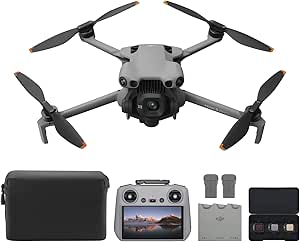
DJI Mini 5 Pro Fly More Combo with DJI RC 2
As an affiliate, we earn on qualifying purchases.
How the CryptoBilis Investigation Began
The investigation followed reports involving another hardware-wallet maker. According to the supplied account of Trezor’s reporting, Ledger began investigating losses among customers who bought devices from CryptoBilis on October 9. Ledger later said some of its devices had been physically tampered with. In a statement dated October 15, Ledger described the incident as “an attack on the distribution channel after the devices left our control.” CryptoBilis was also an authorized Trezor reseller, and Trezor says it removed the company from its network on October 9.
Trezor received the first report of an affected Safe 5 on October 28 and warned customers two days later while the device was still awaiting laboratory examination. The company’s November 12 confirmation followed analysis of that wallet and owner-submitted photographs of two more devices. Trezor says other devices it checked showed no evidence of tampering, and its checks of devices from other regional resellers found none. It is working with SEAL 911, the Security Alliance’s emergency response service.
““It only listens.””
— Trezor
What Buyers and Trezor Still Need to Verify
Trezor has confirmed three affected Safe 5 devices, but the supplied information does not establish how many implants were made or whether additional altered wallets remain undiscovered. The company says 48 CryptoBilis customers have come forward and that their devices are being checked; the results of those checks are not yet available here. It also says no owner of the three confirmed devices has reported a loss, but this does not establish whether captured data reached the attackers or was used.
The source material does not give details about the server, the attackers’ identities, or the full circumstances in which the implants were installed. Nor does it specify an independent verification of Trezor’s technical findings. Trezor’s claims about the implant and firmware protection are company statements; the distinction between confirmed device findings and unresolved questions about the wider incident remains important.
Device Checks and Firmware Follow-Up
Trezor says it is checking devices belonging to customers who have come forward and is working with SEAL 911. The next public developments to watch for are results from those checks, any further confirmed devices, and updates on whether the company changes its advice or support for CryptoBilis buyers. Trezor has already reduced its reseller network by about 80%, according to its account, but the source material does not provide a detailed breakdown of that change.
For owners, Trezor’s announced technical measure is firmware 2.13.1 on the Safe 7, Safe 5, Safe 3 and Model T. The company says it stops the implants found from capturing information on devices running the update. That protection does not reverse earlier exposure. Any further guidance about affected purchases, previously displayed recovery words, or new findings should be attributed to Trezor as it investigates.
Key Questions
How many Trezor devices were confirmed to contain implants?
Trezor confirmed three individual Safe 5 devices. The finding does not mean three different wallet models were affected.
What information did the implant capture?
Trezor says the added board copied information shown on the device screen, including recovery words when creating or restoring a wallet and a passphrase if displayed. It encrypted the data and sent it over a mobile network, according to the company.
Does firmware 2.13.1 protect a recovery phrase captured earlier?
No. Trezor says the update blocks the implants it has identified from capturing information on updated devices, but cannot protect a backup already captured.
Have owners reported losing funds?
Trezor says none of the owners of the three confirmed devices has reported losing funds. The company has not provided evidence that captured information was or was not transmitted or used.
Which devices does Trezor say can run the fix?
Trezor lists firmware 2.13.1 for the Safe 7, Safe 5, Safe 3 and Model T, with a release date of November 11, 2026.
Source: ThorstenMeyerAI.com