
TL;DR
Watch Duty says a Gemini-powered tool transcribed and flagged a radio dispatch in under 30 seconds during the July 2026 Railroad Fire in Washington. The nonprofit says the tool can help reporters detect incidents in areas without automated dispatch monitoring, but human verification remains part of its alert process.
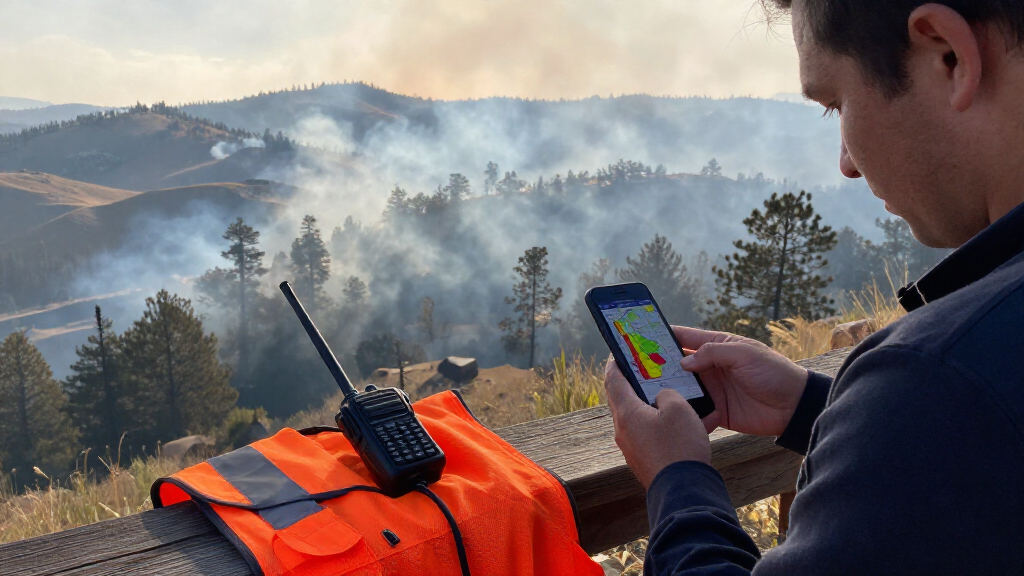
Watch Duty says a Gemini-powered radio tool transcribed and flagged a 911 dispatch in under 30 seconds during the July 2026 Railroad Fire in Washington, giving the wildfire-alert nonprofit time to verify the incident and send its first-ever overnight Critical Alert. The system is designed to turn noisy emergency-radio audio into searchable text so reporters can identify possible fires more quickly.

Get the latest gadgets delivered free with Prime
- Fast, free delivery on millions of items
- Prime Video, Amazon Music and more included
- Member-only deals all year
The system was developed through a six-month Google.org Fellowship, with Google engineers and researchers working full-time alongside Watch Duty. Google says the team used more than 20,000 hours of past radio recordings to build a Gemini-powered tool that reduces static and recognizes specialized firefighting terminology in analog VHF radio transmissions.
According to Google, the tool transcribes more than 200 hours of radio speech each day across about 400 active feeds. Google reports that it reduced the word error rate on degraded VHF audio from 38% to 22.34%. It also says the system has been designed and tested to handle more than 10,000 feeds at once; that capacity figure does not mean it is currently monitoring that many feeds.
Google says the tool can alert Watch Duty reporters to a possible incident in areas without other automated dispatch detection, even when no reporter is listening to a particular feed at that moment. The Railroad Fire was a live test: according to Google’s account, the transcription system flagged the initial dispatch in under 30 seconds. Watch Duty staff then verified the fire before issuing a Critical Alert, a notification designed to break through do-not-disturb settings in urgent situations.
Faster Detection Before Evacuation
Wildfire reports can first come over analog radio channels carrying wind, engine noise, static and rapid tactical speech. Watch Duty says its reporters may monitor as many as 20 feeds manually, making it difficult to catch every transmission as it happens. Automated transcription can serve as an additional signal, allowing a reporter to focus attention on a possible incident sooner.
The practical value is time to check what a dispatch means and whether it warrants an alert—not automatic confirmation of a fire. In the Railroad Fire example, Google says the faster transcription gave Watch Duty staff time to verify the incident and send a nighttime warning while residents were asleep. The account says residents evacuated before flames reached homes, though it does not quantify how many people received or acted on the alert.
The development also matters as Watch Duty’s audience has grown. Google says more than 16 million people used the service last year and that Google Cloud raised its Firebase Cloud Messaging limit from 600,000 to 1 million to support alert delivery. That infrastructure supports distribution; the Gemini tool addresses an earlier step, finding and interpreting dispatch audio.
Products Worth Considering

Bose QuietComfort Ultra Headphones (2nd Gen), Wireless Noise-Cancelling Over-Ear Headphones, Driftwood Sand

Bose QuietComfort Headphones (2nd Gen), Wireless Noise-Cancelling Over-Ear Headphones, Black

Sony WH-1000XM6 Wireless Noise-Cancelling Headphones – Midnight Blue
As an affiliate, we earn on qualifying purchases.
A Multi-Year Google Partnership
The radio tool is part of a broader collaboration between Google and Watch Duty, a nonprofit wildfire-alert app run by active and retired firefighters, dispatchers and other first responders. Google says its partnership includes philanthropic support, cloud services and work to connect Watch Duty information with public-facing services.
In 2024, Google.org provided Watch Duty with $2 million in funding and $300,000 in Google Cloud credits, according to Google. The company also says Google Search included Watch Duty in SOS alerts alongside official emergency guidance during fires including the Palisades, Eaton, Hurst and Auto fires. Watch Duty also participates in the AI Collaborative: Wildfires, which Google describes as a partnership to develop tools for agencies, communities and responders.
The new system addresses a specific operational bottleneck: detecting and making sense of radio traffic. It does not replace emergency agencies, official evacuation orders or Watch Duty’s own review of reports. Google describes the tool as helping reporters verify incidents and send alerts, rather than issuing public warnings autonomously.
““The goal is simple: get people the warning they need while there’s still time to act.””
— Google’s account of the Watch Duty collaboration
Limits of the Reported Results
The results and the Railroad Fire account come from Google’s report; the source material does not include an independent evaluation or a separate statement from Watch Duty about the incident. It does not specify how many residents received the Critical Alert, how many evacuated because of it, or how much earlier the alert arrived than it would have without the tool.
Google reports improved transcription accuracy on degraded audio, but the source does not explain the test sample, evaluation method or error types in detail. It also does not say how often the system misses a dispatch or flags audio that does not indicate a new fire. The claimed ability to handle more than 10,000 feeds is a design-and-testing figure, not evidence that the tool is operating at that scale.
It remains unclear how widely the tool is deployed, whether its performance varies by region or radio equipment, and how Watch Duty handles outages or uncertain transcripts. The report says staff verify incidents before issuing alerts, but does not describe the verification procedure or provide a measured estimate of time saved across all fires.
Broader Monitoring and Evaluation
Google says the tool is intended to help Watch Duty expand coverage, including in places without other automated dispatch detection. The company’s account does not give a rollout schedule, name additional regions set to receive the system, or say when performance data from a larger deployment will be published.
The next useful evidence will be how the system performs across different radio conditions and how often its flags lead to verified incidents. Watch Duty’s reporters remain responsible for checking possible fires and issuing alerts, while official agencies continue to provide emergency direction. Further detail from Watch Duty or independent testing could clarify the tool’s accuracy, practical time savings and role during future incidents.
Key Questions
What does the Gemini tool do?
It processes noisy analog radio audio, reduces static and transcribes firefighting terminology into searchable text. It can flag a possible incident for Watch Duty reporters to review.
Did the AI send the Railroad Fire alert by itself?
No. Google says the tool flagged the dispatch, after which Watch Duty staff verified the fire and sent the Critical Alert.
How quickly did the tool flag the dispatch?
Google says it transcribed and flagged the initial Railroad Fire dispatch in under 30 seconds. The report does not give a comparison for how long detection would otherwise have taken.
How accurate is the transcription?
Google reports that the word error rate on degraded VHF audio fell from 38% to 22.34%. The source does not provide the test methodology or enough detail to assess performance across all radio feeds.
How many radio feeds does the system monitor?
Google says it currently transcribes more than 200 hours of radio speech daily from about 400 active feeds. It has been designed and tested to handle more than 10,000 feeds, but that is not its reported current operating scale.
Source: blog.google