
TL;DR

Get the latest gadgets delivered free with Prime
- Fast, free delivery on millions of items
- Prime Video, Amazon Music and more included
- Member-only deals all year
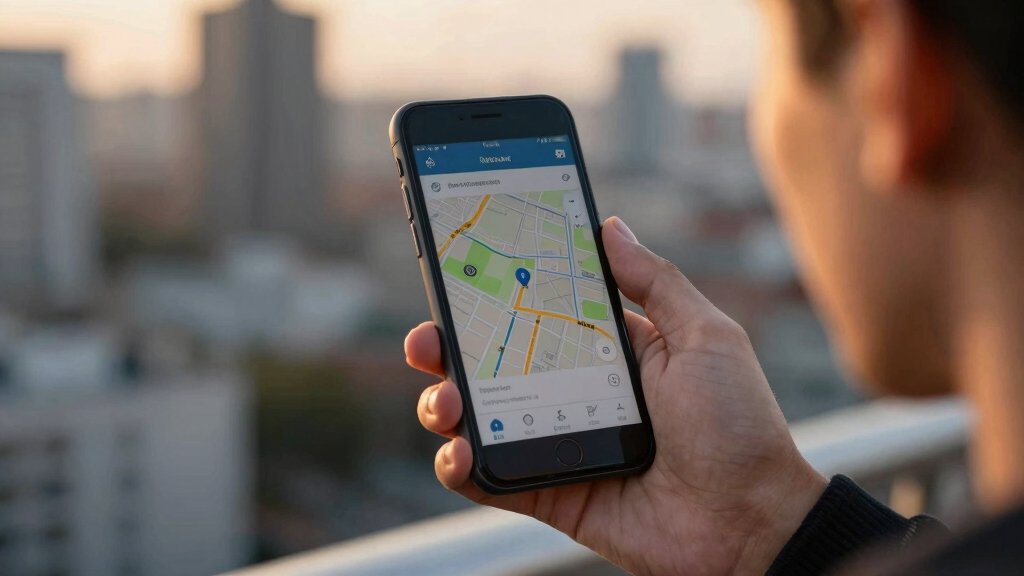
Virginia has passed a law prohibiting the sale of geolocation data by private companies. The legislation aims to enhance consumer privacy, but specific enforcement details are still emerging. This marks a significant step in data privacy regulation.
Virginia has enacted legislation that bans the sale of geolocation data by private companies, making it the first state to implement such a restriction. The law aims to strengthen consumer privacy protections amid growing concerns over data misuse and tracking. The legislation took effect immediately upon signing, with enforcement details still being finalized.
The bill, passed by the Virginia General Assembly and signed into law by Governor Glenn Youngkin, prohibits businesses from selling or transferring geolocation data obtained from consumers without explicit consent. The law covers data brokers, app developers, and other entities that collect location information for commercial purposes. The legislation also mandates transparency requirements and imposes penalties for violations.
Officials from Virginia’s Department of Consumer Affairs stated that the law aims to give consumers more control over their location information and prevent misuse by third parties. The law does not specify exceptions for law enforcement or national security agencies, but those details are expected to be clarified in upcoming regulations.
Implications for Data Privacy and Business Practices
This legislation signals a shift toward stricter privacy regulations at the state level, potentially influencing national policy. It could impact data brokers, app developers, and other companies that rely on geolocation data for targeted advertising, analytics, or other services. The law also addresses consumer concerns about tracking and data misuse, setting a precedent for future regulation.
As an affiliate, we earn on qualifying purchases.
Virginia’s Privacy Legislation and Data Market Trends
Virginia previously enacted the Consumer Data Protection Act in 2021, which established broad privacy rights. The new geolocation ban builds on this framework, reflecting a growing trend of states implementing targeted privacy laws. Nationally, discussions around regulating location data have increased, especially amid reports of widespread data collection and misuse by third-party providers.
Industry groups have expressed concern about compliance costs, while privacy advocates see this as a positive step toward stronger consumer protections. The law aligns Virginia with other states considering or enacting similar restrictions on data sales and collection practices.
“This legislation affirms Virginia’s commitment to protecting its residents’ privacy and gives consumers more control over their location data.”
— Virginia Governor Glenn Youngkin
As an affiliate, we earn on qualifying purchases.
Unclear Aspects of Enforcement and Scope
It is not yet clear how the law will be enforced, what specific penalties will be imposed for violations, or whether there will be exceptions for law enforcement or national security purposes. Details on how existing companies will adapt to the new restrictions are still emerging, and regulatory guidance is pending.
As an affiliate, we earn on qualifying purchases.
Next Steps in Implementation and Potential Legal Challenges
Virginia authorities are expected to publish detailed enforcement regulations in the coming months. Companies affected by the law will need to review their data practices to ensure compliance. Legal challenges or pushback from industry groups may also arise, potentially leading to further clarifications or amendments.
As an affiliate, we earn on qualifying purchases.
Key Questions
Does the law apply to all companies collecting geolocation data?
Yes, the law applies to private companies that collect, sell, or transfer geolocation data from consumers within Virginia. Specific exemptions are still being clarified.
Are law enforcement agencies affected by this law?
The law does not explicitly address exceptions for law enforcement or national security, but regulatory details are forthcoming, and exceptions may be defined later.
Will this law influence other states to implement similar regulations?
It is possible, as Virginia’s move could set a precedent and encourage other states to consider targeted privacy laws regarding location data.
What penalties could companies face for non-compliance?
Penalties are still being defined, but they may include fines, sanctions, or other enforcement actions by Virginia authorities.
When will detailed enforcement guidelines be released?
Regulatory agencies have indicated that detailed guidelines are expected within the next few months, but no specific date has been announced.
Source: hn
Halloween Picks
halloween
As an affiliate, we earn on qualifying purchases.