
When choosing between wired and wireless cameras, consider your environment’s stability and security needs. Wired cameras offer consistent performance and durability in harsh conditions, making them reliable for long-term use. Wireless cameras provide flexibility and easier installation but can face interference and power issues, affecting reliability. Your choice depends on your setup’s demands and your willingness to maintain the system. Want to explore which option suits your needs best? Keep going to find out more.
Key Takeaways
- Wired cameras provide stable, interference-free signals ideal for harsh environments and critical security needs.
- Wireless cameras offer flexible placement but are susceptible to interference, signal loss, and environmental obstacles.
- Wired systems depend on reliable power sources; outages require backup solutions to maintain operation.
- Wireless cameras are easier to install but require regular battery maintenance and are vulnerable to hacking without proper security.
- For maximum reliability, consider environmental conditions, security risks, installation complexity, and ongoing maintenance needs.

REOLINK Smart 5MP 8CH Home Security Camera System, 4pcs Wired PoE IP Cameras Outdoor with Person/Pet/Vehicle Detection, 4K 8CH NVR with 2TB HDD for 24-7 Recording, RLK8-520D4-5MP
CAPTURE CRIME FROM DETAILS: Discover potential crime has never been so easier with superior 5MP HD. With advanced...
As an affiliate, we earn on qualifying purchases.
What Are the Main Differences Between Wired and Wireless Cameras?
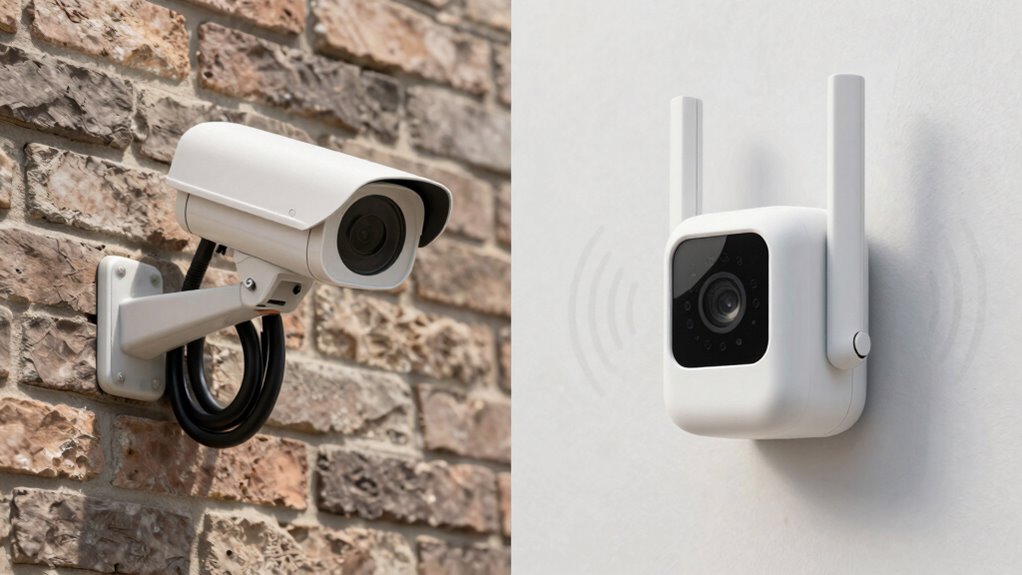
Wired and wireless cameras differ mainly in how they connect to their power sources and networks. Your camera placement is influenced by these differences; wired cameras require a physical connection to power outlets and network ports, which can limit placement options. They rely on consistent power sources, making installation more involved but often more reliable. Wireless cameras, on the other hand, operate on batteries or external power adapters, offering greater flexibility in placement without the need for cables. This convenience allows you to position them almost anywhere, but you need to contemplate their power sources for ongoing operation. While wired setups depend heavily on stable power and network connections, wireless cameras provide mobility but require regular battery checks or alternative power solutions. Additionally, connectivity stability can be a concern with wireless models, especially in areas with interference or weak signals, emphasizing the importance of understanding signal strength and its impact on performance. Moreover, considering power management strategies can enhance the reliability of wireless systems over time. To ensure consistent performance, monitoring and optimizing network conditions becomes crucial for maintaining seamless connectivity.
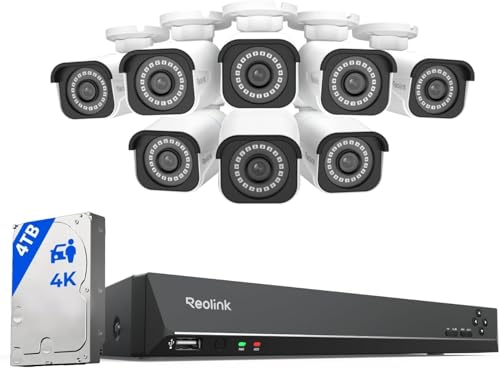
REOLINK 4K Security Camera System, RLK16-800B8 8pcs H.265 PoE Wired with Person Vehicle Detection, 8MP/4K 16CH NVR with 4TB HDD for 24-7 Recording
4K Ultra HD – Reolink 4K Ultra HD (8MP) PoE camera delivers almost 4 times the clarity of...
As an affiliate, we earn on qualifying purchases.
How Reliable Are Wired vs. Wireless Security Cameras in Different Conditions?
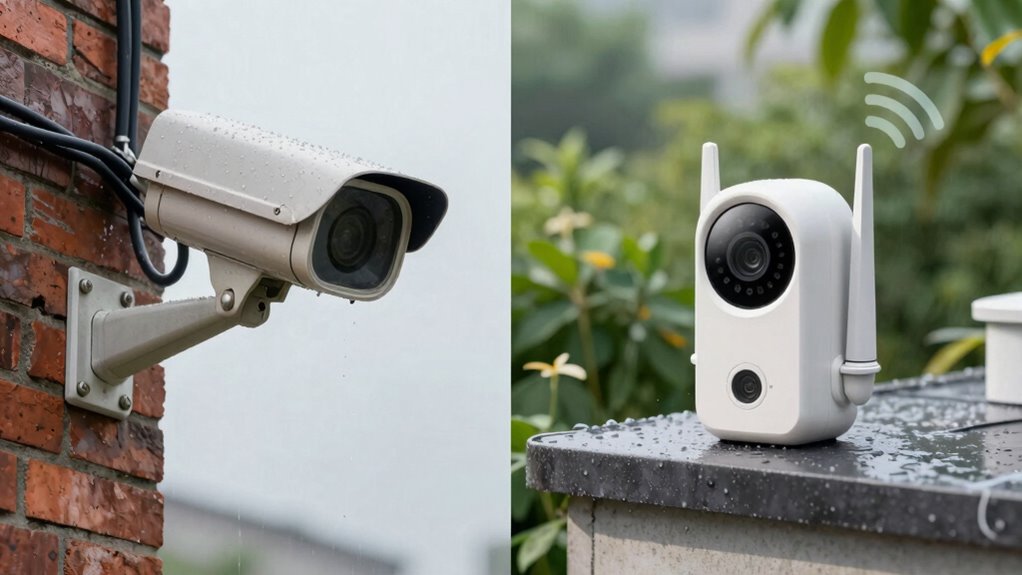
Your security camera’s reliability depends on how well it handles different conditions. Wired cameras generally offer stable signals even in harsh environments, while wireless cameras can face interference or dropouts. Power outages can disrupt wireless systems unless they have backup power, and environmental factors like rain or dust may impact their performance differently. To ensure consistent security, consider reliable backup power solutions that keep wireless cameras operational during outages. Additionally, factors like outdoor environmental conditions can significantly influence wireless camera performance, making robust design and placement crucial. Since wireless signals are more susceptible to interference from other devices, careful frequency management can help maintain a stable connection. Moreover, market reputation of camera brands can also be an indicator of long-term reliability and support.
Signal Stability in Adverse
In challenging conditions, signal stability becomes a critical factor when choosing between wired and wireless security cameras. Wireless cameras often face interference issues from other devices, walls, or weather, which can weaken the signal and cause disruptions. Their signal range also varies depending on obstacles and interference, reducing reliability over longer distances. Wireless signals are also more vulnerable to interference, which can lead to intermittent video feeds or dropped connections, especially in environments with many electronic devices. Additionally, the presence of electromagnetic interference from nearby electronic equipment can further compromise wireless signal integrity. Proper placement and the use of signal boosters can help mitigate some of these issues, but they do not eliminate the fundamental vulnerabilities of wireless systems. As technology advances, frequency management can improve wireless connection stability, but inherent environmental factors still pose challenges. Wired cameras, on the other hand, provide a more stable connection because they don’t depend on wireless signals, making them less susceptible to interference. However, their performance is still affected if the cables are damaged or improperly installed. Overall, in adverse conditions with high interference or long distances, wired cameras generally offer more consistent signal stability, ensuring your security system remains reliable regardless of environmental challenges.
Power Outage Impacts
During a power outage, the reliability of security cameras becomes a key concern. Wired cameras typically rely on your main power supply, so without a power backup, they go offline. Wireless cameras often depend on batteries, making them more resilient during outages if their batteries are charged. However, if the batteries drain, they’ll stop recording and transmitting footage. To guarantee continuous security, consider installing a power backup system, like a generator or uninterruptible power supply (UPS), for wired cameras. Wireless systems with a battery reserve can also maintain operation longer. Additionally, some wireless cameras offer emergency alerts when power interruptions occur, keeping you informed and allowing you to take action quickly. Proper planning ensures your security stays intact, regardless of power disruptions. Incorporating smart security features can further enhance reliability by providing real-time monitoring and alerts during outages.
Environmental Resistance Levels
Wired and wireless security cameras face different challenges when it comes to environmental conditions. Wired cameras often have better weather resistance because their durable cabling and sturdy housings protect against rain, snow, and extreme temperatures. They’re typically designed with vandal proof features, making them harder to damage or disable. Wireless cameras, on the other hand, rely on Wi-Fi signals and power sources, which can be affected by weather fluctuations or physical interference. While many wireless models also feature weather-resistant casings, they may be more vulnerable to harsh conditions if not properly rated. Additionally, environmental resilience plays a crucial role in determining the suitability of each type for outdoor use. Proper installation and protective enclosures can significantly enhance the durability of wireless cameras in challenging environments. To ensure optimal performance, considering weatherproof ratings can help in selecting the right camera for outdoor conditions. For example, some wireless cameras are equipped with advanced weatherproofing features, making them more suitable for outdoor settings. Selecting cameras with a higher IP rating can further improve durability and protection against the elements. Ultimately, your choice depends on the environment; for rugged outdoor use, a wired camera with vandal proof design provides higher reliability, while wireless options can suffice in less demanding conditions.

REOLINK 8CH 5MP Security Camera System, 4pcs Wired PoE Cameras for Home Security Outdoors, Smart Person/Pet/Vehicle Detection, 4K 8CH NVR with 2TB HDD for 24-7 Recording, RLK8-410B4-5MP White
5MP SUPER HD & STUNNING NIGHT VISION – Capture crystal clear videos day & night with 5MP super...
As an affiliate, we earn on qualifying purchases.
Are Wired or Wireless Cameras Easier to Install and Maintain?
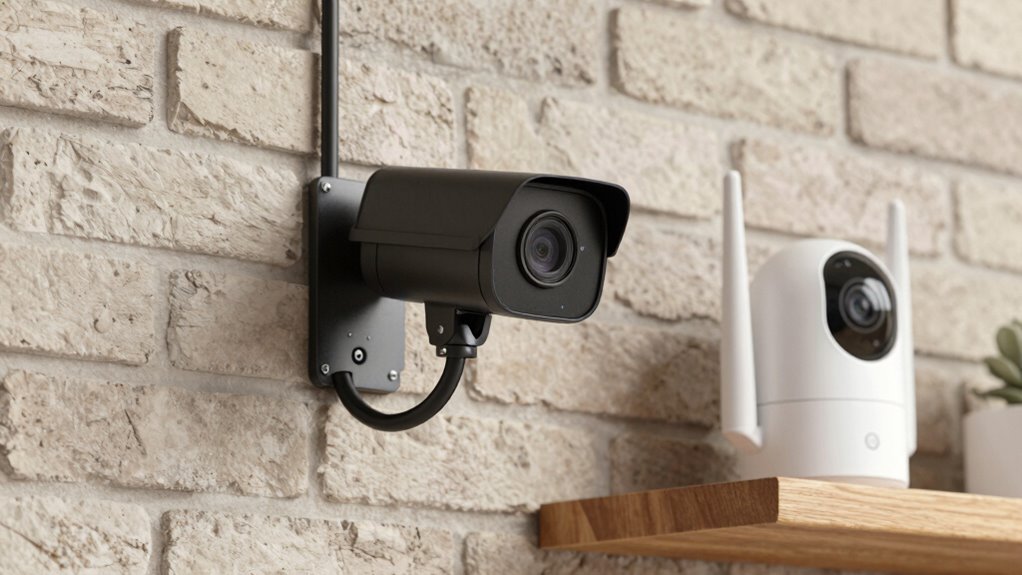
While wireless cameras on the other hand, depend on batteries or Wi-Fi signals, which may require frequent recharging or troubleshooting. Wired cameras, however, often have more stable power sources, reducing the likelihood of outages caused by power issues. Wired systems usually have fewer components that can fail, making ongoing maintenance more straightforward. Additionally, the reliability of wired connections often surpasses that of wireless ones, reducing potential disruptions. Wired setups also benefit from robust signal stability, which is crucial for consistent monitoring. Furthermore, the simple installation process of wired systems, despite being more involved initially, can lead to easier troubleshooting over time. As technology advances, wired systems continue to evolve, maintaining their status as a dependable security solution. If you prefer a setup that stays reliable with minimal intervention, wired cameras might be the better choice. Although installation can be more involved, their long-term ease of maintenance often outweighs the initial effort.

REOLINK 8CH 5MP Home Security Camera System, 6pcs Wired Outdoor PoE IP Cameras with Person/Vehicle/Pet Detection, 4K/8MP 8CH NVR with 2TB HDD for 24-7 Recording, RLK8-410B6-5MP
5MP SUPER HD & STUNNING NIGHT VISION: Capture crystal clear videos day & night with 5MP super HD...
As an affiliate, we earn on qualifying purchases.
How Secure Are Wired and Wireless Camera Systems Against Threats?
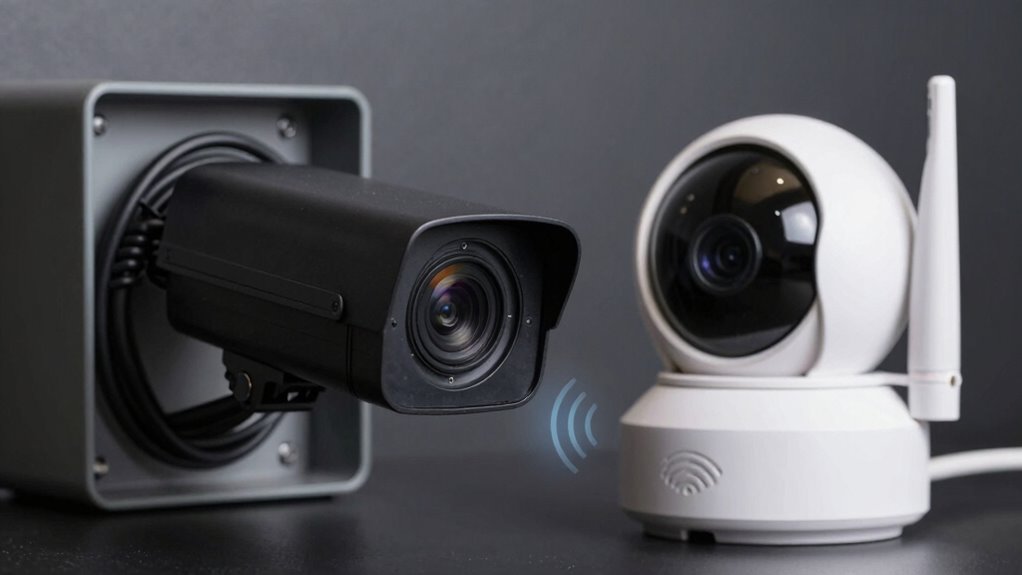
Your camera system’s security depends on how well it guards against threats like signal interception, physical tampering, and unauthorized access. Wireless cameras are more vulnerable to hacking if they lack strong encryption and authentication, while wired systems can be physically tampered with. Understanding these risks helps you choose the right security measures to protect your footage. For example, implementing security best practices such as regular firmware updates and strong passwords can significantly enhance protection. Additionally, awareness of ear wax odor can help identify potential health issues that might be overlooked, emphasizing the importance of comprehensive security—both in health and technology.
Signal Interception Risks
Wireless camera systems are inherently more vulnerable to signal interception because their data travels through radio frequencies that can be intercepted by malicious actors. If someone with malicious intent attempts signal hacking, they can access your video feeds without your knowledge. Additionally, wireless signals are susceptible to frequency interference, which can disrupt the communication between your camera and receiver, making your system unreliable or easier to compromise. Unlike wired systems, which rely on physical connections, wireless setups depend heavily on secure encryption protocols. Without strong encryption, your data could be exposed to hackers. Consequently, you need to be vigilant about your wireless network’s security, regularly updating passwords and using encrypted channels to minimize these risks.
Physical Tampering Threats
Both wired and wireless camera systems face risks from physical tampering, which can compromise their effectiveness. If someone gains access, they could disable, move, or destroy your cameras, undermining your physical security and vandalism prevention efforts. To safeguard your system, consider these measures:
- Use vandal-proof enclosures and secure mounting to deter tampering.
- Place cameras in high or hard-to-reach locations to minimize accessibility.
- Regularly inspect equipment for signs of tampering or damage.
Encryption and Authentication
Encryption and authentication are essential for protecting camera footage from interception and unauthorized access. Encryption protocols secure your video streams by scrambling data, making it unreadable to anyone without the proper decryption key. Wireless systems often rely on stronger encryption methods like WPA3 or AES, which safeguard against eavesdropping. Wired cameras may use encryption, but it’s less common, so they’re generally less vulnerable to interception. Authentication methods verify that only authorized users access your footage, preventing unauthorized viewing or control. Strong password policies, two-factor authentication, and digital certificates add layers of security. Ultimately, the effectiveness of your camera system’s security depends on implementing robust encryption protocols and authentication methods, regardless of whether it’s wired or wireless. This ensures your footage remains confidential and protected from threats.
What Are the Costs, Expandability, and Flexibility of Each System?
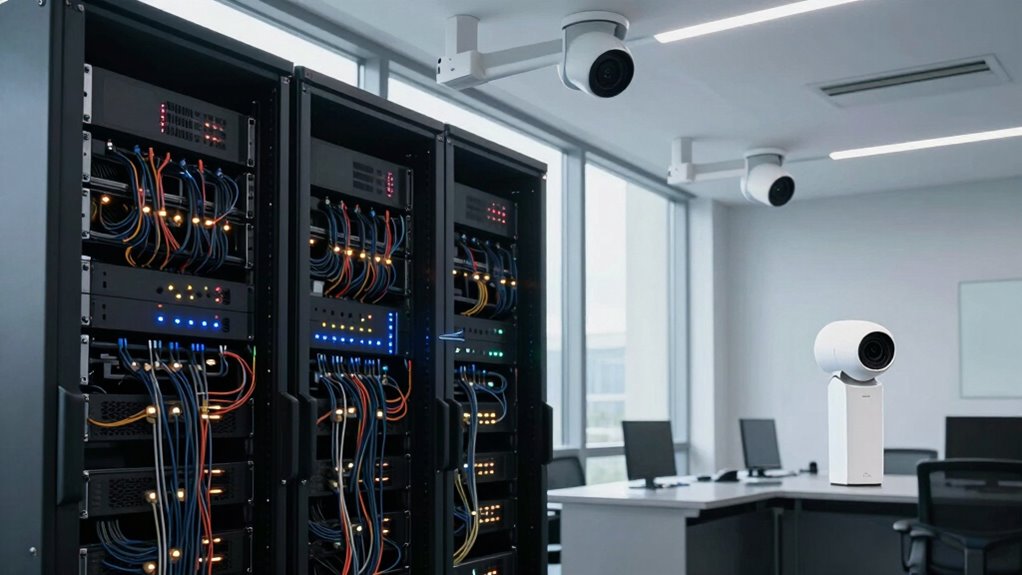
When comparing the costs, expandability, and flexibility of wired and wireless camera systems, it’s important to recognize that each has distinct advantages and limitations.
- The cost comparison often shows wired systems require higher upfront expenses due to installation and cabling, but may have lower ongoing maintenance. Wireless setups typically have lower initial costs but can incur expenses with added devices or upgrades.
- Expandability options favor wireless systems, as they allow easy addition of cameras without complex wiring. Wired systems are more limited, requiring significant effort and cost to expand.
- In terms of flexibility, wireless cameras offer more placement freedom and easier adjustments, while wired systems are more constrained by cable routes and infrastructure.
Which Security Camera Setup Is Best for Your Home or Business?
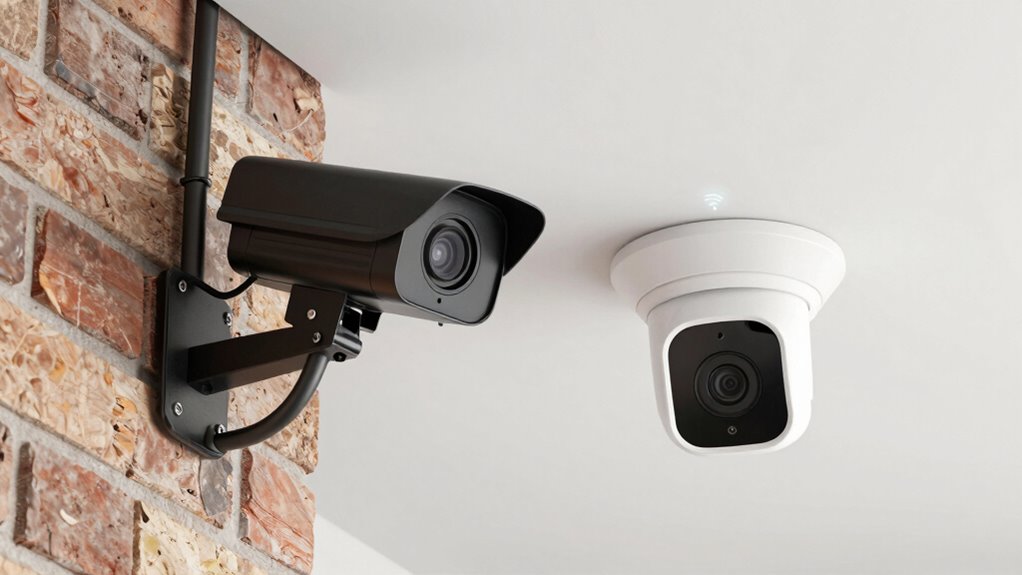
Choosing the right security camera setup depends on your specific needs, budget, and property layout. If you prioritize easy installation and flexibility, wireless cameras offer quick camera placement and remote access via a user interface that’s simple to navigate. They’re ideal for covering multiple angles without complex wiring. On the other hand, wired systems provide a more reliable connection, especially in large or complex properties, where consistent footage is critical. Consider how you will manage camera placement to maximize coverage and minimize blind spots. Additionally, evaluate the user interface—whether it’s intuitive and accessible on your devices. Your choice should balance ease of use, reliability, and coverage, ensuring your setup aligns with your security goals and comfort level with technology.
Frequently Asked Questions
Can Wireless Cameras Operate Without Wi-Fi or Internet Access?
Wireless cameras typically can’t operate without Wi-Fi or internet access because they rely on these connections to transmit data. However, some models with built-in batteries can record locally on SD cards, reducing dependence on Wi-Fi during power outages. Keep in mind, battery life varies, and installation complexity can increase if you need to set up a local network. If you’re offline, confirm your camera’s design supports local storage for reliable security.
What Are the Bandwidth Requirements for Wireless Camera Systems?
Imagine your wireless camera system as a vintage radio, needing enough bandwidth capacity to broadcast clear signals. You’ll want a steady, strong signal to avoid lag or dropouts. Typically, high-definition cameras require 4-6 Mbps, while lower resolutions need less. Ensuring good signal strength and sufficient bandwidth capacity prevents interruptions, keeping your cameras reliable. If bandwidth is limited, consider lowering resolution or upgrading your internet plan for smoother operation.
How Do Wired and Wireless Cameras Perform During Power Outages?
During power outages, wired cameras generally perform better because they’re usually connected to a power backup system, guaranteeing continuous operation. Wireless cameras, on the other hand, often lose signal stability if their power source isn’t backed up, leading to interruptions. To maintain reliability, invest in a power backup for wireless cameras and ensure your wired system has a stable connection. This way, you keep your security coverage consistent.
Are Wireless Cameras More Susceptible to Hacking Than Wired Ones?
Studies show wireless devices face 3.5 times more hacking vulnerabilities than wired ones. Wireless cameras are indeed more susceptible to hacking because they rely on Wi-Fi, which can be intercepted if not properly secured. Encryption protocols help protect wireless cameras, but weaker or outdated security measures increase hacking risks. To stay safe, verify your wireless camera uses strong encryption and regularly updates its firmware.
Which System Offers Better Integration With Existing Security Setups?
You’ll find wired systems often offer better integration with existing security setups because they tend to have fewer compatibility issues. Wireless systems provide more flexibility and scalability, making it easier to expand or modify your setup over time. However, they can face scalability challenges if your network isn’t robust enough. Consider your current infrastructure and future needs to choose the system that seamlessly integrates and scales with your security setup.
Conclusion
So, whether you choose wired or wireless, remember that no system is perfect. Ironically, the more reliable options often come with added complexity, and the easiest setups might leave gaps in security. In the end, your choice reflects your priorities—whether that’s foolproof reliability or simple convenience. Just don’t be surprised if, in the quest for security, you find yourself chasing shadows, no matter which system you pick.