
The most impactful setting for saving energy on your smart thermostat is creating an optimized schedule with ideal temperature ranges for different times of day. Keep your home comfortably cool or warm during occupancy, and raise or lower temperatures when you’re away or asleep. Using eco or energy-saving modes further reduces waste. Fine-tuning these settings regularly helps maximize savings without sacrificing comfort—continue exploring how to make your thermostat work smarter for you.
Key Takeaways
- Set a consistent daily schedule aligned with your routine to prevent unnecessary heating or cooling during unoccupied times.
- Use eco or energy-saving mode to automatically optimize temperature settings and reduce energy consumption.
- Adjust your thermostat to around 68°F (20°C) during the day and lower it at night or when away for maximum savings.
- Enable smart features like occupancy sensors or geofencing to automatically adapt settings based on presence.
- Regularly calibrate and update your thermostat settings to ensure efficiency and prevent energy waste.
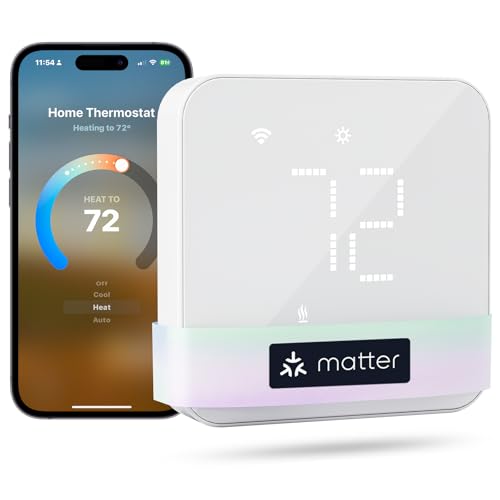
meross Smart Thermostat for Home, WiFi Thermostat Works with Matter, Alexa, Apple Home, Google Assistant, App & Voice Control, 7x24h Scheduling, Energy Saving, C-Wire Required
Before You Buy: Meross smart thermostat for home is suitable for 95% of HVAC systems, including heat pump,...
As an affiliate, we earn on qualifying purchases.
What Is the Most Important Smart Thermostat Setting for Saving Energy?

The most important smart thermostat setting for saving energy is the temperature schedule. Properly setting your schedule allows you to optimize comfort while reducing unnecessary heating or cooling. Smart zoning plays a key role here, letting you target specific areas with different temperature needs, which prevents wasting energy on unoccupied spaces. Additionally, integrating humidity control into your schedule helps maintain ideal indoor conditions without overworking your system. By adjusting these settings based on your daily routine, you minimize energy use during times when you’re asleep or away. This proactive approach not only saves money but also prolongs your HVAC system’s lifespan. Ultimately, a well-designed temperature schedule, combined with smart zoning and humidity management, is essential for maximizing energy efficiency. Energy-efficient design is at the core of sustainable smart thermostat use, further enhancing your home’s overall efficiency. Incorporating proper calibration ensures that your thermostat accurately reflects your desired settings, leading to even greater savings.

Amazon Smart Thermostat – Save money and energy - Works with Alexa and Ring - C-wire required
Smart upgrade - Amazon Smart Thermostat is an easy way to switch from a traditional thermostat and help...
As an affiliate, we earn on qualifying purchases.
How Do Temperature Ranges Impact Heating and Cooling Efficiency?
Adjusting your thermostat’s temperature ranges directly influences how efficiently your heating and cooling systems operate. Properly set temperature zones help optimize energy use while maintaining comfort. When you expand or narrow these zones, your system works harder or more efficiently, affecting costs and comfort levels. Maintaining ideal temperature ranges also improves humidity control, preventing stuffiness or dryness that depletes comfort. Proper temperature management is essential for maximizing system performance and energy savings. Consider these impacts: – ✅ Larger temperature zones reduce system cycling, saving energy – ✅ Narrow zones increase system workload, raising costs – ✅ Proper ranges enhance humidity control, creating a comfortable environment – ✅ Incorrect settings cause temperature swings and waste energy – ✅ Balanced zones improve system lifespan and reliability. Additionally, temperature zone calibration ensures your system responds accurately to adjustments, further enhancing efficiency. Regularly reviewing and adjusting these zones can prevent inefficient energy use and promote a more comfortable living space. Ensuring your thermostat settings align with your home’s thermal dynamics can lead to better overall efficiency. Optimizing temperature zones ensures your system runs smoothly, saving energy and elevating comfort. Properly configured zones also minimize temperature fluctuations, leading to more consistent indoor conditions.

ecobee Smart Thermostat Essential - Energy Star Certified programmable Wi-Fi Thermostat - Works with Siri, Alexa, and Google Assistant
Save up to 23% every year on heating and cooling costs, adjusts to your set schedule to save...
As an affiliate, we earn on qualifying purchases.
What Is the Best Thermostat Temperature for Comfort and Savings?
Finding the right thermostat setting is key to balancing comfort and energy savings. For most homes, setting your thermostat to around 68°F (20°C) during the day provides good comfort without wasting energy. In winter, lowering the temperature slightly at night or when you’re away can save money. Keep humidity control in mind, as higher humidity levels make it feel warmer at lower temperatures, improving comfort. Proper humidity also helps maintain air quality, reducing dryness and irritation. During summer, setting your thermostat to around 78°F (26°C) when you’re home can keep you comfortable while saving energy. Remember, maintaining consistent temperatures and adjusting based on occupancy and activity levels are essential for optimizing both comfort and efficiency. Understanding effective temperature management can help you make smarter adjustments for better outcomes. Additionally, utilizing smart thermostat features can enhance your ability to fine-tune settings automatically based on your habits and schedules. Proper temperature regulation ensures you maximize savings without sacrificing comfort, especially when combined with adaptive control systems that learn your preferences over time. Being aware of occupancy-based adjustments can further optimize energy use by reducing heating or cooling when spaces are unoccupied.
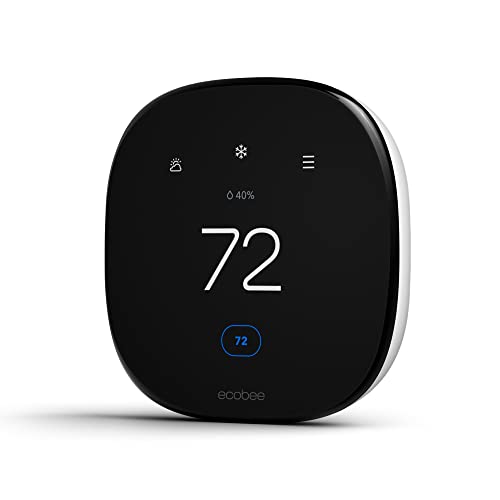
ecobee Smart Thermostat Enhanced - Programmable Wifi Thermostat - Works with Siri, Alexa, Google Assistant - Energy Star Certified - Smart Home
Save up to 26% per year on heating and cooling costs Automatically adjusts the temperature when you’re away...
As an affiliate, we earn on qualifying purchases.
How Do Eco and Energy-Saving Modes Help Reduce Your Bills?
Utilizing eco and energy-saving modes on your thermostat actively reduces your electricity bills by optimizing heating and cooling operations. These eco modes and energy saving features adjust your system’s activity based on your schedule and preferences, ensuring you’re not wasting energy when you’re away or asleep. By doing so, you can:
- Feel confident you’re making smarter, eco-friendly choices
- Enjoy lower monthly bills without sacrificing comfort
- Reduce your carbon footprint effortlessly
- Extend the lifespan of your HVAC system
- Experience peace of mind knowing you’re conserving resources
- Incorporate indoor air quality considerations into your energy-saving strategies to promote healthier living environments.
These modes are designed to maximize efficiency while maintaining a cozy environment. Switching to eco modes makes a real difference, helping you save money and protect the planet simultaneously. It’s an easy step toward smarter energy use.
How to Schedule Your Smart Thermostat for Maximum Savings?

To save the most on energy bills, you should set consistent schedules that match your daily routines. Using geofencing features can automatically adjust your thermostat based on your location, ensuring comfort and savings. Don’t forget to update your schedule for daylight savings to keep your energy use optimized year-round. Incorporating Free Floating concepts can help create a more natural and sustainable environment in your backyard.
Set Consistent Schedules
Creating a consistent schedule for your smart thermostat is key to maximizing energy savings. When your schedule is predictable, you achieve better temperature consistency, reducing energy waste. Proper schedule optimization guarantees your home is comfortable when needed and energy-efficient when it’s not. To make the most of this, consider these points:
- Feel confident knowing your home maintains a steady, comfortable temperature.
- Enjoy peace of mind knowing you’re not wasting energy during unoccupied hours.
- Reduce your energy bills with smarter, more precise scheduling.
- Build a daily routine that promotes comfort and savings.
- Take control of your home’s climate, even when you’re busy or away.
- Incorporating sustainable practices like efficient thermostat scheduling can significantly enhance your home’s overall energy conservation.
- Utilizing smart technology features can further optimize your energy savings by automating adjustments based on occupancy and preferences.
- Properly setting your thermostat to align with local weather conditions ensures optimal performance and energy efficiency.
Sticking to a consistent schedule not only saves energy but also creates a more comfortable and reliable environment, making every degree count.
Use Geofencing Features
By enabling geofencing features on your smart thermostat, you can automatically adjust your home’s temperature based on your location, guaranteeing energy is used only when you’re home. The geofencing benefits include reduced energy waste and increased comfort, as the thermostat responds to your movements. With location-based control, your system knows when you’re approaching or leaving, so it can preheat or cool accordingly. This seamless adjustment eliminates the need to manually change settings or rely solely on schedules, making your home more energy-efficient. Smart device management helps you optimize your thermostat’s performance and save money while maintaining comfort. Additionally, understanding battery lifecycle and performance metrics can help you better manage your smart device’s energy use and longevity. Incorporating energy-saving features like geofencing into your routine is a smart way to maximize efficiency and reduce unnecessary energy consumption.
Adjust for Daylight Savings
Adjusting your smart thermostat for daylight savings guarantees your home stays comfortable and energy-efficient year-round. Seasonal adjustments ensure your thermostat responds to changing daylight hours, saving energy and reducing costs. Use weather responsiveness features to automatically tweak your settings based on outdoor conditions, so your home stays cozy without waste. Remember to:
- Set your schedule forward or back to match daylight shifts
- Enable automatic adjustments for seamless seasonal changes
- Adjust temperature setbacks for mornings and evenings
- Sync your thermostat with local sunrise and sunset times
- Regularly review and update your settings for maximum efficiency
What Common Mistakes Should You Avoid When Adjusting Settings?

When modifying your smart thermostat, avoid disregarding suggested temperature ranges, as it can result in comfort problems or energy waste. You should also pay attention to your schedule settings to guarantee your system runs effectively when needed. Finally, verify that your thermostat is compatible with your HVAC system to prevent functionality problems. Additionally, considering energy management features can help optimize your overall consumption and savings. Being aware of load calculations can further ensure your system operates within safe and efficient performance metrics. Properly understanding system capabilities can help prevent overloading or underperformance, leading to better energy efficiency and system longevity. Regularly reviewing system specifications can also help identify potential issues before they impact performance.
Overlooking Temperature Ranges
Failing to pay attention to temperature ranges can lead to uncomfortable or inefficient heating and cooling. When setting your smart thermostat, neglecting seasonal adjustments or ignoring occupancy sensing can cause energy waste and discomfort. Make sure your temperature ranges are appropriate for the season—don’t keep it too cold in winter or too warm in summer. Avoid setting broad ranges that make your system work harder than necessary. Properly configured network hardware can ensure your smart thermostat communicates reliably, preventing malfunctions. Consider these common pitfalls:
- Ignoring seasonal adjustments, leading to unnecessary energy use
- Overlooking occupancy sensing, causing heating or cooling when no one’s home
- Setting temperature ranges too narrow, creating constant cycling
- Using a fixed range year-round without adaptation
- Forgetting to update ranges as seasons change, wasting energy and comfort
Ignoring Schedule Settings
Neglecting to set or customize your schedule can lead to wasted energy and discomfort, even if your temperature ranges are accurate. Relying too much on manual overrides can disrupt your optimized schedule, causing your system to run unnecessarily. Avoid constant adjustments that override your preset settings, as this diminishes energy savings. Additionally, ignoring weather forecasts can result in missed opportunities to adjust your schedule proactively. For example, if a cold snap is forecasted, setting your thermostat to warm up before the temperature drops can save energy. Failing to align your schedule with weather conditions and overusing manual overrides may make your thermostat less efficient and increase energy bills. Properly configuring and trusting your schedule maximizes comfort and minimizes waste.
Neglecting System Compatibility
One common mistake is trying to force your smart thermostat to work with incompatible systems, which can lead to malfunctions or reduced efficiency. Before adjusting settings, verify your device’s system compatibility. Ignoring firmware updates may also cause compatibility issues, preventing peak performance.
Be cautious of:
- Installing a thermostat incompatible with your heating or cooling system
- Overlooking manufacturer guidelines on system compatibility
- Failing to update firmware, missing important bug fixes
- Assuming all smart thermostats work with every HVAC system
- Neglecting to verify compatibility before purchase
These oversights can result in poor energy savings or system damage. Always double-check compatibility and keep firmware updated to guarantee your thermostat functions smoothly and efficiently, maximizing your energy savings.
How Can You Monitor and Adjust Your Thermostat for Better Savings?
Monitoring and adjusting your thermostat regularly can considerably boost your energy savings. Start by checking your settings daily, especially when the weather changes. Use humidity control features to maintain comfortable levels without overcooling or overheating your home. This prevents unnecessary energy use and keeps indoor air quality high. If your thermostat has voice activation, use it to make quick adjustments without needing to get up. Pay attention to patterns—set your thermostat lower when you’re away or asleep, and raise it when you’re home. Regularly review your energy reports if available, to identify trends and optimize settings further. Small, consistent adjustments make a big difference over time, helping you save money while maintaining comfort.
Frequently Asked Questions
Can Smart Thermostats Learn My Schedule Automatically?
Yes, your smart thermostat can learn your schedule automatically using learning algorithms. It observes your manual adjustments over time and adapts its settings to match your routines. This way, it minimizes energy use when you’re away or asleep, saving you money. You don’t need to constantly program it; just set your preferences initially, and it’ll refine its behavior to suit your lifestyle automatically.
How Often Should I Update My Thermostat Settings?
They say “a stitch in time saves nine,” and the same applies to your thermostat. You should update your settings whenever your schedule or preferences change, typically every few weeks. Regular adjustments help you avoid programming errors and maintain ideal energy savings. Keep experimenting with user customization, especially as seasons shift, to guarantee your thermostat works efficiently and keeps your home comfortable without wasting energy.
Do Smart Thermostats Work With All Heating and Cooling Systems?
Smart thermostats generally work with most heating and cooling systems, but you might face compatibility issues depending on your setup. Before installing, check the thermostat’s compatibility and installation requirements, especially if you have a heat pump, multi-stage system, or older equipment. You may need a compatible wiring system or additional components. Always review the manufacturer’s guidelines or consult a professional to guarantee seamless integration and peak performance.
What Is the Ideal Humidity Level for Energy Efficiency?
You should aim for a humidity level between 30-50% for energy efficiency. Proper humidity control prevents your home from feeling too dry or damp, reducing the need for excessive heating or cooling. Maintaining ideal moisture levels helps your HVAC system work less hard, saving energy and lowering costs. Use your smart thermostat’s humidity control features to keep the environment comfortable and efficient.
How Do Outdoor Weather Conditions Affect Thermostat Settings?
Outdoor weather conditions, like solar impact and wind influence, directly affect your thermostat settings. When solar impact is high, you might lower your cooling or raise heating to offset heat gain from sunlight. Wind influence can cause your home to lose heat faster, prompting you to adjust the thermostat accordingly. By actively monitoring these conditions, you optimize energy use and maintain comfort efficiently, saving both energy and money.
Conclusion
By focusing on your thermostat’s most vital setting, you can save energy without sacrificing comfort—think of it like tuning a vintage radio for the clearest signal. Avoid the common pitfalls, schedule wisely, and use eco modes to keep bills down. Remember, a little attention today keeps the winter chills and summer swelters at bay, just like an old-fashioned thermostat keeping your home cozy in any era.