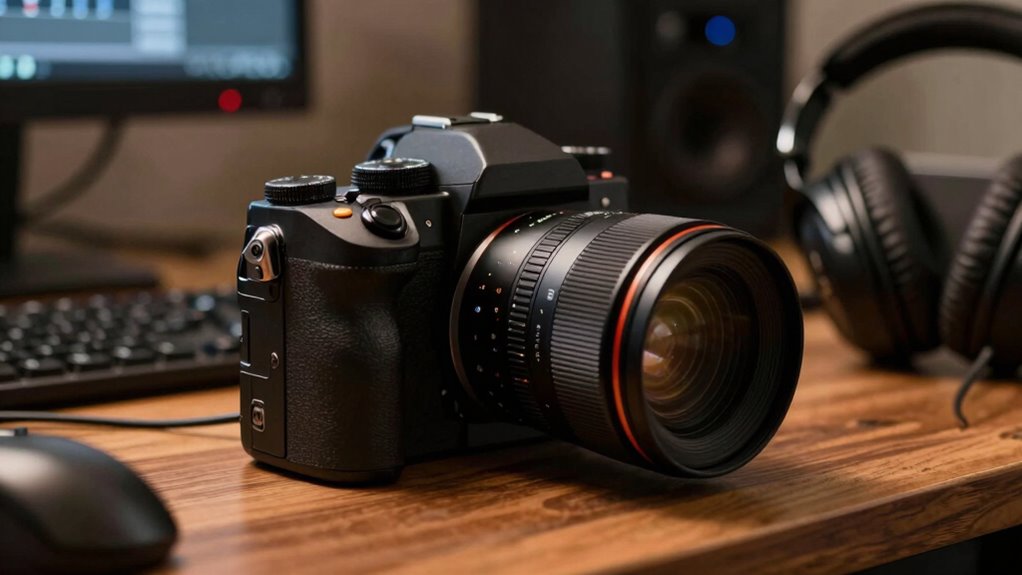

Cinema cameras aren’t better for everyone because they require new habits and skills. You’ll find them bulkier, which can cause fatigue, and they demand better ergonomics and handling. They also create larger files, needing faster workflows and more storage, plus a steep learning curve for advanced controls. If you’re used to simpler gear, this can be overwhelming. Keep exploring to discover ways to adapt and whether these cameras fit your projects and skills.
Open a free Amazon Business account
Business pricing, bulk buying and tax-exempt orders.
As an affiliate, we earn on qualifying purchases.
Key Takeaways
- Cinema cameras are bulkier and require ergonomic adjustments, making them less suitable for quick or handheld shooting.
- They produce large, high-resolution files that demand advanced storage and editing workflows, not ideal for simple projects.
- Mastering professional controls and settings involves a steep learning curve, which may be overwhelming for beginners.
- They are best suited for cinematic productions, while smaller projects or quick turnarounds may find them impractical.
- Effective use requires technical proficiency and workflow management, which can be a barrier for those lacking experience.
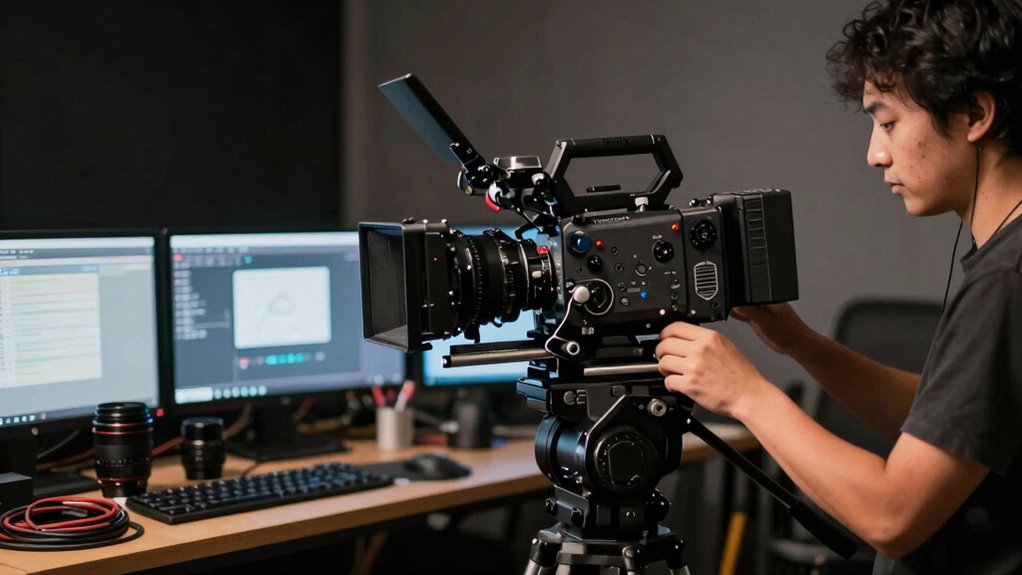
Cinema cameras are often hailed as the gold standard for professional filmmaking, but they aren’t necessarily the right choice for everyone. These cameras pack impressive features, but their size, weight, and design mean you need to adapt your habits to handle them effectively. One of the key considerations is camera ergonomics. Unlike compact DSLRs or mirrorless cameras, cinema cameras tend to be bulkier and more complex, which can lead to fatigue during long shoots if you’re not used to their physical demands. You might find yourself adjusting your grip, posture, or support systems to keep steady shots without straining your body. Proper ergonomics become essential to avoid discomfort and maintain focus, especially during extended periods of filming. Additionally, understanding camera ergonomics can significantly improve your comfort and efficiency on set. Beyond physical handling, you also need to think about how a cinema camera influences your post production workflows. These cameras often produce high-resolution footage with raw or log color profiles, which can be a double-edged sword. While the image quality is exceptional, it also means you’ll require more storage space, faster workflows, and a more powerful editing setup. If you’re accustomed to simpler, more streamlined post workflows, switching to cinema-grade footage can add complexity and time to your editing process. You’ll need to manage larger files, color grade more meticulously, and ensure your hardware can handle the data efficiently. This shift demands planning, from choosing the right storage solutions to developing a disciplined editing pipeline. Additionally, operating a cinema camera often involves a steeper learning curve. You’ll need to familiarize yourself with advanced settings, focus pulling techniques, and manual controls that aren’t as prominent in smaller cameras. This can be intimidating if you’re new to professional-grade equipment, and it might require additional training or practice. If your projects don’t demand the cinematic look or if you prefer quick turnarounds, the investment in mastering a cinema camera might not be justified. Being aware of the learning curve can help you decide whether the transition aligns with your skills and project needs. Developing technical proficiency is crucial for maximizing a cinema camera’s capabilities and avoiding common pitfalls. Furthermore, investing time in understanding workflow management can help mitigate some of the complexities introduced by high-resolution footage and advanced features.
As an affiliate, we earn on qualifying purchases.
Frequently Asked Questions
How Do Cinema Cameras Compare in Cost to Standard Cameras?
Cinema cameras generally cost more than standard cameras, so your budget considerations are vital. They often have higher upfront prices and may require specialized accessories. Additionally, maintenance requirements tend to be greater, as cinema gear needs careful handling and regular servicing to stay in top condition. If you’re working within a tight budget, these costs can add up quickly, so weigh the investment against your specific filmmaking needs.
What Training Is Needed to Operate Cinema Cameras Effectively?
To operate cinema cameras effectively, you need specialized training focused on camera ergonomics and operator skill. For example, a novice filmmaker might learn how to handle manual focus and manage weight distribution through hands-on workshops. You’ll want to practice controlling exposure, framing, and movement precisely. This training helps you adapt to the complex controls and demands of cinema cameras, ensuring you capture high-quality footage without fatigue or errors.
Are Cinema Cameras Suitable for Beginner Filmmakers?
Cinema cameras can be suitable for beginners, but you need to be ready to adapt your filmmaking styles and learn new camera ergonomics. These cameras often require more technical knowledge and practice, so if you’re willing to invest time in learning their features, they can elevate your projects. Start with understanding their settings, practice handling them, and gradually explore different styles to make the most of their cinematic potential.
How Do Cinema Cameras Handle Low-Light Conditions?
Cinema cameras handle low-light conditions well thanks to their high sensor sensitivity, allowing you to shoot in darker environments without sacrificing quality. They also use advanced noise reduction techniques, which help minimize grain and keep your footage clean. However, mastering these features requires understanding their settings, so you’ll need to develop different shooting habits. With practice, you can achieve stunning low-light shots that look professional and cinematic.
What Accessories Are Essential for Cinema Camera Setups?
You should prioritize vital accessories like lens selection and audio equipment for your cinema camera setup. Choosing the right lenses enhances your shot quality and creative control, so invest in versatile options. Good audio equipment, such as external microphones and recorders, guarantees clear sound, which is essential for professional results. These accessories help you maximize your camera’s potential, making your filmmaking process smoother and more effective.
high capacity external hard drive for video editing
As an affiliate, we earn on qualifying purchases.
As an affiliate, we earn on qualifying purchases.
Conclusion
While cinema cameras offer impressive capabilities, they’re not necessarily the perfect fit for everyone. Their unique demands might encourage habits that aren’t suited to your workflow or style. Instead of viewing them as a universal upgrade, see them as a different path—one that requires patience and adaptation. Sometimes, what seems like a shortcut might just lead you down a more winding, rewarding road. Embrace the journey, and find the tools that truly complement your creative rhythm.
As an affiliate, we earn on qualifying purchases.
As an affiliate, we earn on qualifying purchases.
NFL season / tailgating Picks
team gear
As an affiliate, we earn on qualifying purchases.