
📊 Full opportunity report: Acoustic Dampening, Placement, and the “Rig in the Closet” Setup on ThorstenMeyerAI.com — validation score, market gap, and execution plan.
TL;DR
Moving your rig into a closet significantly reduces noise and reflections. Proper placement, sealing gaps, and ventilation are key to creating a quiet, safe workspace. This guide offers practical tips for optimal setup.
Moving a high-power computer rig into a closet or small room is the most effective way to reduce noise and sound reflections, according to recent expert guidance. Proper placement, sealing gaps, and managing heat are essential for creating a quiet, safe workspace, especially for audio recording or AI processing setups.
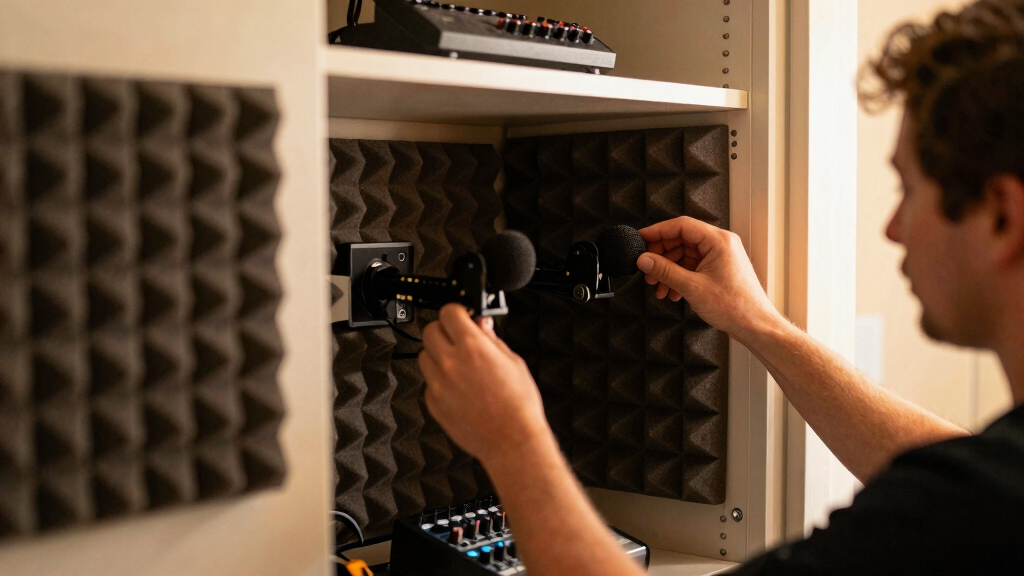
Experts emphasize that relocating a rig into a closet drastically cuts noise and echoes, often more effectively than foam treatments alone. Strategic placement involves positioning the equipment away from reflective surfaces, treating reflection points behind the mic, side walls, and ceiling with absorption materials, and sealing gaps around doors and walls to prevent sound leaks. To address heat buildup, ventilation solutions such as exhaust fans and ducted airflow are critical, especially for high-performance hardware. Using DIY materials like blankets, rugs, and foam can be effective if placed thoughtfully, covering about 20-30% of walls and key reflection points.
Distinguishing between acoustic dampening and soundproofing is important. Dampening materials absorb internal reflections, while sealing gaps prevents sound from escaping. Industry experts recommend a balanced approach: dampening to improve sound clarity and sealing for better isolation. Proper placement of acoustic panels—such as behind the mic and in corners—helps shape the room’s acoustics and reduces unwanted echoes. Over-treating can deaden the sound, so understanding the specific room behavior is essential.
When setting up a ‘rig in the closet,’ heat management is a primary concern. Adding ventilation, passive vents, or ducted airflow helps keep temperatures in a safe range. Using exhaust fans, intake vents, and even liquid coolers with ducting can prevent overheating. Materials like thick acoustic panels, blankets, and bass traps further improve sound quality and reduce low-frequency muddiness. Overall, the key is a combination of effective placement, proper treatment, and cooling solutions.
Acoustic dampening
& the rig in the closet.
The most powerful noise fix isn’t a material — it’s a floor plan. A rig you can’t hear because it’s in another room beats any amount of foam. Tap the approaches in Part 1 to see what actually works.
(another room)
(levers 1–4)
(door / barrier)
(acoustic foam)
Contain the noise, not the heat
Why Proper Closet Setup Matters for Noise and Hardware Safety
This approach is vital for anyone needing a quiet, professional-quality workspace in a limited space, such as content creators, AI researchers, or gamers. Proper setup not only reduces disruptive noise but also protects hardware from overheating, ensuring longevity and performance. As more professionals move toward home-based setups, understanding these techniques helps avoid common pitfalls like heat damage and poor sound quality, making the closet a viable alternative to dedicated studios or server rooms.
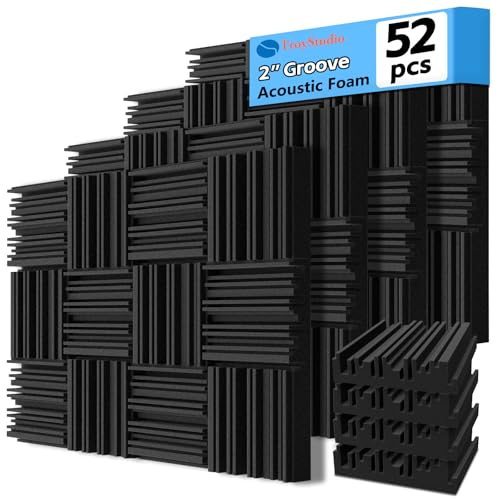
TroyStudio Thick Acoustic Foam Panels, 12 X 12 X 2 Inch 52 Pcs Broadband Sound Absorbing Foam, Dense Soundproof Padding Tile, Recording Studio Foam Absorber, Groove Decorative 3D Wall Ceiling Panel
- Size and Quantity: 12x12x2 inches, 52 panels
- Coverage Area: 52 square feet
- Material: High-density polyurethane foam
As an affiliate, we earn on qualifying purchases.
As an affiliate, we earn on qualifying purchases.
Recent Best Practices for Small-Space Acoustic and Thermal Management
Traditional advice often focused on adding foam or soundproof barriers, but recent expert guidance emphasizes the importance of relocating equipment into a closet for maximum noise reduction. The concept of a 'rig in the closet' has gained popularity among content creators and AI developers seeking quiet, controlled environments. Prior developments include the use of DIY materials for absorption, the importance of sealing gaps, and the necessity of adequate ventilation to prevent heat damage. These practices build on basic principles of acoustic treatment and thermal management tailored for small, enclosed spaces.
"Moving your rig into a closet or small room can drastically reduce noise and reflections, often more than adding foam alone."
— Thorsten Meyer, acoustic specialist

Easy Cloud Computer Fan with AC Plug, 120mm Variable Speed Axial Muffin PC Fan with Controller 120V 110V 220V Small 12V Case Cooling for PC Server Cabinet DVR TV Router Receiver Xbox Greenhouse
- Adjustable Speed Control: Customize fan speed for cooling or quiet operation
- AC Power Plug: Connects directly to AC outlets for power
- Long-lasting Bearings: Dual-ball bearings with 50,000-hour lifespan
As an affiliate, we earn on qualifying purchases.
As an affiliate, we earn on qualifying purchases.
Remaining Questions About Optimal Setup and Long-Term Use
While the benefits of moving rigs into closets are clear, questions remain about the best materials for absorption in small spaces, long-term heat management strategies, and how to balance sound deadening with natural room acoustics. The effectiveness of DIY solutions varies depending on room size and hardware load, and more data is needed on the durability of certain materials over time. Additionally, specific guidelines for different hardware configurations and room dimensions are still being developed.

VIVOSUN 4 Inch Flex Aluminum Ducting, 8 Ft Air Duct with 2 Clamps, Silver
- Ideal for Ventilation Systems: Compatible with duct fans and dryers
- Durable Aluminum Construction: Resistant to high temperatures and corrosion
- Leak-Resistant Multi-Layer Design: Fire-retardant foil and protective PET layer
As an affiliate, we earn on qualifying purchases.
As an affiliate, we earn on qualifying purchases.
Next Steps for Implementing and Refining Closet Rig Setups
Experts recommend further testing of ventilation and acoustic materials in various closet sizes and configurations. Developers and hobbyists should monitor hardware temperatures and sound quality over extended periods, adjusting placement and airflow accordingly. Future guidance may include standardized best practices and new materials optimized for small-space use. Ongoing community feedback and case studies will help refine these techniques for broader adoption.
As an affiliate, we earn on qualifying purchases.
Key Questions
Can I completely soundproof a closet for recording?
Complete soundproofing requires sealing all gaps and adding dense barriers, which can be costly and complex. Moving the rig into a closet primarily provides sound dampening and isolation, but full soundproofing may need additional measures.
What materials are best for acoustic treatment in small spaces?
Thick foam panels, blankets, rugs, and bass traps are effective. Covering about 20-30% of walls and reflection points helps reduce echoes without deadening the room too much.
How do I prevent my hardware from overheating in a closet?
Install ventilation solutions such as exhaust fans, passive vents, or ducted airflow. Using liquid coolers with ducting can also help keep temperatures in a safe range during intensive use.
Is it better to treat the room or move the rig?
Moving the rig into a closet is often more effective for noise reduction than treating the room alone. Combining relocation with proper acoustic treatment and sealing yields the best results.
How much noise reduction can I expect from a closet setup?
Sound leaks and reflections can be reduced significantly, often by over 50%, depending on sealing and treatment quality. Complete silence requires additional soundproofing measures.
Source: ThorstenMeyerAI.com