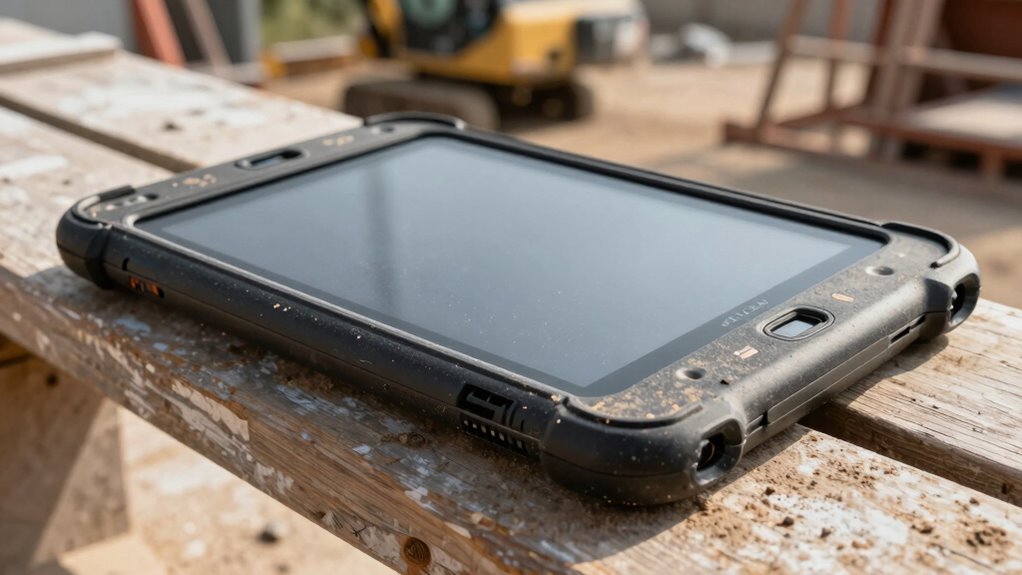

Rugged tablets cost more because they use specialized materials like reinforced plastics, strengthened glass, and corrosion-proof components designed to survive tough environments. They also go through rigorous testing and precise manufacturing processes to guarantee durability, water and dust resistance, and temperature tolerance. These extra steps and quality controls drive up the price beyond just their specs. If you want to understand what truly sets these devices apart, keep exploring the details behind their construction and testing.

Get the latest gadgets delivered free — and shop member deals
- Fast, free delivery on millions of items
- Access to Prime Big Deal Days deals on October 6–7
- Prime Video, Amazon Music and more included
Key Takeaways
- Rugged tablets use specialized materials and manufacturing processes that increase durability but add significant costs.
- They incorporate reinforced internal components and protective coatings to withstand harsh environments, raising expenses.
- Extensive testing and quality assurance ensure reliability under extreme conditions, which is time-consuming and costly.
- Certification to standards like MIL-STD-810 and IP ratings involves expensive testing and validation procedures.
- Overall costs reflect the investment in advanced materials, meticulous assembly, and rigorous testing beyond standard specs.
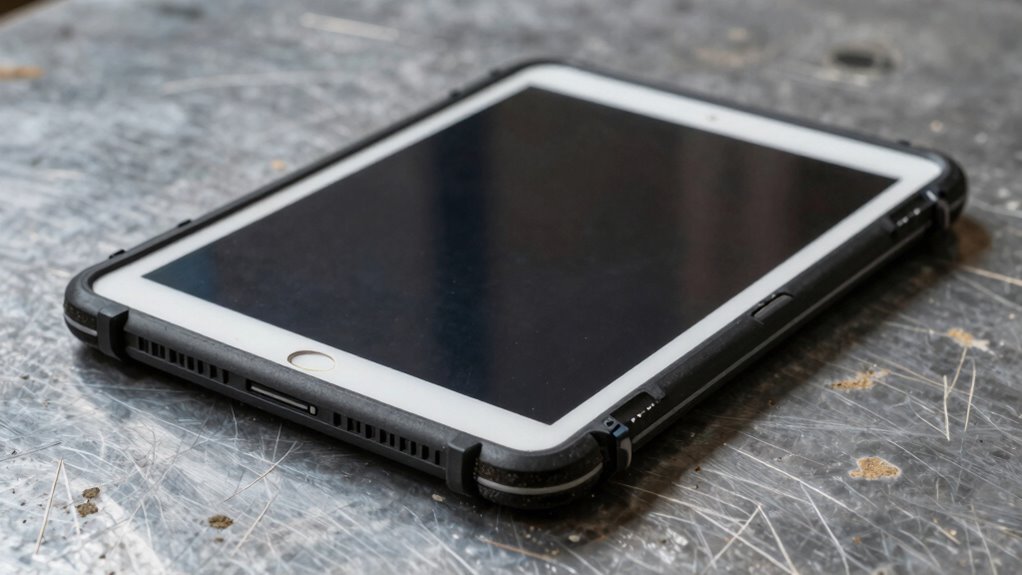
Rugged tablets typically come with a higher price tag because their durable designs and specialized features require more advanced materials and manufacturing processes. When you’re investing in a rugged device, you’re paying for more than just a standard tablet—you’re paying for industrial durability that guarantees the device can withstand harsh environments, drops, and vibrations. This durability isn’t achieved with ordinary components; it demands specialized components that are built to endure extreme conditions. These components are often more costly than their conventional counterparts because they undergo rigorous testing and quality control to meet strict standards like MIL-STD-810 or IP ratings.
Rugged tablets cost more due to advanced materials, specialized components, and rigorous testing for extreme conditions.
The core reason for the higher cost lies in the materials used. Rugged tablets are crafted from reinforced plastics, rubberized edges, and sometimes metal shells, all designed to absorb shocks and resist water, dust, and extreme temperatures. These materials are selected for their resilience, but they also come with a higher price tag compared to standard consumer-grade plastics. The manufacturing process itself is more complex, involving additional steps to guarantee that every seal, gasket, and joint maintains the device’s industrial durability. This meticulous process adds to the overall cost, but it’s necessary to secure the device’s reliable performance in demanding environments.
You’ll also notice that the specialized components inside rugged tablets are different from those in regular tablets. For example, they often feature reinforced internal circuit boards with protective coatings that prevent corrosion and damage from moisture or dust. The screens are typically made with strengthened glass like Gorilla Glass, which resists scratches and shattering. Battery systems are designed for safety and stability under extreme conditions, and the internal cooling systems are more robust to prevent overheating in high-temperature environments. All these specialized components are vital for maintaining the device’s durability, but they also drive up production costs. Additionally, the advanced manufacturing techniques used in assembly contribute significantly to the overall expense. These techniques often involve precision engineering to ensure every component fits perfectly and functions reliably, further increasing costs. Moreover, incorporating quality control measures throughout the manufacturing process helps prevent defects and ensures the rugged standards are consistently met.
Furthermore, the testing process for rugged tablets is more extensive. Manufacturers must simulate real-world scenarios—drops from specific heights, exposure to water or dust, temperature fluctuations—to guarantee their devices meet rigorous standards. This testing is both time-consuming and expensive but essential for securing reliability. Companies often perform comprehensive quality assurance**** procedures that involve multiple test cycles, further increasing manufacturing costs. As a result, the final retail price reflects not just the materials and components, but also the investment in quality assurance, making rugged tablets a more costly option upfront. The additional testing helps ensure that the device can perform consistently in unpredictable and challenging conditions.
In the end, you’re paying a premium for a device designed to withstand conditions that would destroy a typical tablet. The investment covers industrial durability, specialized components, and rigorous testing—elements that go far beyond the basic specs but are critical for your peace of mind in demanding environments.
As an affiliate, we earn on qualifying purchases.
Frequently Asked Questions
How Do Durability Features Impact Rugged Tablet Pricing?
Durability features considerably impact rugged tablet pricing because they involve extensive durability testing and high-quality materials. You pay more because these tablets withstand harsh environments, drops, and extreme temperatures. The superior material quality ensures longevity, adding to costs. Manufacturers invest in rigorous testing to guarantee reliability, which raises the price. So, the higher cost reflects the advanced durability features that protect your device in tough conditions.
What Maintenance Costs Are Associated With Rugged Tablets?
You’ll face some maintenance costs, like battery replacements and regular software updates. Sure, it sounds simple enough—swap out a battery or click “update”—but rugged tablets demand durable batteries that last longer and cost more. Plus, frequent software updates guarantee resilience against harsh environments, which can eat into your budget. So, while affordable at first glance, these sturdy devices keep you paying for their toughness long-term.
How Does Brand Reputation Influence Rugged Tablet Prices?
Brand reputation substantially influences rugged tablet prices because your perception of a brand’s reliability and quality affects what you’re willing to pay. If a brand has strong loyalty and a solid market perception, it can command higher prices due to trust and perceived value. You often pay a premium for trusted names, knowing they guarantee durability, support, and performance, which are essential for rugged tablet users in demanding environments.
Are There Hidden Costs in Rugged Tablet Warranties?
Yes, there can be hidden costs in rugged tablet warranties. Warranty coverage might not include all repairs or replacements, and some providers charge extra for extended or premium plans. You could also face hidden fees for service calls, shipping, or parts not covered under standard warranty. Always read the fine print to understand what’s included and be aware of potential additional costs that could arise during warranty claims.
How Do Supply Chain Issues Affect Rugged Tablet Prices?
Supply chain disruptions and component shortages drive rugged tablet prices up, forcing manufacturers to pay more for scarce parts. While specs might seem straightforward, these issues create delays and higher costs, which are passed on to you. You might think the hardware alone dictates the price, but supply chain challenges add hidden costs that make rugged tablets more expensive, even if the specs appear similar to less durable devices.
MIL-STD-810 certified rugged tablet
As an affiliate, we earn on qualifying purchases.
As an affiliate, we earn on qualifying purchases.
Conclusion
While rugged tablets might seem pricey just based on their specs, remember they’re built for durability, long-term use, and harsh environments. Think of it like buying a tough, all-weather backpack versus a regular one—sure, it costs more upfront, but it saves you money and hassle down the road. So, when you consider the extra protection and reliability, the higher cost makes perfect sense, especially if your work demands toughness and dependability.
waterproof dustproof industrial tablet
As an affiliate, we earn on qualifying purchases.
As an affiliate, we earn on qualifying purchases.
rugged tablet with corrosion-proof components
As an affiliate, we earn on qualifying purchases.
As an affiliate, we earn on qualifying purchases.
Evergreen bestsellers Picks
bestsellers
As an affiliate, we earn on qualifying purchases.