

Extended warranties can seem like a good way to protect pricey electronics or appliances, but many are scams or unnecessary expenses. They often hide restrictions, vague coverage, or high-pressure sales tactics, making it hard to trust the provider. Before buying, evaluate your product’s reliability, repair costs, and whether the warranty covers actual risks. If you want to uncover red flags and smarter protection options, keep exploring what you need to know.
Key Takeaways
- Extended warranties are worth considering if repair costs outweigh their price and the product has a history of frequent issues.
- Watch out for scams with unclear terms, vague coverage, high-pressure sales, and hidden exclusions.
- Assess the product’s reliability, manufacturer reputation, and whether warranty coverage matches your actual needs.
- Alternatives like home repair funds, insurance, or durable products can often provide better protection than extended warranties.
- Carefully review warranty details, customer reviews, and provider reputation to avoid unnecessary expenses and scams.
What Are Extended Warranties and Do You Need One?

Have you ever wondered whether an extended warranty is worth the extra cost? Extended warranties are additional coverage you purchase beyond the original manufacturers’ policies, often to protect against repairs after the warranty expiration. They can cover parts, labor, or both, but not all plans are the same. Before buying, check what’s included and compare it to the manufacturer’s policies—some may offer similar coverage at no extra cost. Understanding the warranty expiration is key; once it ends, you’re responsible for repairs. Decide if the extended warranty provides peace of mind or if the potential savings outweigh the cost. Additionally, consider how warranty coverage and other factors influence your decision, as these aspects can impact your overall satisfaction with the product. For high-value electronics, assessing manufacturer reputation can help determine if an extended warranty is a prudent investment. Moreover, evaluating the cost-benefit analysis can clarify whether purchasing an extended warranty aligns with your financial and usage needs. Performing a diversification strategy by spreading out your risks across various protections can also be beneficial in managing potential costs.
How Do Extended Warranties Work and What Do They Cover?

Extended warranties work by providing additional coverage beyond the manufacturer coverage, giving you protection against certain repairs after the initial warranty ends. When you purchase an extended warranty, it typically covers specific components or issues that may arise, depending on the plan. These warranties often outline what is included and excluded, so it’s important to read the fine print. During a repair process, you usually contact the warranty provider rather than the manufacturer directly. They may require you to use authorized repair centers or follow specific procedures. Keep in mind that coverage varies widely, with some plans covering major repairs and others only minor issues. Understanding how these warranties work helps you decide if the added protection aligns with your needs and the potential repair costs. Additionally, considering the European cloud innovation behind certain warranty providers can offer insights into their commitment to sustainable and secure solutions. It’s also helpful to evaluate whether the warranty coverage is cost-effective in relation to potential repair expenses. Moreover, reviewing the reputation and customer support of the warranty provider can help ensure you receive reliable assistance when needed. Knowing the coverage limitations can prevent surprises during claims and help you make more informed decisions. Being aware of potential hidden costs can further aid in assessing the true value of a plan before committing.
When Are Extended Warranties Worth Buying?

You should consider an extended warranty when the cost outweighs potential repair expenses, making it a smart investment. Evaluate the reliability of the product—if it tends to break down often, the warranty might be worth it. Additionally, understanding body jewelry measurements and materials can help you assess whether the warranty aligns with your needs and lifestyle. Considering the vetted quality of product components can also provide insight into the likelihood of repairs and the overall value of the warranty. Being aware of regional differences in product standards might influence your decision, especially if you live in an area with unique environmental factors. Recognizing the diverse investment opportunities that exist post-retirement can also help you weigh potential financial benefits against warranty costs.
Cost-Benefit Analysis
Determining whether an extended warranty is worth the cost depends on carefully weighing potential savings against the upfront expense. To do this effectively, consider the product’s pricing strategies and your personal risk tolerance. If the warranty cost is low compared to potential repair expenses, it may be a good deal. Also, think about how much customer satisfaction matters to you—peace of mind often justifies extra spending. Calculate the average repair costs for similar products and compare them to the warranty price. If the likelihood of repairs is high or repairs are costly, buying the warranty could save you money. Conversely, if the product is reliable, skipping the warranty might be smarter. Conducting this cost-benefit analysis helps you make an informed decision aligned with your budget and needs. Additionally, understanding the paranormal and supernatural factors that sometimes influence unexplained malfunctions can offer unique insights into product reliability. Recognizing reliable products and their typical failure rates is crucial in assessing whether an extended warranty adds value, especially when considering sound healing science and other emerging research that investigates device performance and longevity. Incorporating knowledge of psychological assessment tools can also help you evaluate your own risk tolerance and decision-making style in this context. Moreover, examining essential oil properties can help predict how certain products might behave over time, aiding in your evaluation of long-term durability.
Product Reliability Factors
Product reliability plays a key role in deciding whether an extended warranty makes financial sense. If your product’s durability is high and manufacturing quality is solid, you’re less likely to need extra coverage. Conversely, items prone to early failure or known for inconsistent quality may benefit from an extended warranty. Consider these factors:
- The product’s historical failure rates
- Manufacturer reputation for durability
- Complexity of the device, increasing repair risks
- Past reviews indicating common issues
- The warranty’s coverage scope versus potential repair costs
If you’re dealing with electronics or appliances from brands with a track record of reliability, an extended warranty might not be worth it. But for products with uncertain durability, it could save you money and hassle down the line.
How to Spot a Scam Extended Warranty?

Watch out for extended warranties with unclear contract terms that leave you confused about what’s covered. Be suspicious if salespeople pressure you into making quick decisions without giving you time to review the details. If it feels like you’re being rushed or pushed, it’s a red flag that the offer might be a scam. Additionally, be wary if the warranty terms lack transparency about coverage details and maintenance requirements. Always review the product warranty policies carefully to understand what is included and what is not, and consider whether the additional coverage aligns with your actual needs. Familiarizing yourself with common extended warranty scams can further protect you from fraudulent practices. Being aware of cloud service vulnerabilities can also shed light on potential risks associated with extended warranties for technology products.
Unclear Contract Terms
When reviewing an extended warranty, unclear contract terms can be a red flag. Hidden in the fine print, vague language or confusing legal jargon often mask restrictions or costs. Be wary if you see:
- Ambiguous language that’s hard to understand
- Exclusion clauses buried deep in the contract
- Unclear refund or cancellation policies
- Vague definitions of covered repairs
- Fine print that limits coverage without clear explanation
These signs suggest the warranty’s terms aren’t transparent, making it easy for scammers to hide limitations. Always read the entire contract carefully, especially the fine print. If terms seem overly complicated or vague, it’s a strong indication you might be dealing with a scam extended warranty. Transparency is key—trust clear, straightforward language. Additionally, connected appliances and smart home integrations can influence warranty coverage and should be clearly specified in the terms.
High-Pressure Sales Tactics
High-pressure sales tactics are a common warning sign of scam extended warranties. If a salesperson pushes you to make a quick decision, they’re likely using sales pressure to manipulate you emotionally. They might create a sense of urgency, claiming the offer is only available for a limited time or that you’ll miss out if you don’t act now. Be wary of emotional manipulation designed to cloud your judgment and prevent careful consideration. Legitimate warranties won’t pressure you into signing on the spot or make you feel guilty for hesitating. Take your time, ask questions, and review the terms carefully. Remember, a trustworthy company respects your need to think it over without resorting to high-pressure tactics.
What Factors Should You Consider Before Buying?

Before deciding to purchase an extended warranty, it’s important to evaluate several key factors. First, consider the pricing strategies used by providers—are the costs transparent, or do they seem inflated? Next, review customer reviews to gauge satisfaction and reliability. Think about the coverage offered: does it align with your needs, or are there gaps? Assess the warranty’s exclusions and fine print to avoid surprises later. Also, compare the value against potential repair costs; sometimes, the premium isn’t worth it. Ultimately, check the reputation of the provider—reliable companies tend to honor claims efficiently. By focusing on these factors, you can make an informed decision on whether an extended warranty is a worthwhile investment or just a scam waiting to happen.
Is an Extended Warranty Really Worth the Cost?

Are extended warranties worth the extra cost? It depends on your product’s lifespan and the warranty exclusions. If you plan to keep the item long enough for potential repairs, an extended warranty could save you money. However, many warranties exclude common issues like wear and tear, or damage caused by accidents, so check the fine print. Consider how likely it is that your product will need repairs during its typical lifespan. If the manufacturer’s warranty covers most problems and the extended plan offers little additional protection, it might not be worth the expense. On the other hand, if repairs are costly or the warranty covers a broad range of issues, paying extra could be a smart choice. Always weigh the coverage against the product’s expected durability.
Better Alternatives to Extended Warranties for Protection

Instead of relying solely on extended warranties, exploring alternative protection options can often provide better value and peace of mind. You can enhance consumer protection and manage repair costs more effectively by considering these options:
Explore alternative protection options for better value and peace of mind beyond extended warranties.
- Setting aside an emergency fund specifically for repairs
- Purchasing insurance policies tailored to your appliances or electronics
- Using credit cards that offer purchase protection and extended warranties
- Choosing products with higher durability or better warranty terms upfront
- Regular maintenance to prevent unexpected breakdowns and costly repairs
These alternatives often cost less than extended warranties and give you more control over repair expenses. By taking proactive steps, you can reduce reliance on warranties and ensure you’re financially prepared for potential issues.
Tips to Get the Best Deal on Your Warranty
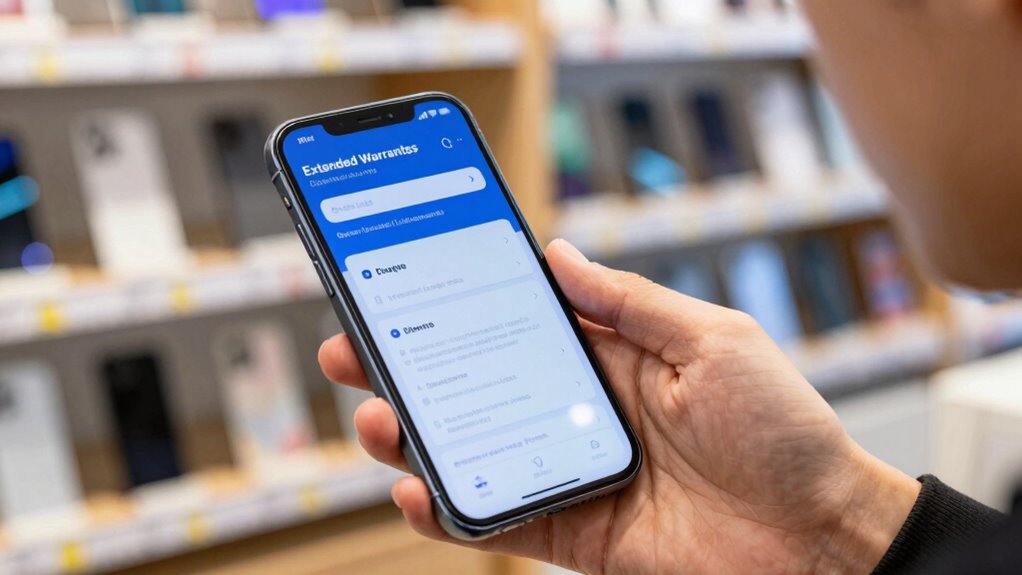
To get the best deal on your warranty, start by comparing coverage options and prices from multiple providers. Don’t fall for warranty myths that promise unlimited coverage; many have coverage limits that can leave you uncovered during major repairs. Be clear about what’s included and watch out for hidden fees. Ask providers about coverage limits and whether they honor claims promptly. Use this comparison table to visualize options:
| Provider | Coverage Limits | Cost | Notable Features |
|---|---|---|---|
| Provider A | $5,000 per claim | $300/year | No deductibles, broad coverage |
| Provider B | $2,500 per claim | $200/year | Limited coverage, high deductibles |
This quick comparison helps ensure you avoid overpaying and select a plan that truly meets your needs.
Frequently Asked Questions
Are Extended Warranties Transferable if I Sell the Product?
Yes, extended warranties can be transferable when you sell the product, offering transferability benefits. However, you should check for warranty restrictions, as some warranties only transfer under certain conditions or may require a fee. If you plan to sell, inform the buyer about the warranty’s transferability and any restrictions. This way, they can enjoy the coverage, making the product more appealing and potentially increasing its value.
Can I Cancel an Extended Warranty After Purchasing It?
Yes, you can usually cancel an extended warranty after purchasing it. Check the cancellation policies of your provider, which often allow you to annul within a certain window, like 30 days. Follow the refund procedures outlined in your warranty agreement, and you’ll likely receive a pro-rated refund. Be sure to contact customer service promptly to ensure a smooth cancellation process and full refund.
Do Extended Warranties Cover Accidental Damage or Only Manufacturer Defects?
Imagine your device suffering a catastrophic spill or drop—sounds terrifying, right? Most extended warranties typically cover manufacturer defects, not accidental damage. If you want protection against those unforeseen mishaps, look for plans explicitly including accidental damage. Otherwise, your warranty mainly guards against defects in materials or workmanship. Always read the fine print to determine exactly what’s covered, so you’re not caught off guard when accidents happen.
How Does the Cost of an Extended Warranty Compare to Potential Repair Expenses?
You’ll want to do a cost comparison between the price of an extended warranty and potential repair estimates. Typically, extended warranties cost more upfront than you’d pay for repairs on average, but they can save you money if major repairs happen. Consider your device’s reliability and repair history. If repairs tend to be expensive or frequent, the warranty might be worth it; otherwise, paying out-of-pocket could be smarter.
Are There Any Hidden Fees or Exclusions in Extended Warranties?
Like stepping into a time machine, extended warranties can hide surprises. You might encounter hidden fees or coverage exclusions that aren’t obvious upfront. Always read the fine print carefully, as some plans exclude common repairs or have additional costs for certain services. Don’t assume all coverage is straightforward—these hidden fees and exclusions can turn your warranty into a costly ordeal rather than a safeguard.
Conclusion
Before you decide, remember that an extended warranty is like a double-edged sword—it can protect or drain your wallet. Do your homework, compare options, and weigh the costs carefully. Sometimes, it’s smarter to set aside money for repairs rather than pay premiums. Arm yourself with knowledge, and you’ll steer clear of scams and make choices that truly serve your best interests—because in the end, your peace of mind is the most valuable warranty of all.