
Understanding exchange rates helps you plan your travel budget better by showing how much foreign currency you’ll get for your home money, which affects your expenses. Fluctuations happen often and unpredictably, so timing your currency exchanges can save you money. Monitoring rates and choosing the right method, like online converters or banks, can prevent surprises. To learn how to make smart currency decisions and stretch your travel funds, keep exploring the details.

Get the latest gadgets delivered free with Prime
- Fast, free delivery on millions of items
- Prime Video, Amazon Music and more included
- Member-only deals all year
Key Takeaways
- Exchange rates determine how much foreign currency you get for your home currency, directly impacting your travel expenses.
- Fluctuations driven by economic, political, and market factors can cause sudden changes in currency value.
- Monitoring exchange rates helps you convert currency when rates are favorable, saving money on your trip.
- Using banks, online converters, or travel cards can influence the total amount you receive, often with varying fees.
- Timing your currency exchange is crucial to maximize value and prevent unexpected travel budget shortfalls.
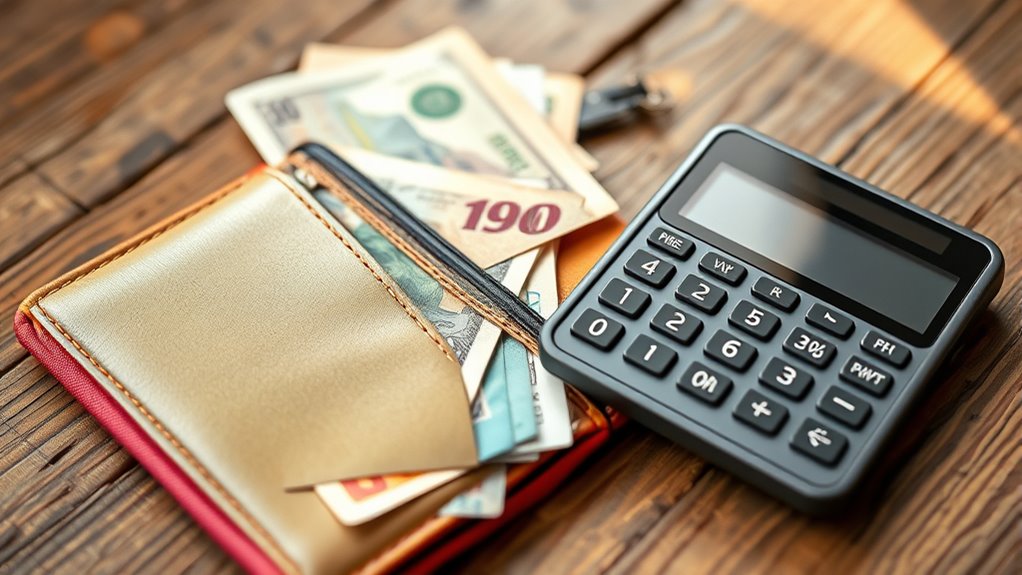
Have you ever wondered how the value of one currency compares to another? When you’re planning a trip abroad, understanding this comparison is vital because it directly impacts your travel budget. Exchange rates determine how much of your home currency you’ll get in exchange for the foreign currency, and these rates can fluctuate frequently. Exchange rate fluctuations happen due to various factors like economic indicators, political stability, and market speculation. These changes can be sudden and unpredictable, meaning that the amount of money you get when converting currencies today might be different tomorrow. That’s why timing your currency exchange is so important. If you exchange your money before a rate drops, you get more value for your currency. Conversely, if rates move unfavorably, you might end up spending more than you planned. Staying informed about these fluctuations can save you money and help you manage your travel expenses better.
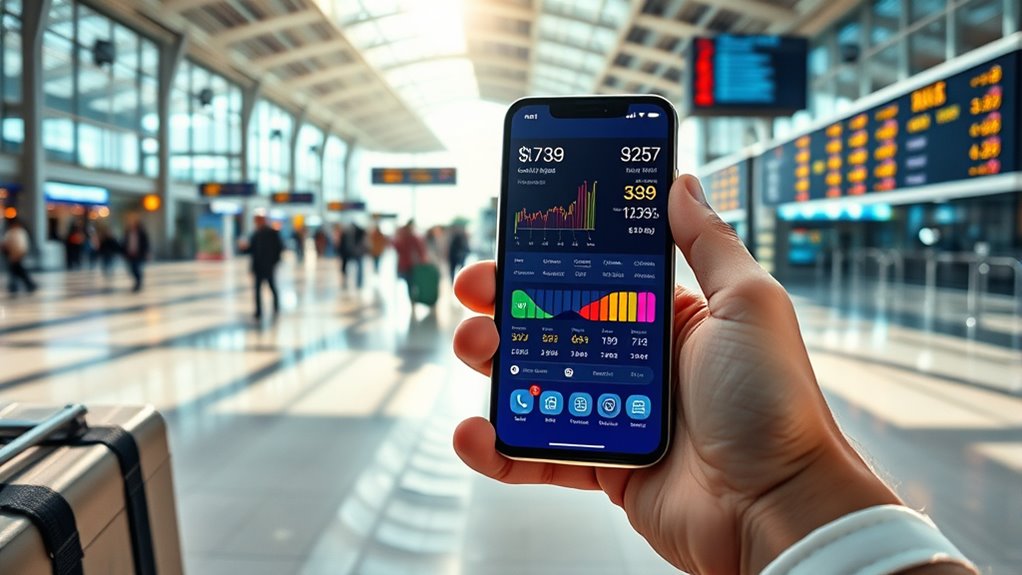
To navigate these changes, you need to understand currency conversion methods. There are primarily two ways to convert currencies: using online currency converters and exchanging money at banks or currency exchange offices. Online tools are quick and convenient, providing real-time updates on exchange rates, which helps you choose the best moment to buy foreign currency or pay for services. However, be aware that the rates displayed online often do not include transaction fees or margins added by currency exchange providers. When you exchange money at a bank or an authorized bureau, you might face additional fees, but the rates are typically more transparent and closer to the mid-market rate. Some travelers prefer using credit or debit cards for transactions abroad because many cards offer competitive exchange rates, but always check if your card issuer adds foreign transaction fees.
Additionally, understanding exchange rate fluctuations can help you better anticipate when to convert your currency and avoid unfavorable rates. Understanding the difference between the various currency conversion methods helps you make smarter decisions. For example, if you’re aware of recent exchange rate fluctuations, you can choose to exchange money when rates are favorable rather than waiting until the last minute, which might be risky if rates shift unfavorably. Additionally, some travelers opt for multi-currency accounts or travel prepaid cards that lock in certain rates, protecting them from sudden fluctuations. Ultimately, knowing how exchange rate fluctuations work and carefully selecting your currency conversion methods can make a significant difference in how much your trip costs. It empowers you to stretch your budget further, avoid unnecessary expenses, and enjoy your travel experience without financial surprises. Being proactive and informed about these factors is the key to mastering your travel finances.
Products Worth Considering

LG UltraGear 27-Inch QHD OLED Gaming Monitor, 240Hz, 0.03ms, G-SYNC Compatible, FreeSync Premium Pro, HDMI 2.1

Apple iPad Air (4th Generation, 10.9-inch, Wi-Fi, 256GB) – Space Gray

Sonos Era 100 Wireless Smart Speaker, Black
As an affiliate, we earn on qualifying purchases.
Frequently Asked Questions
How Do Political Events Influence Currency Exchange Rates?
Political events directly influence currency exchange rates by affecting political stability and government policies. When a country experiences political unrest or uncertainty, investors lose confidence, causing its currency to weaken. Conversely, stable governments and positive policies attract investment, strengthening the currency. As a traveler, you’ll notice these changes impact your budget because fluctuations in exchange rates can make your trip more or less expensive depending on the political climate.
What Is the Difference Between Spot and Forward Exchange Rates?
Think of spot and forward exchange rates like a snapshot and a promise of future scenery. Spot rates are current, reflecting immediate currency valuation factors and exchange rate determinants, used for quick transactions. Forward rates, on the other hand, are agreements to exchange currency later at a fixed rate, based on expectations of future currency movements. They help you hedge against fluctuations, giving you more control over your travel budget.
How Do Banks Profit From Currency Exchange?
Banks profit from currency exchange through bank margins and transaction fees. When you exchange money, they add a markup to the spot rate, which is their profit margin. Additionally, they charge transaction fees for each currency exchange, increasing their earnings. By combining these margins and fees, banks generate significant revenue, often making currency exchange more expensive for you while giving them a steady profit stream.
Can Exchange Rates Predict Economic Stability?
Think of exchange rates as a barometer, hinting at economic stability. While they can signal trends, they don’t predict it with certainty. Economic indicators like GDP growth or inflation, combined with currency reserves, offer clearer clues about stability. Sharp fluctuations might suggest turbulence ahead, but steady rates don’t guarantee calm. Use exchange rates alongside other indicators to get a fuller picture of a country’s economic health.
How Do Exchange Rate Fluctuations Impact International Investments?
When exchange rates fluctuate, you face higher risks in international investments. You might engage in currency speculation to profit from these changes, but it’s risky. To protect your investments, consider exchange rate hedging, which locks in rates and minimizes potential losses. Staying aware of these fluctuations helps you manage risks better, ensuring your investments remain more stable despite currency volatility.
Conclusion
By understanding currency exchange rates, you can better plan your travel budget and avoid unexpected costs. Did you know that currency fluctuations can impact your expenses by up to 10% or more? Staying informed allows you to choose the best exchange options and save money. So, before you travel, check the rates and consider timing your exchanges wisely—it’s a simple step that can make a big difference in how much you enjoy your trip without overspending.