
Biometric time clocks seem like a smart way to improve attendance accuracy, but they can still cause payroll mistakes if not managed properly. Errors like misread inputs, system glitches, or incorrect data security measures can lead to missed punches or overpayments. Insecure storage or lapses in privacy protections might also result in legal issues. Staying on top of system maintenance and compliance is essential. Keep going to discover how to prevent these common pitfalls and protect your payroll accuracy.

Get the latest gadgets delivered free with Prime
- Fast, free delivery on millions of items
- Prime Video, Amazon Music and more included
- Member-only deals all year
Key Takeaways
- Biometric clocks can still cause payroll errors if biometric data is misread or system glitches occur.
- Inadequate data security may lead to breaches, affecting payroll accuracy and employee trust.
- Regular audits are essential to detect and correct biometric input errors preventing payroll discrepancies.
- System misconfigurations or technical glitches can result in missed clock-ins or incorrect payments.
- Privacy concerns and compliance issues may lead to legal risks and impact payroll integrity.
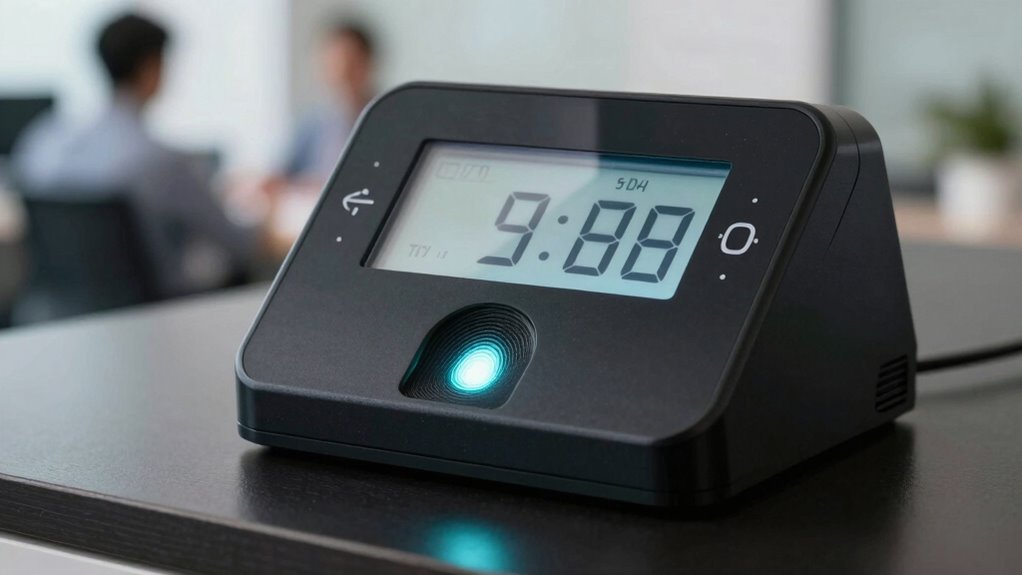
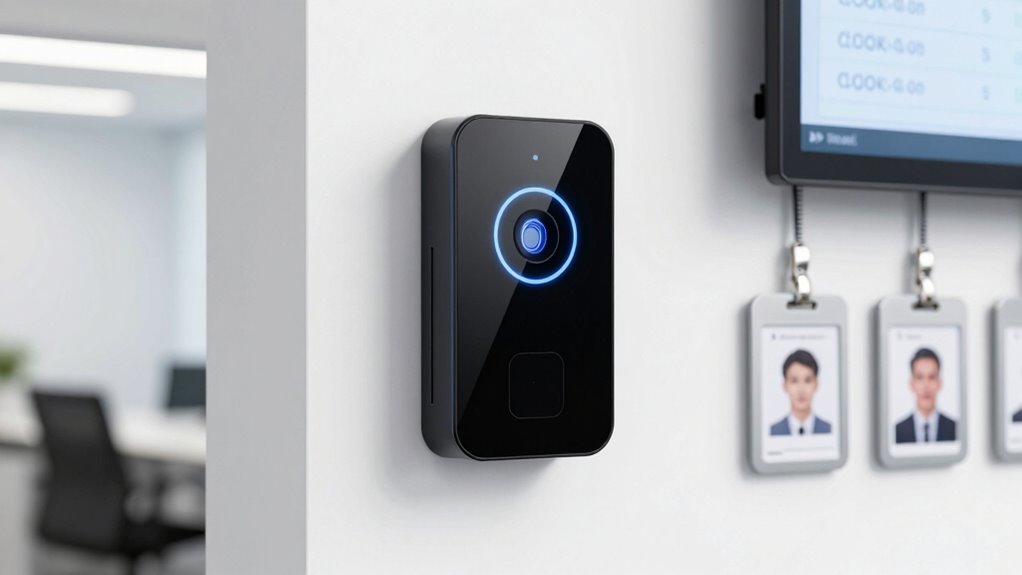
Biometric time clocks are designed to streamline attendance tracking and reduce errors, but they can still lead to payroll mistakes if not used properly. While these devices seem like a smart solution to manual timesheets, they introduce concerns about employee privacy and data security that you can’t ignore. When employees use biometric clocks—fingerprints, facial recognition, or other unique identifiers—you’re collecting sensitive data that must be protected. If data security measures aren’t robust, hackers or malicious insiders could access this information, risking identity theft or unauthorized use. That’s why, as someone responsible for payroll, you need to guarantee that the system you implement respects employee privacy and adheres to data protection standards.
Failing to do so can lead to significant errors. For example, if biometric data isn’t encrypted or stored securely, breaches might occur, resulting in inaccurate employee records. These inaccuracies can cause payroll errors—paying the wrong amount, missing hours, or even paying someone who isn’t authorized to clock in. Additionally, if your system isn’t configured correctly, it might misread biometric inputs, especially if facial recognition software struggles with lighting or angles. Such technical glitches can result in employees not being paid for hours worked or clocking in multiple times, creating payroll discrepancies that are frustrating to resolve. Regular system audits and maintenance are essential to ensure continued accuracy and security. Moreover, neglecting system updates can leave vulnerabilities that compromise data security and accuracy. Staying informed about biometric system vulnerabilities is equally important to anticipate and mitigate potential threats.
You might think biometric time clocks automatically eliminate common errors like buddy punching or forgotten punch-ins, but that’s only true if the system is managed properly. Human error can still occur if you don’t regularly verify that the data collected is accurate or if you neglect to audit the system. Moreover, if your company overlooks the importance of privacy and data security, you risk violating employee rights or legal regulations, which can lead to costly fines or lawsuits. To avoid these pitfalls, you must implement strict access controls, encrypt biometric data, and stay compliant with privacy laws like GDPR or HIPAA where applicable. Additionally, understanding the importance of data security measures is essential to maintaining a secure payroll system. Ensuring that your organization has robust cybersecurity protocols in place can further reduce the risk of data breaches and protect employee information.
In the end, biometric time clocks can be a smart tool for managing attendance, but only if you handle them with care. Protecting employee privacy and securing data are critical steps in preventing payroll mistakes and maintaining trust. If these elements are neglected, you open the door to errors, legal issues, and costly breaches. So, make sure your biometric system is designed with security and privacy in mind, and regularly review your processes to keep payroll accurate and employees confident that their sensitive information is safe.
biometric time clock with data security
As an affiliate, we earn on qualifying purchases.
As an affiliate, we earn on qualifying purchases.
Frequently Asked Questions
How Do Biometric Time Clocks Improve Payroll Accuracy?
Biometric time clocks improve payroll accuracy by ensuring precise employee clock-ins and outs, reducing buddy punching and manual errors. You’ll find that they respect employee privacy when implemented correctly, using secure data handling. Additionally, these systems are scalable, accommodating your growing workforce without sacrificing accuracy or efficiency. This combination helps you streamline payroll processes, minimize discrepancies, and maintain reliable records, ultimately saving time and reducing costly mistakes.
What Are Common Technical Issues With Biometric Time Clocks?
Coincidences often highlight overlooked issues; with biometric time clocks, technical problems like sensor malfunctions or connectivity drops can occur. These issues threaten system reliability, causing inaccurate punch-ins or delays. Data privacy concerns also surface if biometric data isn’t securely stored or transmitted. Regular maintenance and robust cybersecurity measures help prevent these problems, ensuring your system remains dependable and your employees’ private information stays protected.
How Secure Is Employee Data on Biometric Systems?
You might worry about employee data security on biometric systems, but they’re generally quite secure. Data encryption protects sensitive information during storage and transmission, reducing risks of breaches. However, privacy concerns still exist, especially if data isn’t handled properly or if access controls are weak. To guarantee safety, choose systems with strong encryption, strict access policies, and transparent privacy practices, giving you peace of mind about your employees’ data security.
Can Biometric Clocks Be Integrated With Existing Payroll Software?
Yes, biometric clocks with facial recognition and fingerprint sensors can often be integrated with your existing payroll software. You’ll want to check compatibility, but many systems offer APIs or third-party integrations that streamline data transfer. This seamless connection helps guarantee accurate employee hours, reduces manual entry errors, and simplifies payroll processing. Just make sure your payroll provider supports biometric data integration to maximize efficiency and security.
What Training Is Needed for Employees to Use Biometric Clocks?
You need minimal training for employee privacy and to master biometric clocks. Usually, a quick demo covers how to clock in and out, ensuring privacy is maintained and data remains secure. Employees might need a brief session on handling issues or troubleshooting, but overall, the process is straightforward. This quick training helps prevent errors, protects privacy, and keeps payroll running smoothly without causing frustration or confusion.
employee biometric attendance system
As an affiliate, we earn on qualifying purchases.
As an affiliate, we earn on qualifying purchases.
Conclusion
Even with biometric time clocks sounding like the future of payroll, don’t forget that about 7% of employees still face errors due to missed details. These mistakes can lead to over or underpaying, causing frustration and trust issues. Keep a close eye on payroll accuracy, and don’t depend exclusively on technology. Combining biometric clocks with careful review ensures you get the benefits without the costly mistakes, helping your team stay happy and motivated.
biometric fingerprint scanner for payroll
As an affiliate, we earn on qualifying purchases.
As an affiliate, we earn on qualifying purchases.
As an affiliate, we earn on qualifying purchases.
Halloween Picks
halloween
As an affiliate, we earn on qualifying purchases.