📊 Full opportunity report: Planning A DTC Product Launch With Influencer Performance Data on IdeaNavigator AI — validation score, market gap, and execution plan.

Get the latest gadgets delivered free with Prime
- Fast, free delivery on millions of items
- Prime Video, Amazon Music and more included
- Member-only deals all year
TL;DR
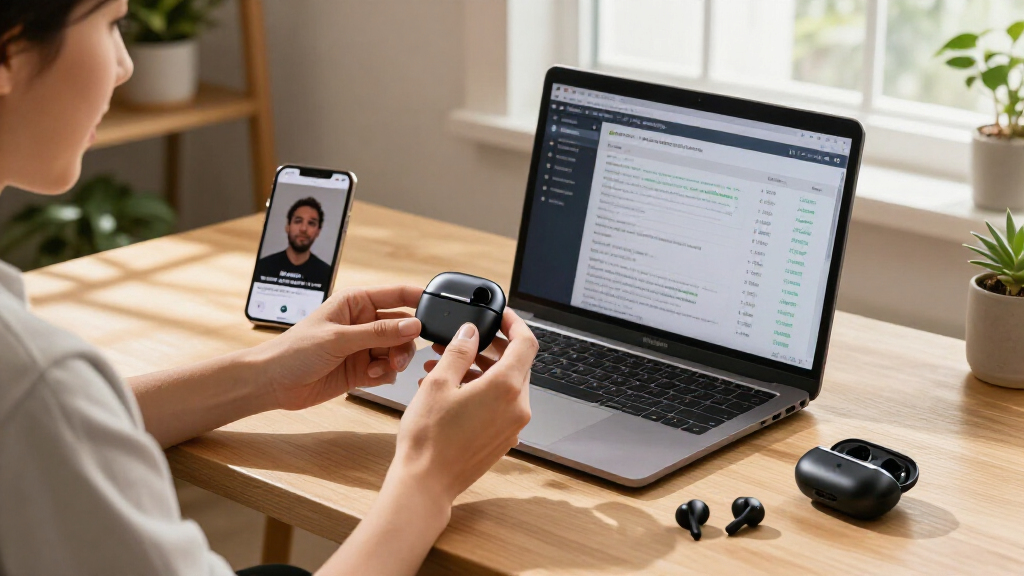
IdeaNavigator AI describes a proposed workflow for helping direct-to-consumer brands select influencer partners for product launches using audience-fit, engagement and sales signals. The concept has not been shown to improve sales: its proposed test is to score rosters for ten launches in advance and compare predictions with attributed results.
IdeaNavigator AI has outlined a proposed tool to rank influencer candidates for direct-to-consumer product launches, using signals such as audience fit, engagement authenticity and past category conversions where data is available. The concept is aimed at brands building launch rosters, but no product results or sales improvements are reported; the proposed validation is to make predictions for ten launches before results are known and compare them with attributed sales. These details come from the proposal published on IdeaNavigator AI’s website.
According to IdeaNavigator AI’s proposal, the workflow would ask a brand to provide information about its product and target customer. It would then assess candidate influencers across three areas: how well their audiences match the intended buyers, whether engagement appears authentic, and whether past category performance data indicates conversion potential. The tool would produce a ranked roster and suggest offer structures. The proposal does not define the scoring formula, the precise data sources, or how conflicting signals would be weighed.
The proposal identifies a problem: brands may select launch partners based on follower counts and subjective impressions, then learn after a campaign which partners appeared to drive sales. It presents the product as a way to put existing but fragmented evidence to work before a roster is finalized. The material names affiliate links, post-purchase surveys and Spark Ads data as possible attribution inputs, but does not report that these sources have been combined in a working system.
IdeaNavigator AI describes a subscription tiered by roster volume as the suggested commercial model, within the influencer marketing analytics market. The proposal provides no prices, customer commitments, launch date or revenue figures. It therefore describes a product concept, not evidence of a commercially available service or a validated marketing method.
Testing Influencer Picks Against Sales
If a scoring workflow can reliably connect pre-launch predictions to later outcomes, it could give brands a more disciplined way to allocate influencer budgets and compare partners across campaigns. That would matter particularly to companies that repeat product launches and currently have no consistent process for carrying performance lessons from one roster into the next.
But a ranked list is useful only if its scores predict results better than simpler selection methods. A creator’s performance can vary with the product, the offer, the campaign creative, timing and audience response. Attribution is also imperfect: affiliate links may miss purchases, surveys depend on customers’ recall, and advertising data reflects only the activity captured by its platform. The proposal’s value will depend on whether its method handles those limitations and produces repeatable, measurable gains, not merely plausible rankings.
Products Worth Considering

Bose QuietComfort Ultra Headphones (2nd Gen), Wireless Noise Cancelling Over-Ear Headphones, Driftwood Sand

Sonos One (Gen 2) Voice-Controlled Smart Speaker, White

DJI Mic 2 Wireless Microphone System with 2 Transmitters, 1 Receiver, and Charging Case
As an affiliate, we earn on qualifying purchases.
Fragmented Signals, Proposed Workflow
IdeaNavigator AI’s proposal frames the concept around a gap between the existence of marketing data and its practical use when brands choose launch partners. It names affiliate tracking as a way to associate some sales with creator links, post-purchase surveys as a way to ask customers where they heard about a product, and Spark Ads data as a source of information about promoted creator content. The proposal says these sources are not yet aggregated for the intended scoring task.
The validation plan in the proposal is specific in outline: score influencer rosters for ten launches before outcomes are known, preserve those predictions, and compare them with realized per-influencer attributed sales. Keeping the predictions sealed would help prevent rankings from being adjusted after results arrive. However, the description does not set out how launches would be selected, what counts as a successful prediction, or whether comparisons would account for spending and campaign differences.
Evidence Still Needed
No test results are reported in the IdeaNavigator AI proposal, and it provides no evidence that the proposed scoring approach has been deployed with brands. The description does not identify which platforms or datasets the system could access, how it would judge engagement authenticity, or what minimum amount of history would be required to assess category conversion. It also does not explain how it would treat creators with little sales history or audiences that appear suitable but have not been tested on comparable products.
The proposed ten-launch plan would provide an initial check, not by itself proof that a model generalizes across categories, price points or audience sizes. The proposal does not specify a control group, a comparison against follower-count-based selection, or a statistical method for judging accuracy. It is also unclear how attributed sales would be reconciled when tracking methods disagree, or how returns, repeat purchases and campaign costs would affect performance measures.
Ten Launches Are the Proposed Test
IdeaNavigator AI’s proposal names the next step as scoring rosters for ten product launches in advance, preserving the predictions, and comparing each influencer’s predicted performance with attributed sales after the campaigns. A useful report would disclose the scoring criteria, data coverage, prediction errors and comparison method, along with whether results differed by product or campaign. The proposal provides neither those results nor a timetable for publishing them.
Until such evidence is available, brands considering the idea would have to treat rankings as an unvalidated aid, not a substitute for campaign testing or measurement. Further details about a working product, participating brands, pricing and the outcomes of the proposed validation remain unreported.
Source: IdeaNavigator AI proposal
Key Questions
What is the proposed tool meant to do?
IdeaNavigator AI’s proposal says it would rank potential launch influencers using audience fit, engagement authenticity and category conversion history where that information is available, then suggest offer structures.
Is the scoring method proven to increase sales?
No results are reported in the proposal. It describes a planned validation approach, not evidence that the tool has improved sales or outperformed other ways of selecting influencers.
How would the proposal be tested?
The proposal calls for scoring rosters for ten launches before campaign outcomes are known, preserving the predictions, and comparing them with realized per-influencer attributed sales.
What data could inform the rankings?
IdeaNavigator AI names affiliate links, post-purchase surveys and Spark Ads data as possible attribution inputs, alongside audience and engagement signals. The proposal does not specify how those sources would be integrated.
Is a launch date or price available?
The proposal reports no launch date or pricing. It suggests a subscription tiered by the number of rosters scored as the business model.
Source: IdeaNavigator AI