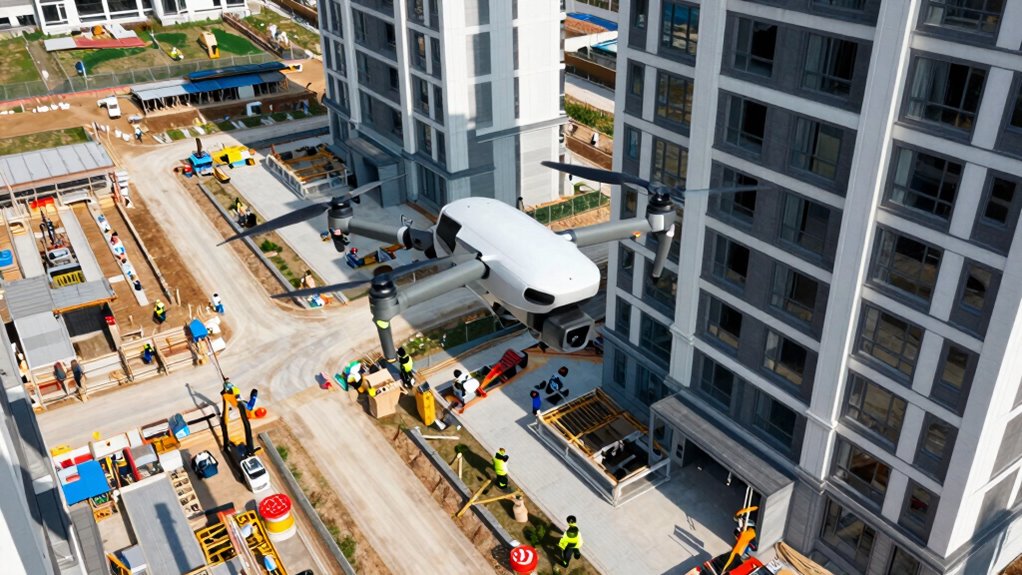

You’ll only save time with real estate drones if your workflows are well-organized and tight. Proper planning around drone use, routine maintenance, and understanding regulations help prevent delays. Keeping spare parts handy reduces downtime, while following safety and privacy rules avoids legal issues. When your processes run smoothly, you can capture high-quality visuals faster and focus on your clients. Want to discover how to build an efficient drone workflow that maximizes time savings? Keep exploring for more tips.
Key Takeaways
- Well-structured workflows streamline drone deployment, minimizing delays and maximizing time savings during property shoots.
- Proper planning and coordination prevent technical issues and re-shoots, ensuring efficient use of drone technology.
- Routine maintenance and compliance checks reduce downtime, keeping drones ready for quick deployment.
- Clear procedures for data handling and security prevent disruptions and protect client confidentiality.
- Understanding airspace restrictions and safety protocols avoids legal and operational delays, saving time overall.
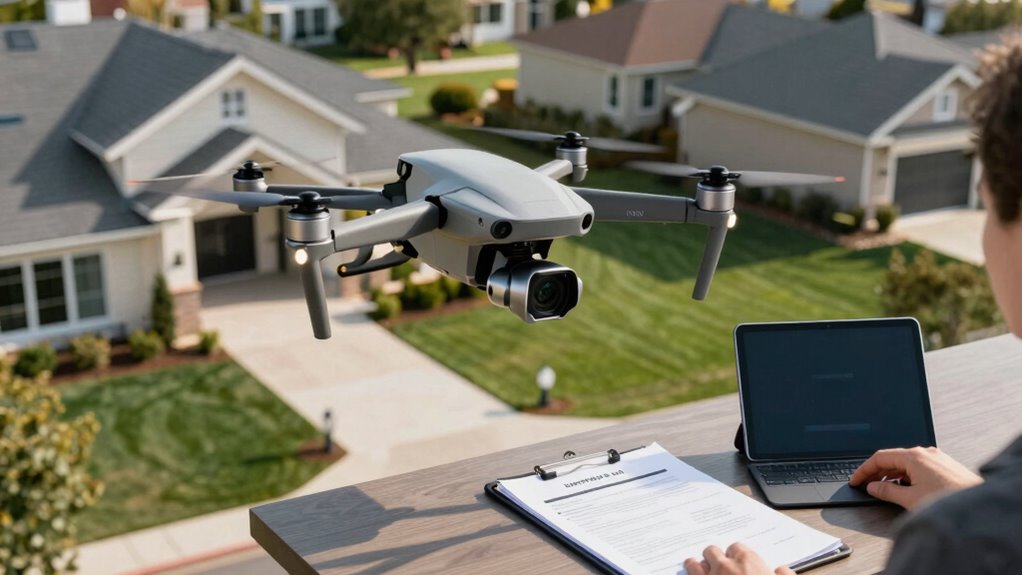
Have you ever wondered how real estate agents quickly get stunning property views without spending hours on site? It’s all about the efficient use of drones, which can capture high-quality images and videos in a fraction of the time traditional methods require. But to truly maximize their benefits, your workflows around drone use need to be tight. If you’re not prepared, even the most advanced drone technology can become a source of delays and headaches.
First, proper drone maintenance is essential. You can’t afford to have your drone malfunction or crash during an important shoot. Regular checks of batteries, propellers, and motors help prevent surprises. Keeping spare parts on hand and scheduling routine maintenance ensures your drone stays in top shape. When your equipment is reliable, you save time on troubleshooting or replacements during critical moments, allowing you to focus on capturing the best shots rather than fixing technical issues. Additionally, understanding regulatory compliance can help prevent unexpected legal complications that disrupt your workflow.
Regular drone maintenance prevents malfunctions, ensuring smooth shoots and allowing focus on capturing stunning property visuals.
Legal regulations also play a big role in how smoothly you can incorporate drones into your workflow. Flying a drone isn’t just about taking off and filming; you must be aware of local laws, airspace restrictions, and privacy rules. Failing to follow these regulations can lead to fines or confiscation of equipment, which can cause significant delays. Staying informed about legal requirements and obtaining necessary permits beforehand keeps your operations legal and efficient. It’s worth investing time in understanding the rules so you don’t get caught up in bureaucratic hurdles at the last minute. Incorporating workflow optimization principles can further enhance efficiency and reduce turnaround times.
In addition, familiarizing yourself with airspace restrictions helps prevent unexpected interruptions during flights and ensures safety. In the end, drones can save you significant time — but only if you have processes that support their effective use. Regular drone maintenance ensures your equipment is ready when you need it, and understanding legal regulations prevents costly delays. Incorporating cybersecurity best practices into your drone operations helps protect sensitive data and ensure your workflows remain secure. Moreover, safeguarding your data can help build trust with clients who are concerned about privacy issues. Combine these factors with a well-organized workflow, and you’ll find that your property marketing becomes more efficient and impactful. When everything is in sync, drones become a powerful tool that helps you stand out in the competitive real estate market.
professional drone spare parts kit
As an affiliate, we earn on qualifying purchases.
As an affiliate, we earn on qualifying purchases.
Frequently Asked Questions
What Are the Legal Requirements for Drone Usage in Real Estate?
You need to guarantee you’re compliant with drone licensing and privacy regulations when using drones for real estate. Obtain the necessary drone license from the FAA, which involves passing a knowledge test. Respect privacy laws by avoiding intrusive shots and gaining consent from property owners and neighbors if needed. Staying updated on local laws helps you avoid fines or legal issues, making your drone use both effective and lawful.
How Do Weather Conditions Affect Drone Operations?
Weather impact can be like trying to fly a kite in gusty winds—you’ll struggle and risk crashing. For drone operations, rain, fog, and high winds create flight restrictions, making it unsafe or impossible to fly. Even a slight drizzle can damage equipment or skew footage. Always check weather forecasts and plan flights during clear conditions to guarantee safety, quality, and compliance with regulations, avoiding costly delays.
What Are the Costs Associated With Deploying Real Estate Drones?
The costs of deploying real estate drones include initial equipment purchase, ongoing drone maintenance, and training expenses. You should perform a thorough cost analysis to understand these expenses and guarantee they fit your budget. Remember, investing in quality drones reduces maintenance costs over time and improves reliability. Factor in potential insurance costs and licensing fees, which also influence your overall expenditure, helping you make informed decisions about drone deployment.
How Do Clients Perceive Drone Footage in Property Listings?
Clients perceive drone footage as a powerful tool that enhances visual impact and builds trust in your listings. They appreciate the clear, sweeping views that showcase a property’s size and surroundings, making the listing stand out. When you use high-quality drone visuals, clients feel more confident about the property’s potential, fostering trust. Overall, drone footage creates a memorable experience that can positively influence their decision-making process.
What Training Is Needed to Operate Real Estate Drones Effectively?
To operate real estate drones effectively, you need proper training in flight planning and drone maintenance. You should learn how to plan safe, efficient flights that maximize property visuals while complying with regulations. Regular drone maintenance guarantees your equipment stays reliable and safe to fly. Practice controlling the drone smoothly and understanding battery management. This training helps you capture high-quality footage, saving time and avoiding costly mistakes during property shoots.
real estate drone maintenance tools
As an affiliate, we earn on qualifying purchases.
As an affiliate, we earn on qualifying purchases.
Conclusion
If you think drones alone will revolutionize your real estate game, think again. Without razor-sharp workflows and flawless coordination, these flying marvels become just another gadget gathering dust. When your processes are tight, drones can slash your listing times and skyrocket your sales faster than you ever imagined. But neglect the groundwork, and they’re just high-tech toys. Get your workflows in perfect sync, and watch your efficiency soar beyond the clouds—literally!
drone regulatory compliance guide
As an affiliate, we earn on qualifying purchases.
As an affiliate, we earn on qualifying purchases.
high-quality drone batteries for real estate
As an affiliate, we earn on qualifying purchases.
As an affiliate, we earn on qualifying purchases.