
When selecting a gaming CPU, performance, core count, and compatibility are key considerations. The Intel Core i7-14700K stands out as the overall best for its impressive balance of speed and multitasking, while the AMD Ryzen 5 7600X offers excellent value for budget-conscious gamers. Higher-end options like the Intel Core i9-12900KF cater to enthusiasts seeking maximum power, but often come with a higher price tag and increased power consumption. Many gamers face tradeoffs between raw performance, cost, and future-proofing. Keep reading for a detailed breakdown of these CPUs and find the best fit for your gaming setup.

Get the latest gadgets delivered free with Prime
- Fast, free delivery on millions of items
- Prime Video, Amazon Music and more included
- Member-only deals all year
Complete the kit



Key Takeaways
- Core count and clock speed are the primary factors impacting gaming performance, but balance matters—more cores don’t always mean better gaming if the game is not optimized for multi-threading.
- Higher-tier CPUs like the Intel Core i9-12900KF deliver top-tier performance but come with increased cost, power draw, and sometimes compatibility challenges.
- AMD‘s 3D V-Cache technology, as seen in the Ryzen 7 5800X3D and Ryzen 7 7800X3D, offers significant gaming performance improvements, especially in cache-sensitive titles.
- Budget options like the Ryzen 5 5500 provide decent gaming experiences but may bottleneck in high-end, GPU-bound scenarios; suitable for entry-level builds.
- The choice of motherboard and memory compatibility can influence overall performance and upgrade paths, making platform considerations essential.
| Intel Core i7-14700K 14th Gen Gaming Desktop Processor, 20 Cores, Unlocked | 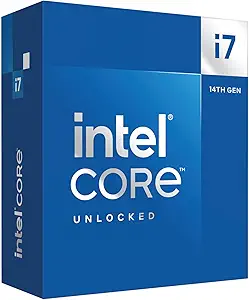 | Best Overall Gaming CPU | Cores: 20 (8 P-cores + 12 E-cores) | Threads: 28 | Integrated Graphics: Intel UHD Graphics 770 | VIEW ON AMAZON | See Our Full Breakdown |
| AMD Ryzen 5 7600X 6-Core, 12-Thread Unlocked Desktop Processor | 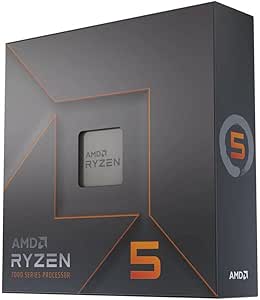 | Best Value for Gaming | Processor Series: Ryzen 5 | Processor Speed: 5.3 GHz | Processor Socket: Socket AM5 | VIEW ON AMAZON | See Our Full Breakdown |
| AMD Ryzen 7 5800X3D 8-core, 16-Thread Desktop Processor with AMD 3D V-Cache Technology |  | Best for Gaming Performance with Large Cache | Processor Series: Ryzen 7 | Processor Speed: 4.5 GHz | Processor Socket: Socket AM4 | VIEW ON AMAZON | See Our Full Breakdown |
| Intel Core i9-12900KF Gaming Desktop Processor, 16 Cores (8P+8E), Up to 5.2 GHz, Unlocked, LGA1700, 125W |  | Best High-End Gaming Powerhouse | Cores: 16 (8P+8E) | Base Clock: Up to 5.2 GHz | Socket: LGA1700 | VIEW ON AMAZON | See Our Full Breakdown |
| AMD Ryzen 7 7800X3D 8-Core, 16-Thread Desktop Processor | 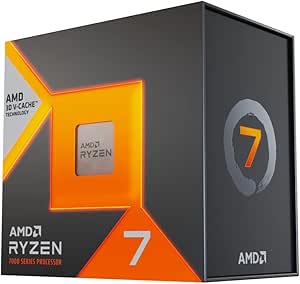 | Best for Multitasking and Future-Proofing | Processor Cores: 8 | Threads: 16 | Base Clock Speed: 4.2 GHz | VIEW ON AMAZON | See Our Full Breakdown |
| AMD Ryzen 5 9600X 6-Core, 12-Thread Unlocked Desktop Processor |  | Best for High-Refresh Gaming Performance | Cores: 6 | Threads: 12 | Max Boost Clock: 5.4 GHz | VIEW ON AMAZON | See Our Full Breakdown |
| AMD Ryzen 5 5500 6-Core Desktop Processor with Wraith Stealth Cooler |  | Best for Budget-Friendly Gaming and Upgraders | Processor Series: Ryzen 5 | Processor Speed: 4.2 GHz | Processor Socket: Socket AM4 | VIEW ON AMAZON | See Our Full Breakdown |
| AMD Ryzen 7 9800X3D 8-Core, 16-Thread Desktop Processor |  | Best for High-End Gaming and Productivity | Processor Series: Ryzen 7 | Processor Speed: 4.7 GHz | Processor Socket: Socket AM5 | VIEW ON AMAZON | See Our Full Breakdown |
| gaming cpu | Processor Series | Processor Speed | Processor Socket | Secondary Cache |
|---|---|---|---|---|
| Intel Core i7-14700K 14th Gen | — | — | — | — |
| AMD Ryzen 5 7600X 6-Core | Ryzen 5 | 5.3 GHz | Socket AM5 | 38 MB |
| AMD Ryzen 7 5800X3D 8-core | Ryzen 7 | 4.5 GHz | Socket AM4 | 100 MB |
| Intel Core i9-12900KF Gaming D | — | — | — | — |
| AMD Ryzen 7 7800X3D 8-Core | — | — | — | — |
| AMD Ryzen 5 9600X 6-Core | — | — | — | — |
| AMD Ryzen 5 5500 6-Core Deskto | Ryzen 5 | 4.2 GHz | Socket AM4 | 16 MB |
| AMD Ryzen 7 9800X3D 8-Core | Ryzen 7 | 4.7 GHz | Socket AM5 | 8 MB |
More Details on Our Top Picks
Intel Core i7-14700K 14th Gen Gaming Desktop Processor, 20 Cores, Unlocked
The Intel Core i7-14700K stands out for its massive core and thread count, making it a versatile choice for gamers who also want strong multitasking abilities. Compared to the AMD Ryzen 7 5800X3D, it offers more cores and higher clock speeds, which can translate into smoother gameplay and better future-proofing. However, this power comes with the tradeoff of higher power consumption and the need for a compatible, potentially costly motherboard with a BIOS update. Its integrated Intel UHD Graphics 770 makes it suitable for casual gaming, but serious gamers will still prefer a dedicated GPU. This CPU is best suited for enthusiasts who want top-tier performance and are willing to handle the complexity of a high-power system.
Pros:- Massive core and thread count for gaming and multitasking
- Supports both DDR4 and DDR5 memory platforms
- Unlocked for overclocking
Cons:- Requires compatible motherboard with BIOS update
- Potentially high power consumption
Best for: High-end gamers and streamers who need maximum multitasking capability and overclocking flexibility
Not ideal for: Budget-conscious gamers or those seeking a simple upgrade, as it requires a compatible motherboard and potentially higher power supply
- Cores:20 (8 P-cores + 12 E-cores)
- Threads:28
- Integrated Graphics:Intel UHD Graphics 770
- Max Turbo Frequency:5.6 GHz
- Socket Compatibility:Intel 600-series and 700-series
- Memory Support:DDR4 and DDR5
Our verdict“This CPU is ideal for gamers seeking unmatched performance and overclocking potential, despite its higher complexity and cost.”
AMD Ryzen 5 7600X 6-Core, 12-Thread Unlocked Desktop Processor
The AMD Ryzen 5 7600X offers a compelling balance of speed and efficiency, with a boost clock up to 5.3 GHz that rivals higher-end chips like the Intel Core i9-12900KF in gaming performance. While it has fewer cores than the i9, its high clock speeds and efficient 5 nm process make it a top choice for gamers who want strong performance without breaking the bank. Its inclusion of integrated Radeon Graphics adds value for casual gaming, but it lacks the overclocking headroom and advanced features of more premium options. This CPU makes the most sense for gamers who prioritize high frame rates and efficiency at a reasonable price point.
Pros:- High processing speed with up to 5.3 GHz boost
- Built on a 5 nm process for efficiency
- Includes integrated Radeon Graphics
Cons:- Wattage of 105 W may require robust cooling
- Limited overclocking information
Best for: Budget-conscious gamers seeking high performance with good integrated graphics and overclocking potential
Not ideal for: Content creators or streamers who need extensive multitasking capabilities or more cores for rendering
- Processor Series:Ryzen 5
- Processor Speed:5.3 GHz
- Processor Socket:Socket AM5
- Secondary Cache:38 MB
- Wattage:105 W
- Processor Count:6
Our verdict“This processor delivers excellent gaming performance at an attractive price, making it ideal for gamers who want speed and efficiency without overspending.”
AMD Ryzen 7 5800X3D 8-core, 16-Thread Desktop Processor with AMD 3D V-Cache Technology
The Ryzen 7 5800X3D excels in gaming thanks to its 3D V-Cache technology, boosting gaming framerates considerably compared to standard Ryzen 7 models like the Ryzen 7 7800X3D. Its 100 MB cache significantly improves game load times and responsiveness, making it a top choice for gamers focused on performance. However, it doesn’t include a cooler, so cooling solutions must be purchased separately, and it’s limited to PCIe 4.0 on older motherboards. This CPU is ideal for gamers who want maximum in-game performance without the need for the latest socket or cutting-edge features, but it’s less suited for multitasking or productivity tasks.
Pros:- Excellent gaming performance due to large 100 MB cache
- High clock speed of 4.5 GHz
- Supports PCIe 4.0 on compatible boards
Cons:- Cooler not included; high-performance cooling needed
- Limited to older Socket AM4 motherboards
Best for: Gamers seeking peak gaming performance and large cache benefits, especially on older platforms
Not ideal for: Content creators or multitaskers who need more cores or newer platform features
- Processor Series:Ryzen 7
- Processor Speed:4.5 GHz
- Processor Socket:Socket AM4
- Secondary Cache:100 MB
- Wattage:105 W
- Processor Count:8
Our verdict“This CPU is a prime pick for gamers who prioritize gaming FPS and cache advantages over multi-core productivity.”
Intel Core i9-12900KF Gaming Desktop Processor, 16 Cores (8P+8E), Up to 5.2 GHz, Unlocked, LGA1700, 125W
The Intel Core i9-12900KF offers a blend of high core count and high clock speeds, making it a top-tier choice for demanding gamers and multitaskers. Its hybrid architecture with 8 performance cores and 8 efficiency cores provides excellent gaming performance comparable to the Intel Core i7-14700K, but with a lower core count. The unlocked design allows overclocking, and its power efficiency, thanks to 10nm architecture, is better than older high-core CPUs. However, it requires a compatible LGA1700 motherboard and a discrete GPU, which could increase overall system cost. This processor is best suited for gamers who want elite gaming performance and multitasking without the extreme price of the i7-14700K.
Pros:- High-performance 16-core setup for gaming and multitasking
- Unlocked for overclocking
- Power-efficient 10nm architecture
Cons:- Requires newer LGA1700 motherboard
- Discrete graphics needed for gaming
Best for: High-end gamers and streamers who need top-tier performance with overclocking ability
Not ideal for: Budget gamers or those with existing LGA1200 systems, as upgrade costs could be high
- Cores:16 (8P+8E)
- Base Clock:Up to 5.2 GHz
- Socket:LGA1700
- Cache:30 MB L3
- Power:125W
Our verdict“This CPU suits high-end gamers seeking exceptional performance and overclocking capability, with some upgrade costs involved.”
AMD Ryzen 7 7800X3D 8-Core, 16-Thread Desktop Processor
The Ryzen 7 7800X3D builds on AMD’s 5nm process and 3D V-Cache tech, making it an appealing choice for gamers and multitaskers alike. It provides a solid 4.2 GHz base clock and large 96 MB L3 cache, which benefits both gaming and productivity. Compared with the Intel Core i7-14700K, it offers fewer cores but emphasizes cache size for gaming, making it a well-rounded option for those who value multitasking alongside gaming. Its lack of included cooling and maximum operating temperature of 89°C mean users need to plan their cooling solutions carefully. This CPU is best for consumers who want a balanced, future-proof system with good gaming and multitasking performance.
Pros:- Efficient 5nm process technology
- Large 96 MB L3 cache for multitasking
- Good mix of gaming and productivity performance
Cons:- No cooler included, requiring additional purchase
- Maximum operating temperature of 89°C demands good cooling
Best for: Multitaskers and gamers who want a reliable, future-ready platform with large cache benefits
Not ideal for: Overclockers or those seeking the highest core count for heavy productivity tasks
- Processor Cores:8
- Threads:16
- Base Clock Speed:4.2 GHz
- Cache:96 MB L3
- Process Technology:5 nm
Our verdict“This processor offers a strong mix of gaming and multitasking performance, suited for users who want a balanced, future-proof build.”
AMD Ryzen 5 9600X 6-Core, 12-Thread Unlocked Desktop Processor
The AMD Ryzen 5 9600X stands out for delivering excellent gaming performance at high frame rates, often exceeding 100 FPS in demanding titles. Compared to the Ryzen 7 9800X3D, it offers slightly lower core count but benefits from the latest Zen 5 architecture and support for DDR5-5600 memory, which can boost future-proofing. Its unlocked design makes overclocking straightforward, but it requires a compatible AM5 platform and an aftermarket cooler, adding to the build complexity and cost. This CPU is ideal for gamers who want top-tier performance without stepping into the premium price range of Ryzen 7 or Intel’s high-end options. However, it’s limited to AMD’s latest platform and doesn’t include a cooler. Tradeoffs include a narrower upgrade path and the need for a new motherboard.
Pros:- High gaming frame rates with 100+ FPS in most titles
- Support for DDR5-5600 and PCIe 5.0 for future upgrades
- Unlocked for overclocking on compatible motherboards
Cons:- Requires a new, expensive AM5 motherboard and cooler
- Limited to AMD’s latest platform, upgrading may be costly
Best for: Gamers seeking the best possible frame rates with a modern, future-ready platform.
Not ideal for: Budget builders or those with existing AM4 platforms who prefer easy upgrades without additional motherboard costs.
- Cores:6
- Threads:12
- Max Boost Clock:5.4 GHz
- Cache:38 MB
- Memory Support:DDR5-5600
- Socket:AM5
- Overclocking:Unlocked
Our verdict“This CPU is best for gamers targeting cutting-edge performance and willing to invest in a new platform.”
AMD Ryzen 5 5500 6-Core Desktop Processor with Wraith Stealth Cooler
The AMD Ryzen 5 5500 offers a solid 6-core, 12-thread performance at a budget-friendly price, making it a good choice for gamers who are upgrading from entry-level systems. It runs at a max boost of 4.2 GHz, which is adequate for most modern titles, especially when paired with a discrete graphics card. Compared with the Ryzen 7 5800X3D, the 5500 is less powerful but more affordable and compatible with existing AM4 motherboards, reducing upgrade costs. It includes a Wraith Stealth cooler, simplifying initial setup but limiting overclocking potential. This CPU is suitable for users who want gaming performance without the need for a high-end platform or excessive investment. However, it requires a separate GPU and doesn’t support DDR5 memory, meaning it’s less future-proof. Tradeoffs involve lower performance ceiling and older platform compatibility.
Pros:- Affordable price with reliable 6-core performance
- Includes a Wraith Stealth cooler for easy setup
- Unlocked for overclocking on compatible motherboards
Cons:- Requires a discrete graphics card for gaming
- Limited to DDR4 memory and older AM4 platform
Best for: Budget-conscious gamers and first-time builders upgrading existing AM4 systems.
Not ideal for: High-end gamers or streamers who need maximum processing power and future-proof features.
- Processor Series:Ryzen 5
- Processor Speed:4.2 GHz
- Processor Socket:Socket AM4
- Secondary Cache:16 MB
- Wattage:65 watts
- Cache Memory:19 MB
Our verdict“This CPU makes the most sense for gamers on a tight budget who already own or plan to upgrade to an AM4 motherboard.”
AMD Ryzen 7 9800X3D 8-Core, 16-Thread Desktop Processor
The Ryzen 7 9800X3D stands out for its 8-core, 16-thread design combined with AMD’s 3D V-Cache technology, which excels in gaming scenarios requiring large caches. With a boost clock up to 5.2 GHz, it offers a competitive edge over the Ryzen 5 9600X in both gaming and multitasking. Compared to the Ryzen 7 5800X3D, it features an improved cache structure and higher clock speeds, making it more suitable for demanding workflows. It requires an AM5 platform and an external cooler, adding to setup complexity, but its thermal efficiency and cache size deliver faster load times and smoother gameplay. This CPU is best for gamers who also do productivity work and want a balanced, high-performance platform. The higher wattage of 140W means more robust cooling is necessary. Tradeoffs include higher power consumption and platform upgrade costs.
Pros:- High-performance 8-core, 16-thread design with fast clock speeds
- Large 96MB L3 cache optimized for gaming and multitasking
- Efficient thermal design for demanding workloads
Cons:- Requires a new, more expensive AM5 motherboard and cooler
- High power consumption at 140W may increase overall system costs
Best for: Power users who want top-tier gaming combined with productivity tasks on a modern system.
Not ideal for: Casual gamers or those with limited budget, as it demands a new motherboard and cooling solutions.
- Processor Series:Ryzen 7
- Processor Speed:4.7 GHz
- Processor Socket:Socket AM5
- Secondary Cache:8 MB
- Wattage:140 watts
- Cache Memory Installed Size:8 MB
Our verdict“This CPU is ideal for enthusiasts seeking a blend of gaming prowess and productivity on a modern platform.”

How We Picked
We evaluated these CPUs based on key performance metrics, including gaming benchmarks, core and thread count, clock speeds, and overclocking capability. Usability factors like compatibility with current motherboards, power consumption, and thermal performance also played a role. To ensure relevance, we prioritized models that offer a balance of price and performance suited for gaming-specific workloads. The ranking reflects a combination of benchmark results, value for money, and future-proofing potential, helping gamers identify options that match different performance needs and budgets.| gaming cpu | Processor Series | Processor Socket |
|---|---|---|
| Intel Core i7-14700K 14th Gen | — | — |
| AMD Ryzen 5 7600X 6-Core | Ryzen 5 | Socket AM5 |
| AMD Ryzen 7 5800X3D 8-core | Ryzen 7 | Socket AM4 |
| Intel Core i9-12900KF Gaming D | — | — |
| AMD Ryzen 7 7800X3D 8-Core | — | — |
| AMD Ryzen 5 9600X 6-Core | — | — |
| AMD Ryzen 5 5500 6-Core Deskto | Ryzen 5 | Socket AM4 |
| AMD Ryzen 7 9800X3D 8-Core | Ryzen 7 | Socket AM5 |
Factors to Consider When Choosing Gaming Cpu
Choosing the right gaming CPU involves more than just raw numbers. It’s important to consider your overall system, including motherboard compatibility, RAM support, and your gaming resolution. A CPU’s core count and clock speed directly influence game performance, but other factors like cache size and overclocking potential can also make a difference. Avoid focusing solely on high core counts for gaming, as many titles are still optimized for fewer cores. Budget constraints and future upgrade plans should also influence your decision, ensuring you get the best value without sacrificing essential features.Performance and Core Count
While more cores can help with multitasking and streaming, most current games benefit most from higher clock speeds and strong single-thread performance. A CPU like the Intel Core i7-14700K offers a great balance of cores and speed to handle demanding AAA titles without overspending. Be cautious with ultra-high core count CPUs if your main focus is gaming, as many titles do not effectively utilize them and you might spend more without tangible benefits.
Compatibility and Platform
Motherboard compatibility is a key consideration. Intel’s latest chips require specific chipsets, while AMD’s AM5 platform supports newer CPUs but may be more expensive initially. Upgrading later can be easier if you choose a platform with future CPU support. Also, verify that your RAM and cooling solutions are compatible with the CPU you select to avoid bottlenecks or performance issues.
Overclocking and Power Consumption
If you plan to overclock, select a CPU that supports unlocked multipliers, like the Intel K-series or AMD X-series. Overclocking can boost performance but increases power consumption and heat output, so investing in quality cooling is essential. Consider your case airflow and power supply capacity to avoid stability issues during extended gaming sessions.
Value and Future-Proofing
Balance your budget with future needs. Higher-end CPUs tend to offer better longevity and compatibility with upcoming titles, but they come at a premium. Mid-range options like the Ryzen 5 7600X provide excellent current-generation performance at a lower price, making them ideal for gamers who want solid performance without overspending. Think about your upgrade plans—buying a slightly more powerful CPU now can extend the lifespan of your entire system.
Price and Availability
CPU prices fluctuate based on market conditions, and availability can be limited during new launches. Be prepared to compare prices across retailers and consider waiting for sales if your build isn’t urgent. Sometimes, older generation CPUs can provide excellent value, especially if paired with compatible motherboards, but ensure they meet your performance expectations.
Frequently Asked Questions
Is it better to choose a CPU with more cores for gaming?
Most current games still prioritize higher clock speeds and strong single-core performance over core count. While having more cores can benefit streaming or multitasking, a CPU with fewer cores but higher speeds, like the Ryzen 5 7600X or Intel Core i7-14700K, typically offers better gaming performance. Future titles may change this trend, but for now, focusing on speed and responsiveness generally yields better gaming results.
Should I prioritize overclocking potential when choosing a gaming CPU?
Overclocking can boost gaming performance, but it requires a compatible motherboard, quality cooling, and experience to do safely. If you’re comfortable with tweaking settings, choosing an unlocked CPU like the Intel K-series or AMD X-series makes sense. However, for most gamers, a high-quality stock CPU will deliver excellent performance without the additional complexity and risk associated with overclocking.
How important is CPU cache for gaming performance?
Cache size, especially in CPUs like the Ryzen 7 5800X3D and Ryzen 7 7800X3D, can significantly improve performance in cache-sensitive games. Larger cache reduces latency and speeds up data access, resulting in higher frame rates. If you play titles that rely heavily on fast data retrieval, opting for a CPU with enhanced cache technology can offer noticeable improvements.
Can I upgrade my CPU later without changing my motherboard?
It depends on the platform. Intel and AMD have different socket and chipset requirements, so many upgrades require a new motherboard. For example, recent AMD AM5 CPUs are compatible with certain future chips, but older Intel sockets may not support newer generations. Check your motherboard’s CPU support list before planning an upgrade to avoid costly replacements.
Is paying more for a high-end CPU worth it for gaming?
Higher-end CPUs usually deliver better performance in demanding titles, especially at higher resolutions or with streaming. However, if your budget is limited, a mid-range CPU like the Ryzen 5 7600X can provide excellent gaming results without overspending. Consider your overall system and gaming goals—sometimes, investing more in a GPU or faster storage offers more tangible benefits for gaming performance than a top-tier CPU alone.
Conclusion
The best overall gaming CPU for most users is the Intel Core i7-14700K due to its balanced performance and versatility. Budget-conscious gamers will find the AMD Ryzen 5 7600X offers excellent value, while enthusiasts seeking maximum power should consider the Intel Core i9-12900KF. Beginners or those upgrading an existing system might prefer the more straightforward options, while gamers focusing on future-proofing should look at CPUs with advanced cache or overclocking features. Your choice ultimately depends on your gaming needs, budget, and upgrade plans.
Evergreen bestsellers Picks
bestsellers
As an affiliate, we earn on qualifying purchases.