When steering health insurance options in 2026, focus on balancing costs like premiums and out-of-pocket expenses, while ensuring enough coverage for preventive services, specialists, and your preferred providers. Check if your favorite doctors are in-network to avoid surprises. Consider your ongoing health needs to find plans with suitable coverage and manageable cost sharing. Staying informed about these factors helps you choose wisely—continue to explore for tips on making the best decision for your health and budget.
Key Takeaways
- Assess your healthcare needs and budget to choose appropriate premium levels and cost-sharing features.
- Verify preventive coverage options to ensure access to free vaccinations, screenings, and counseling.
- Check if your preferred providers are in-network to avoid unexpected out-of-pocket expenses.
- Review formulary and coverage details for prescriptions and specialist services relevant to your health.
- Stay informed about plan differences to balance affordability with comprehensive coverage in 2026.

Are you overwhelmed by the variety of health insurance plans available? With so many options, it’s easy to feel lost trying to understand what each plan offers and how much you’ll pay out of pocket. One key aspect to consider is how different plans handle cost sharing and preventive coverage. Cost sharing plans, which include deductibles, copayments, and coinsurance, determine how much you’ll pay when you access healthcare services. Some plans might have low premiums but higher out-of-pocket costs when you need care, while others may require higher monthly payments but cover most expenses once you meet your deductible. Understanding how these plans balance premiums and cost sharing helps you choose a plan that aligns with your budget and healthcare needs.
Understanding how cost sharing and preventive coverage influence your health insurance choices.
Preventive coverage is another vital element to look into. Many health insurance plans now emphasize preventive services because they help catch health issues early, often at no additional cost to you. These services include vaccinations, screenings, and counseling for conditions like diabetes or high blood pressure. When choosing a plan, verify that it covers preventive services without requiring co-pays or coinsurance, which encourages you to stay proactive about your health without worrying about extra costs. Having wide-ranging preventive coverage not only keeps you healthier but can also save you money in the long run by avoiding more costly treatments down the line.
Additionally, understanding the network of healthcare providers** included in your plan is essential because it can significantly impact your access to care and costs. Some plans might have a narrow network of healthcare providers, which can affect your choice of doctors and hospitals. Others may offer broader coverage but come with higher premiums. Additionally, check if your preferred healthcare providers are included in the plan’s network to avoid unexpected expenses. If you have ongoing health issues** or anticipate frequent medical visits, a plan with lower cost sharing and robust preventive coverage could be more cost-effective overall.
Understanding these aspects helps you make an informed decision that balances affordability with necessary coverage. Don’t forget to review the plan’s formulary if you take prescription medications, and consider the extent of coverage for specialist visits or emergency services. By focusing on how cost sharing plans and preventive coverage work together, you ensure that your health insurance plan supports both your budget and your wellness goals. In 2026, staying educated about these features empowers you to navigate the complex world of health insurance confidently, making choices that truly serve your health and financial well-being.

Weighted Blanket 15lbs 60"x80", Weighted Blankets for Adults, Cooling Weighted Blanket for Sleeping, Machine Washable Soft & Breathable All-Season Comfort & Premium Glass Beads(60" x 80" 15 lbs)
Snug and Relaxing Blanket Experience: The weighted blanket offers a cozy, snug feel, similar to a gentle embrace....
As an affiliate, we earn on qualifying purchases.
Frequently Asked Questions
How Will Telehealth Coverage Change in 2026?
In 2026, telehealth coverage will expand considerably, making remote consultations more accessible and affordable. You’ll likely see increased coverage for digital diagnostics, allowing you to get tests and assessments done from home. Insurance providers will prioritize coverage for virtual visits, ensuring you can connect with healthcare professionals easily, reducing wait times and travel. These changes aim to make healthcare more convenient, cost-effective, and integrated into your everyday health management.
What New Health Insurance Plans Will Emerge by 2026?
By 2026, you’ll see health insurance plans bloom like spring flowers, featuring innovative designs and personalized coverage that fit your unique needs. These new plans act like tailored suits, adapting to your health journey with flexibility and precision. Expect options that leverage technology for real-time adjustments, making your care more accessible and efficient. This evolution puts you in the driver’s seat, steering your health journey with confidence and clarity.
Will Premiums Decrease or Increase in 2026?
Premium trends in 2026 are uncertain, but you might see some fluctuations due to economic factors and healthcare policy changes. Cost fluctuations could lead to premiums either increasing or decreasing, depending on inflation, medical advancements, and insurance market competition. Staying informed about policy updates and shopping around for plans can help you manage potential premium increases. Be proactive to ensure you find coverage that balances affordability and the care you need.
How Will Health Insurance Policies Adapt to AI Integration?
Imagine your health insurance policy as a smart ship steering stormy seas. As AI integrates, policies will adapt by tightening AI regulation and safeguarding data privacy, acting like sturdy anchors amid turbulent waters. You’ll see insurers using AI to personalize care, but they’ll also implement strict rules to protect your information. This balance ensures your health journey remains safe and efficient, guiding you confidently into the future of healthcare.
Are There Upcoming Legal Reforms Affecting Health Insurance Options?
Legal reforms and policy changes are on the horizon that could considerably impact your health insurance options in 2026. You might see new regulations aimed at expanding coverage, lowering costs, or increasing transparency. Stay informed about upcoming legislation, as these reforms could alter your current plans or introduce new benefits. By actively following policy updates, you can make better-informed decisions and ensure your coverage aligns with evolving legal standards.

Wemore Jacquard Fleece Weighted Blanket Queen Size 60" x 80" 15lbs, Ultra Soft Cozy Sherpa Weighted Blankets for Adults, Ultra Fuzzy Heavy Blanket for Sleep, Fluffy Warm Throw for Bed, Cream White
Ultra-Soft & Cozy: Made of double-sided sherpa fleece that's soft and warm to the touch. The delicate textured...
As an affiliate, we earn on qualifying purchases.
Conclusion
In 2026, you will face choices. You will compare plans, evaluate coverage, and decide what’s best. You will ask questions, seek clarity, and advocate for your health. You will weigh costs, benefits, and risks. But through it all, remember your health matters. Your well-being is worth the effort. Your future depends on your choices. Stay informed, stay empowered, and take control—because when you navigate wisely, you secure a healthier, happier tomorrow.

yescool Weighted Blanket for Adults (20 lbs, 60” x 80”, Grey) Cooling Heavy Blanket for Sleeping Perfect for 190-210 lbs, Queen Size Breathable Blanket with Premium Glass Bead, Machine Washable
🌙【CHOOSE RIGHT WEIGHT】: Weighted blanket which owns 7%- 10% of your body weight is recommended. For example, a...
As an affiliate, we earn on qualifying purchases.
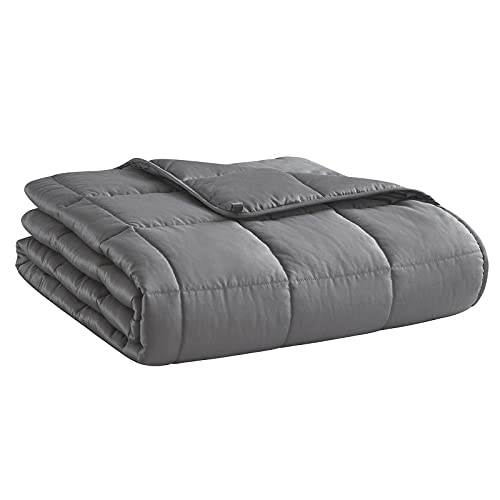
L'AGRATY Weighted Blanket for Adults- Dark Grey, 48"x72", 15lbs, Twin Full Size Heavy Throw Blanket, Cooling, Breathable, Microfiber with Glass Beads, Big, Washable, All-Season
Premuim Material: The weighted blanket is made of soft breathable microfiber material and filled with 0.8-1 mm non-toxic...
As an affiliate, we earn on qualifying purchases.