Searching for the best Macintosh computers in 2027 means weighing portability against raw power, and deciding whether a laptop or desktop fits your workflow. After comparing the full lineup, the MacBook Air 15-inch with the M5 chip stands out as the best overall pick for most people, balancing everyday speed, long battery life, and a lightweight design. The Mac mini with the M6 chip offers the strongest value for desk-bound users, while the 16-inch MacBook Pro with M5 Pro is the clear choice for video editors and developers who need sustained performance. The main tradeoffs come down to screen size, upgradeability, and whether you need the latest silicon or can save money with a renewed model. Keep reading for the full breakdown of all 15 options, including which ones to skip and why.

Get the latest gadgets delivered free with Prime
- Fast, free delivery on millions of items
- Prime Video, Amazon Music and more included
- Member-only deals all year
Complete the kit



Key Takeaways
- The M5 MacBook Air 15-inch is the roundup’s best overall because it delivers 90% of the Pro’s performance at a fraction of the weight, making it the default for students and professionals alike.
- The M6 Mac mini proves that desktops still offer the best price-to-performance ratio in Apple‘s lineup, especially for users who already own a monitor and keyboard.
- Renewed Intel-based Macs like the 27-inch iMac and 13-inch MacBook Air (2019) are only worth considering for legacy software compatibility, not for daily use in 2027.
- The M6 iMac and M6 Mac mini share the same chip, but the iMac’s integrated 24-inch display and speakers make it a better all-in-one for families, while the mini suits multi-monitor setups.
- Memory and storage are the real differentiators among the M5/M6 models — 16GB RAM is the practical minimum, and 512GB SSD is the sweet spot for anyone who edits photos or videos.




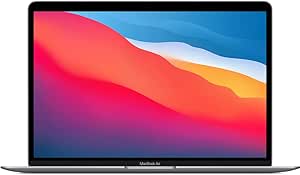


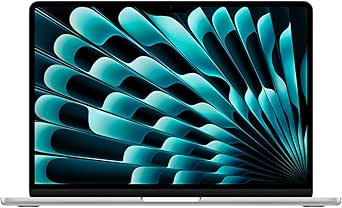


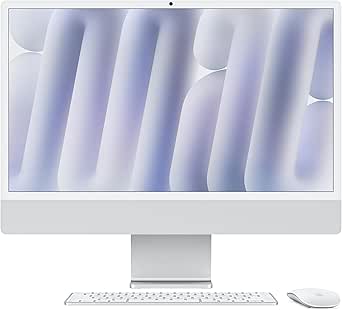

| Macintosh computer | Memory | Display | Storage | Weight |
|---|---|---|---|---|
| Apple MacBook Air 15-inch Lapt | 24GB unified memory | 15.3-inch Liquid Retina | 1TB SSD | 3.32 pounds |
| Apple Mac mini Desktop Compute | Up to 32GB unified memory | — | — | 1.47 pounds |
| Apple MacBook Air 13-inch | 8GB DDR3 SDRAM | 13.3-inch Retina LED, 2560 x 1600, True Tone | 128GB SSD | — |
| Apple 16.2-inch MacBook Pro wi | 24GB unified memory | 16.2-inch Liquid Retina XDR | 1TB SSD | 4.71 pounds |
| Apple iMac 27-Inch Retina 5K A | 8GB DDR3 | 27-inch Retina 5K, 5120 x 2880 | 1TB Fusion Drive | — |
| Apple MacBook Air 13.3-inch | 8GB | 13.3-inch Retina LED, 2560 × 1600 | 128GB SSD | 2.8 pounds |
| Apple iMac 27-inch Retina 5K | 8 GB DDR4 | 27-inch Retina 5K, 5120 × 2880 | 256 GB SSD | — |
| 2024 Apple iMac 24-inch with M | 16GB unified memory | 24-inch 4.5K Retina, 500 nits | 256GB SSD | — |
| Apple MacBook Neo 13-inch with | 8GB unified memory | 13-inch Liquid Retina | 512GB SSD | 2.71 pounds |
| Apple iMac 24-inch All-in-One | Up to 32GB unified memory | 24-inch 4.5K Retina | — | — |
| Apple MacBook Air 13.6-inch La | 16GB unified memory | 13.6-inch Liquid Retina | 512GB SSD | 2.71 pounds |
| Apple Mac Studio Desktop Compu | — | — | — | 5.94 pounds |
| Apple 2019 iMac 21.5-inch Reti | 16GB DDR4 SDRAM | 21.5-inch Retina 4K | 256GB SSD | — |
| Apple 2024 iMac 24-inch All-in | 16GB unified memory | 24-inch 4.5K Retina | 256GB SSD | 9.72 pounds |
| Apple iMac 24-inch All-in-One | Up to 32GB unified memory | 24-inch 4.5K Retina | — | — |
More Details on Our Top Picks
Apple MacBook Air 15-inch Laptop with M5 Chip, 24GB Memory, 1TB SSD, and Wi-Fi 7 (Midnight)
I’d put this 15-inch MacBook Air first for buyers who want one Macintosh for work, study, and everyday creative tasks without stepping up to a heavier Pro. Its 15.3-inch Liquid Retina display gives documents and creative apps more room than the 13-inch Air, while 24GB of unified memory and a 1TB SSD leave more headroom for multitasking and files than the older renewed Macs here. The M5 chip, Wi-Fi 7, and battery life rated up to 18 hours make it a versatile portable choice.
The tradeoff is that its slim design has only two Thunderbolt 4 ports, MagSafe, and a headphone jack. The 16-inch MacBook Pro offers a brighter XDR display, more ports, and stronger graphics for demanding work, but weighs considerably more. Choose this Air for a large screen and everyday flexibility; skip it if your workload calls for Pro-level graphics or frequent wired connections.
Pros:- 15.3-inch Liquid Retina display provides more workspace than a 13-inch laptop.
- 24GB unified memory and 1TB SSD offer useful headroom for apps and files.
- Battery life is rated for up to 18 hours.
- Wi-Fi 7 and support for up to two external displays add flexibility.
Cons:- At 3.32 pounds, it is less convenient to carry than a smaller MacBook Air.
- Two Thunderbolt 4 ports may require a hub for multiple wired accessories.
Best for: Students and mobile professionals who want a roomy built-in display, long stated battery life, and enough memory and storage for multitasking.
Not ideal for: Video professionals or 3D creators who need the MacBook Pro’s XDR display, stronger GPU, and broader built-in port selection.
- Chip:Apple M5
- Display:15.3-inch Liquid Retina
- Memory:24GB unified memory
- Storage:1TB SSD
- Battery life:Up to 18 hours
- Ports:Two Thunderbolt 4, MagSafe charging, headphone jack
- Weight:3.32 pounds
- Wireless:Wi-Fi 7, Bluetooth 6
Our verdict“Choose this MacBook Air for a capable everyday Mac with a large screen; opt for the 16-inch MacBook Pro if demanding graphics or extra ports matter more.”
Apple Mac mini Desktop Computer with M6 Chip (2026)
This Mac mini is the lineup’s space-saving desktop choice: its 5-by-5-inch footprint fits easily on a crowded desk, while the M6 chip and support for up to 32GB of unified memory suit a broad range of everyday and creative workflows. I’d favor it over the renewed 27-inch Intel iMac when the goal is a small, current desktop with up to three external displays and a useful mix of connections. Three Thunderbolt 4 ports, two USB-C ports, HDMI, and 2.5Gb Ethernet make it more adaptable than its size suggests.
Its main catch is also the defining desktop tradeoff: there’s no built-in display, so a monitor, keyboard, and mouse are needed separately. The 16-inch MacBook Pro is a self-contained option with a stronger listed graphics setup, but it is larger and designed for a different kind of workstation use. Pick the mini if you already have peripherals or want to choose your own screens; skip it if you need a ready-to-use all-in-one.
Pros:- Compact 5-by-5-inch design takes up little desk space.
- Supports up to three external displays.
- Three Thunderbolt 4 ports, USB-C, HDMI, and 2.5Gb Ethernet offer varied connections.
- Wi-Fi 7 and Bluetooth 6 provide current wireless connectivity.
Cons:- A display and input devices are not included in the described configuration.
- Unified memory is capped at 32GB.
Best for: Home-office users and multi-monitor workers who already own a display and want a compact desktop with a varied port selection.
Not ideal for: First-time Mac buyers who need a complete computer with a screen, keyboard, and mouse included.
- Chip:Apple M6
- Memory:Up to 32GB unified memory
- Memory bandwidth:170GB/s
- Display support:Up to three external displays
- Ports:Three Thunderbolt 4, two USB-C, HDMI, 2.5Gb Ethernet, headphone jack
- Wireless:Wi-Fi 7, Bluetooth 6
- Dimensions:5 x 5 x 1.97 inches
- Weight:1.47 pounds
Our verdict“Choose the Mac mini if you want a compact, flexible desktop and already have peripherals; choose an iMac if you want a screen included.”
Apple MacBook Air 13-inch (2019), Intel Core i5, 8GB RAM, 128GB SSD, Gold (Renewed)
This renewed 2019 MacBook Air makes the most sense for a buyer who needs a lightweight Mac for basic tasks and wants a smaller laptop, not for someone choosing a primary machine for demanding work. Its 13.3-inch Retina display, Touch ID, and 2.8-pound body give it familiar laptop essentials, and its listed battery life reaches up to 10 hours. Compared with the M5 15-inch MacBook Air, however, it has an older dual-core Intel processor, less memory, and far less storage, so it offers less room for modern multitasking and large local files.
The 128GB SSD is the clearest day-to-day limitation, and the renewed condition comes with a 90-day limited warranty. It has two USB-C/Thunderbolt ports, but the newer MacBook Air adds Wi-Fi 7 and support for up to two external displays. I’d shortlist this model only for light browsing, writing, and similar needs where its compact size matters more than speed, capacity, or longer-term flexibility.
Pros:- 13.3-inch Retina display has a 2560 x 1600 resolution and True Tone.
- Touch ID provides fingerprint recognition.
- At 2.8 pounds, it is relatively easy to carry.
- Battery life is listed at up to 10 hours.
Cons:- The 128GB SSD leaves limited room for apps and locally stored files.
- The 8th-generation dual-core Intel processor and 8GB memory are modest beside the M5 MacBook Air.
- Renewed condition and a 90-day limited warranty may be less reassuring than a new Mac.
Best for: Budget-conscious buyers seeking a compact renewed Mac for web browsing, email, writing, and other light tasks.
Not ideal for: People who keep large media libraries, run demanding creative software, or want a newer Apple silicon Mac with more multitasking headroom.
- Model year:2019
- Display:13.3-inch Retina LED, 2560 x 1600, True Tone
- Processor:1.6 GHz dual-core 8th-generation Intel Core i5
- Memory:8GB DDR3 SDRAM
- Storage:128GB SSD
- Graphics:Intel UHD Graphics 617
- Battery life:Up to 10 hours
- Condition and warranty:Renewed; 90-day limited warranty
Our verdict“Choose this renewed Air for light Mac basics and a compact form, but pick the M5 MacBook Air for stronger performance and more storage.”
Apple 16.2-inch MacBook Pro with M5 Pro, 18-core CPU, 20-core GPU, 24GB Memory, 1TB SSD, Wi-Fi 7, Silver
For buyers whose Mac needs to handle demanding creative work, this 16-inch MacBook Pro is the lineup’s most workstation-oriented laptop. The M5 Pro with an 18-core CPU and 20-core GPU, paired with 24GB of unified memory, is a stronger fit for graphics-heavy projects than the M5 MacBook Air. Its 16.2-inch Liquid Retina XDR display and support for up to three external displays give visual work more screen options, while Thunderbolt 5, HDMI, and an SDXC slot reduce the need for adapters.
That capability brings real compromises: this model weighs 4.71 pounds, and its larger body is less convenient for daily commuting than the Air. Its listed external-display support is also limited to three, despite the workstation positioning. I’d choose it over the Mac mini when built-in mobility and a high-end laptop screen are priorities; the mini is a smaller desktop alternative if you already have a monitor and don’t need a portable system.
Pros:- M5 Pro, 18-core CPU, and 20-core GPU suit demanding creative workloads.
- 16.2-inch Liquid Retina XDR display provides a large, high-brightness workspace.
- Thunderbolt 5, HDMI, SDXC, MagSafe 3, and headphone jack offer broad connectivity.
- Supports up to three external displays.
Cons:- At 4.71 pounds, it is substantially heavier than the MacBook Air.
- Its performance and display features may be unnecessary for everyday office and study tasks.
- External-display support is limited to three displays.
Best for: Video editors, photographers, and other creative professionals who need a powerful portable Mac, an XDR screen, and built-in media connections.
Not ideal for: Commuters prioritizing a light everyday laptop, or buyers whose work is well served by the thinner MacBook Air.
- Processor:Apple M5 Pro, 18-core CPU
- Graphics:20-core GPU
- Display:16.2-inch Liquid Retina XDR
- Memory:24GB unified memory
- Storage:1TB SSD
- Ports:Three Thunderbolt 5, MagSafe 3, SDXC card slot, HDMI, headphone jack
- External display support:Up to three displays
- Weight:4.71 pounds
Our verdict“Choose this MacBook Pro for demanding graphics work and a premium built-in display; choose the Air for a lighter, more everyday laptop.”
Apple iMac 27-Inch Retina 5K All-in-One Desktop, 3.2 GHz Intel Core i5, 8GB DDR3, 1TB Fusion Drive (Renewed)
This renewed iMac’s appeal is straightforward: it combines a 27-inch Retina 5K display with desktop components in one all-in-one system. Its 5120 x 2880 resolution makes a large workspace for documents, photo editing, and media, without asking you to choose and connect a separate monitor as you would with the Mac mini. The included compatible keyboard and mouse also make it more complete out of the box than the mini, though it ships in a generic box.
Its older quad-core Intel Core i5, 8GB of DDR3 memory, and 1TB Fusion Drive make this a less adaptable choice than the M6 mini or newer Apple silicon Macs. The Fusion Drive provides more listed capacity than the mini’s unspecified storage configuration, but it is not an SSD. I’d consider this iMac when a large integrated display is the main priority; skip it for intensive workloads or a more current platform.
Pros:- 27-inch Retina 5K display offers a 5120 x 2880 workspace.
- All-in-one design includes the display rather than requiring a separate monitor.
- 1TB Fusion Drive provides substantial listed storage capacity.
- Compatible keyboard and mouse are included.
Cons:- 8GB of DDR3 memory is limited for heavier multitasking and demanding creative apps.
- The Intel processor and Fusion Drive are older-generation components compared with the M6 Mac mini.
- Renewed condition and generic packaging may not suit buyers seeking a new, current Mac.
Best for: Home-office users who want a large, high-resolution screen built into a desktop and mainly handle everyday or light creative tasks.
Not ideal for: Buyers who need a current Apple silicon system, high memory capacity, or a desktop that can be easily upgraded and reconfigured.
- Display:27-inch Retina 5K, 5120 x 2880
- Processor:3.2 GHz quad-core Intel Core i5
- Memory:8GB DDR3
- Storage:1TB Fusion Drive
- Graphics:AMD Radeon R9 M390
- Connectivity:Thunderbolt, USB 3, 802.11ac Wi-Fi, Bluetooth
- Included accessories:Compatible keyboard and mouse
- Condition:Renewed
Our verdict“Choose this renewed iMac for its large built-in 5K display, but pick the M6 Mac mini for a newer desktop platform and more flexible setup.”
Apple MacBook Air 13.3-inch (2020) with M1 Chip (Renewed)
This renewed MacBook Air M1 remains a compelling value proposition for users prioritizing battery life over raw power. Compared to the newer MacBook Neo, this model offers a more traditional laptop experience with a 720p camera and legacy port compatibility, though it lacks the Neo’s updated aesthetics. The M1 chip still handles daily tasks with remarkable efficiency, delivering up to 18 hours of use. However, the 128GB SSD is a significant bottleneck for anyone storing media locally, forcing reliance on cloud services. As a renewed unit, the battery health may vary, which is a gamble compared to buying new. It stands out for those who want the Apple silicon architecture without the premium price tag of current models.Pros:- Exceptional 18-hour battery life
- Silent, fanless operation
- Proven M1 efficiency for daily tasks
- Retina display with True Tone
Cons:- Very limited 128GB storage
- 720p camera is low resolution for modern standards
- Renewed condition carries battery health risks
Best for: Students or writers who need a lightweight, long-lasting machine for web browsing and document editing on a tight budget.
Not ideal for: Content creators or photographers who need ample local storage and high-resolution video editing capabilities.
- Processor:Apple M1, 8 cores
- Memory:8GB
- Storage:128GB SSD
- Display:13.3-inch Retina LED, 2560 × 1600
- Battery Life:Up to 18 hours
- Weight:2.8 pounds
- Condition:Renewed
Our verdict“A smart choice for budget-conscious users who prioritize battery longevity and don’t mind cloud storage.”
Apple iMac 27-inch Retina 5K (2020) (Renewed)
The 27-inch iMac 5K offers screen real estate that the newer 24-inch models simply cannot match. While the Intel Core i5 is older technology, it remains capable for office productivity and light creative work. The 5K resolution provides sharp text and vibrant colors, making it superior for multitasking compared to the 24-inch iMac M4. However, the 8GB of RAM is a major constraint in today’s memory-hungry applications, often leading to performance dips during heavy multitasking. Being a renewed unit, you are investing in a discontinued architecture, which limits future macOS support longevity. This machine is best for users who need a large canvas but do not require the latest silicon efficiency.Pros:- Massive 27-inch 5K Retina display
- Solid build quality and classic design
- Includes Thunderbolt 3 ports
- Good value for screen size
Cons:- Only 8GB RAM is insufficient for heavy multitasking
- Intel processor generates more heat than Apple Silicon
- Renewed status implies potential cosmetic wear
Best for: Office workers and casual users who need a large, high-resolution display for spreadsheets and web browsing.
Not ideal for: Video editors or developers who require more than 8GB of RAM and modern processor speeds.
- Display:27-inch Retina 5K, 5120 × 2880
- Processor:3.1 GHz 6-core Intel Core i5
- Memory:8 GB DDR4
- Graphics:AMD Radeon Pro 5300
- Storage:256 GB SSD
- Condition:Renewed
Our verdict“Ideal for those who prioritize screen size over processing speed and can manage with limited memory.”
2024 Apple iMac 24-inch with M4 Chip (Renewed)
The iMac 24-inch M4 represents the sweet spot between performance and desk footprint for most home users. Compared to the 27-inch Intel iMac, this model is significantly more energy-efficient and quieter, thanks to the M4 chip. The 4.5K Retina display is bright and color-accurate, suitable for photo editing and streaming. While it comes renewed, the 16GB unified memory provides a much healthier buffer for multitasking than the 8GB found in older models. The all-in-one design includes excellent speakers and a 1080p camera, making it ready for video calls out of the box. It lacks the expandability of a tower, but for the vast majority of users, the integration and modern connectivity offer a seamless experience.Pros:- Efficient M4 chip with 16GB memory
- Bright 500-nit 4.5K Retina display
- Excellent built-in audio and camera system
- Compact, space-saving design
Cons:- 256GB storage may fill up quickly
- Limited port selection (USB-C/Thunderbolt only)
- Renewed condition may have minor cosmetic marks
Best for: Families and remote workers who want a sleek, modern desktop with good multimedia capabilities.
Not ideal for: Power users who need multiple external displays or specialized ports like Ethernet without an adapter.
- Processor:Apple M4, 10-core
- Memory:16GB unified memory
- Storage:256GB SSD
- Display:24-inch 4.5K Retina, 500 nits
- Connectivity:Wi-Fi 6E, Bluetooth 5.3
- Condition:Renewed
Our verdict“The most balanced choice for modern home computing, offering great performance in a compact package.”
Apple MacBook Neo 13-inch with A18 Pro Chip
The MacBook Neo is an intriguing entry that leverages mobile-grade A18 Pro silicon in a laptop form factor. Unlike the MacBook Air M1, this device features a 1080p camera and a more modern, minimalist design with a Liquid Retina display. The 512GB SSD is a significant upgrade over the 128GB base models, offering more breathing room for apps and files. However, the 8GB unified memory remains a potential limitation for future-proofing, as it cannot be upgraded. The use of an A-series chip suggests a focus on extreme efficiency and mobile app compatibility rather than traditional desktop-class power. It is a niche choice for those who value portability and the latest mobile tech integration over raw multi-core performance.Pros:- Lightweight and compact design
- Generous 512GB storage for its class
- High-quality 1080p camera
- Efficient A18 Pro chip
Cons:- Only 8GB RAM limits multitasking
- New architecture may have software quirks
- Less proven track record than M-series chips
Best for: Travelers and students who need a lightweight device with a high-quality camera and sufficient storage.
Not ideal for: Professionals who need to run heavy desktop-only applications or require more than 8GB of RAM.
- Chip:Apple A18 Pro
- Memory:8GB unified memory
- Storage:512GB SSD
- Display:13-inch Liquid Retina
- Battery Life:Up to 16 hours
- Weight:2.71 pounds
Our verdict“A stylish, portable option for users who prioritize camera quality and storage over heavy processing power.”
Apple iMac 24-inch All-in-One Desktop with M6 Chip
The iMac 24-inch M6 is the definitive choice for users seeking the latest desktop experience without the complexity of a tower. Compared to the renewed M4 iMac, this new unit offers Wi-Fi 7 and Thunderbolt 4, ensuring faster data transfers and network stability. The M6 chip delivers substantial performance gains for creative tasks, and the ability to configure up to 32GB of unified memory removes the bottlenecks found in lower-tier models. The 12MP Center Stage camera and six-speaker system make it a superior hub for video conferencing and media consumption. While it lacks the screen size of the 27-inch Intel model, the modern connectivity and integrated design offer a cleaner, more future-proof workspace for demanding home users.Pros:- Cutting-edge M6 chip performance
- High-speed Wi-Fi 7 and Thunderbolt 4
- Superior 12MP Center Stage camera
- Rich audio with six speakers
Cons:- Higher price point than renewed models
- No upgrade path for RAM or storage
- Ethernet requires an optional add-on
Best for: Creative professionals and enthusiasts who need high performance and modern connectivity in a compact desktop.
Not ideal for: Users on a strict budget or those who require a screen larger than 24 inches.
- Chip:Apple M6
- Memory:Up to 32GB unified memory
- Display:24-inch 4.5K Retina
- Ports:Up to four Thunderbolt 4
- Wireless:Wi-Fi 7 and Bluetooth 6
- Camera:12MP Center Stage
Our verdict“The top-tier all-in-one for those who want the best current Apple silicon performance and connectivity.”
Apple MacBook Air 13.6-inch Laptop with M5 Chip, 16GB Memory, 512GB SSD, Silver
This model stands out as the ultimate travel companion for professionals who need power without the bulk. The M5 chip delivers impressive efficiency, allowing for up to 18 hours of battery life in a chassis that weighs just 2.71 pounds. Compared to the heavier MacBook Pro 16.2-inch, this Air sacrifices raw sustained performance for extreme portability and silent operation, as it lacks a fan. While the 13.6-inch display is sharp, it may feel cramped for complex multitasking compared to larger desktop alternatives.
Pros:- Extremely lightweight at 2.71 pounds
- Exceptional battery life lasting up to 18 hours
- Fanless design ensures silent operation
- Supports two external displays despite portable form factor
Cons:- Only two Thunderbolt 4 ports limit peripheral connectivity
- 13.6-inch screen size restricts multitasking capabilities
- Thermal throttling under sustained heavy loads compared to Pro models
Best for: Students and frequent travelers who prioritize battery life and weight over screen real estate.
Not ideal for: Video editors handling 4K timelines who need active cooling and a larger display for color grading.
- Chip:Apple M5
- Memory:16GB unified memory
- Storage:512GB SSD
- Display:13.6-inch Liquid Retina
- Battery Life:Up to 18 hours
- Weight:2.71 pounds
- Ports:Two Thunderbolt 4, MagSafe, Headphone Jack
- Wireless:Wi-Fi 7, Bluetooth 6
Our verdict“This is the best choice for anyone who needs a powerful, silent laptop that lasts all day away from an outlet.”
Apple Mac Studio Desktop Computer with M5 Max
For users demanding maximum computational throughput, the Mac Studio with the M5 Max chip is unmatched in its footprint. It offers up to 128GB of unified memory and 614GB/s bandwidth, capabilities that dwarf the MacBook Air 13.6-inch and even the standard iMac. This machine is designed for heavy AI training, 3D rendering, and massive video projects, supporting up to five external displays. However, it is a bare-bones system; unlike the all-in-one iMac 24-inch, you must supply your own monitor, keyboard, and mouse, adding to the total setup cost and complexity.
Pros:- M5 Max chip handles intensive AI and creative workflows effortlessly
- Massive memory bandwidth supports large datasets and complex projects
- Extensive connectivity with four Thunderbolt 5 ports
- Quiet thermal system maintains performance under load
Cons:- No display, keyboard, or mouse included in the box
- High entry cost for the base configuration compared to consumer desktops
- Requires significant desk space for external peripherals
Best for: Professional video editors, 3D artists, and data scientists requiring high memory bandwidth and multi-monitor support.
Not ideal for: Users who want a plug-and-play experience or lack desk space for external monitors and peripherals.
- Chip:Apple M5 Max
- Unified Memory:Up to 128GB
- Memory Bandwidth:Up to 614GB/s
- Thunderbolt Ports:4 Thunderbolt 5
- External Displays:Up to 5
- Dimensions:7.76 x 7.76 x 3.74 inches
- Weight:5.94 pounds
Our verdict“This is the definitive choice for professionals who need workstation-grade power in a compact desktop form factor.”
Apple 2019 iMac 21.5-inch Retina 4K, Core i3, 16GB RAM, 256GB SSD, Silver (Renewed)
This renewed 2019 model offers a low-cost entry point into the Apple ecosystem for those who need a 4K display without spending on new hardware. While the Intel Core i3 and Radeon Pro 555X are significantly older than the M-series chips found in the iMac 24-inch M4, they remain capable for web browsing, office tasks, and light media consumption. The 21.5-inch Retina display is sharp, but the 256GB SSD is a severe constraint for modern software libraries. It is a pragmatic choice for tight budgets, though it lacks the future-proofing and energy efficiency of current Apple Silicon machines.
Pros:- Retina 4K display provides crisp visuals at a low price
- Includes dedicated graphics for light gaming or photo editing
- All-in-one design saves desk space
- Renewed condition offers value for legacy Apple hardware
Cons:- Intel architecture is less efficient and slower than Apple Silicon
- 256GB SSD is insufficient for modern macOS updates and applications
- Limited upgradeability for RAM and storage
Best for: Students or home users on a strict budget who need a reliable 4K monitor and computer combo for basic tasks.
Not ideal for: Content creators or power users who need speed, large storage, or long-term software support.
- Model Year:2019
- Display:21.5-inch Retina 4K
- Processor:Intel Core i3-8100, 3.6 GHz
- Memory:16GB DDR4 SDRAM
- Storage:256GB SSD
- Graphics:Radeon Pro 555X with 2GB GDDR5
- Warranty:90 days
Our verdict“This is a functional, budget-friendly option for basic computing, but it lacks the performance and longevity of newer models.”
Apple 2024 iMac 24-inch All-in-One Desktop with M4 Chip, 16GB Memory, 256GB SSD, Silver
The 2024 iMac with the M4 chip strikes a balance between performance and aesthetics, offering a vibrant 4.5K Retina display in a slim package. It outperforms the older 2019 iMac significantly in speed and efficiency, handling everyday multitasking with ease. The inclusion of Spatial Audio speakers and a Center Stage camera makes it ideal for video calls and media consumption. However, the 256GB storage is tight for users with large photo libraries or video projects, forcing reliance on external drives. Compared to the Mac Studio, it lacks the raw power for heavy professional workloads but wins on convenience and design.
Pros:- Gorgeous 4.5K Retina display with wide color gamut
- M4 chip provides fast performance for everyday tasks
- Excellent built-in audio and camera for video conferencing
- Compact all-in-one design minimizes desk clutter
Cons:- 256GB SSD fills up quickly with system files and apps
- Limited port selection compared to desktop towers
- Not suitable for heavy 3D rendering or 8K video editing
Best for: Home office users and families who want a stylish, easy-to-set-up computer for productivity and entertainment.
Not ideal for: Professionals who need to store large local files or require extensive port variety for complex peripherals.
- Processor:Apple M4 chip (8-core CPU, 8-core GPU)
- Memory:16GB unified memory
- Storage:256GB SSD
- Display:24-inch 4.5K Retina
- Camera:12MP Center Stage
- Audio:Six speakers with Spatial Audio
- Connectivity:Up to four Thunderbolt 4 ports
- Weight:9.72 pounds
Our verdict“This is the best all-in-one for general home use, offering modern speed and beautiful design without the complexity of a tower setup.”
Apple iMac 24-inch All-in-One Desktop Computer with M6 Chip, Silver
Representing the cutting edge of consumer desktops, this iMac features the M6 chip and supports up to 32GB of unified memory. It surpasses the 2024 iMac M4 in potential headroom for future software demands and offers enhanced connectivity with Wi-Fi 7. The 4.5K Retina display remains a standout feature, providing exceptional clarity for creative work. While it shares the same compact footprint as its predecessor, the M6 architecture delivers better energy efficiency and performance per watt. It is a premium option for those who want the latest technology in a sleek, integrated package, though the base storage options may still require external solutions for heavy users.
Pros:- Latest M6 chip offers top-tier performance and efficiency
- Supports up to 32GB unified memory for demanding apps
- Advanced Wi-Fi 7 and Bluetooth 6 connectivity
- High-resolution 4.5K Retina display with 1 billion colors
Cons:- Higher price point than previous generation models
- Base configurations may still lack sufficient internal storage
- Limited to two external displays, restricting multi-monitor workflows
Best for: Designers and creative professionals who want the latest Apple Silicon performance in a compact, all-in-one form factor.
Not ideal for: Users who need massive internal storage or multi-monitor setups beyond two external displays.
- Chip:Apple M6
- Memory:Up to 32GB unified memory
- Display:24-inch 4.5K Retina
- Networking:Wi-Fi 7, Bluetooth 6
- External Displays:Supports up to two 6K displays
- Camera:12MP Center Stage
- Audio:Six speakers with Spatial Audio
- Ports:Up to four Thunderbolt 4 ports
Our verdict“This is the premier choice for creative professionals who demand the fastest all-in-one performance available today.”

How We Picked
To rank these 15 Macintosh computers, I evaluated each model on performance per dollar, build quality, portability, display quality, and longevity. I prioritized chips from the M-series family (M1, M4, M5, M6) over older Intel processors, since Apple’s silicon delivers better battery life, faster memory bandwidth, and longer software support. For desktops, I considered upgradeability, connectivity, and how well the machine handles sustained workloads like 4K video exports or compiling code. I also factored in the renewed vs. new tradeoff — a used Mac can be a bargain, but only if the chip generation still receives macOS updates and the battery health is acceptable.
Ranking logic placed the best overall pick at the top because it satisfies the widest range of buyers. Value picks follow, then premium performance models, and finally niche or outdated options. Each product is compared directly against at least one other in the lineup, so you can see exactly why one Mac beats another for a specific use case. The goal is to help you match a machine to your actual workflow, not just chase the highest spec sheet.
Factors to Consider When Choosing Best Macintosh Computers
Beyond the individual reviews, there are several broader factors that separate a smart Mac purchase from a regretful one. Here are the key considerations I used when evaluating these 15 computers, and what you should think about before buying.
Chip Generation: M-Series vs. Intel
In 2027, buying an Intel-based Macintosh is a risky move unless you have a specific legacy application that won’t run on Apple silicon. The M1, M4, M5, and M6 chips offer dramatically better performance per watt, and Apple has already stopped supporting most Intel models with the latest macOS versions. The M1 MacBook Air (2020) is the oldest chip worth considering, but even it struggles with heavy multitasking today. For any new purchase, I’d insist on at least an M4 chip — the M5 and M6 are improvements, but the jump from Intel to M-series is the single biggest performance leap you’ll notice.
RAM and Storage: The Real Cost Drivers
Apple’s base configurations often come with 8GB of RAM and 256GB of storage, which feels cramped in 2027. Browsing with multiple tabs, running productivity apps, and editing photos can easily eat through 8GB, causing the system to swap to the SSD and slow down. I recommend 16GB of RAM as the practical minimum for any Mac you plan to keep for more than two years. Storage is trickier because you can’t upgrade it later — 512GB is the sweet spot for most people, but if you work with video or large photo libraries, 1TB is worth the cost. The MacBook Air 15-inch with 24GB and 1TB in this roundup is the configuration I’d choose if budget allows.
Laptop vs. Desktop: Match the Form to the Workflow
The biggest fork in the road is whether you need a portable machine or a stationary one. Laptops like the MacBook Air and MacBook Pro offer flexibility, but you pay a premium for the display, keyboard, and battery. Desktops like the Mac mini and iMac give you more performance per dollar, and the Mac mini lets you reuse your existing monitor and peripherals. If you’re a student or commuter, a laptop is non-negotiable. If you work from a single desk, a desktop will last longer and run cooler. The Mac mini M6 is the best desktop value in this roundup, while the iMac M6 is better for families who want a clean, all-in-one setup without cable clutter.
Renewed and Older Models: When They Make Sense
Several renewed Intel iMacs and older MacBook Airs appear in this list, and they’re tempting because of lower upfront costs. However, I’d only recommend them for three specific situations: you need to run 32-bit software that Apple silicon no longer supports, you’re on a very tight budget and only need a basic web machine, or you’re buying a backup computer for light tasks. The renewed 27-inch iMac (2020) has a gorgeous 5K display, but its Intel processor and 8GB of DDR3 RAM will bottleneck modern apps. A renewed M1 MacBook Air is a better choice for budget buyers, but even that is now several years old — expect to replace it sooner than a new M5 model.
Display Quality and Size: Don’t Underestimate It
You’ll look at the screen more than any other component, so display quality matters. The MacBook Pro’s mini-LED screen with ProMotion (120Hz) is noticeably smoother for scrolling and video playback, while the MacBook Air’s Liquid Retina display is still excellent but caps at 60Hz. On the desktop side, the iMac’s 24-inch 4.5K display is color-accurate out of the box, but the older 27-inch 5K iMac has more screen real estate — though it’s stuck with Intel internals. If you need a large canvas, consider the Mac mini paired with a third-party 27-inch 4K monitor, which gives you more flexibility than any iMac.
Connectivity and Ports: The Quiet Differentiator
Ports are often overlooked until you need them. The MacBook Air models come with just two Thunderbolt ports, which means you’ll need a dongle for external displays or SD cards. The MacBook Pro adds an SD card slot and HDMI, which is a lifesaver for photographers. On desktops, the Mac mini offers a wide array of ports including Ethernet and multiple USB-A, while the iMac keeps things minimal with a few USB-C ports. If you have a lot of peripherals, the Mac Studio M5 Max is the only model in this roundup that offers six Thunderbolt ports, making it the clear choice for audio engineers or anyone with a complex desk setup.
Frequently Asked Questions
Is the M5 MacBook Air 15-inch powerful enough for video editing, or should I spend more on the MacBook Pro?
For most video editors, the M5 MacBook Air is surprisingly capable. It can handle 4K video editing in Final Cut Pro or DaVinci Resolve without stuttering, especially with 24GB of RAM. The MacBook Pro M5 Pro adds more GPU cores and active cooling, which helps with long exports and 8K footage — but unless you’re doing professional color grading or rendering 3D scenes daily, the Air will save you money and weight. The Air’s fanless design means it may throttle during a 20-minute 4K export, but for short clips and social media content, you won’t notice the difference. If you’re a hobbyist or a YouTuber, the Air is enough; if you’re a full-time editor, the Pro is worth the premium.
Should I buy a renewed Intel iMac or a new M6 Mac mini with a separate monitor?
In almost every case, the M6 Mac mini with a separate monitor is the better investment. The renewed Intel iMacs, even the 27-inch 5K model, have processors that are now two generations behind, and they won’t receive future macOS updates. The Mac mini M6 is faster, more energy-efficient, and will last several more years. The only reason to choose the iMac is if you specifically want an all-in-one without cable clutter and you don’t mind the older chip. But you can pair the Mac mini with a high-quality 27-inch 4K monitor for a similar price, and you’ll get a better CPU and the flexibility to upgrade the monitor later.
How much RAM and storage do I really need in a Mac in 2027?
For a new Mac, I’d never go below 16GB of RAM — 8GB is simply not enough for modern multitasking, and you’ll feel the slowdown when switching between apps. If you work with large files, virtual machines, or heavy browser tabs, 24GB or 32GB is a safer bet. For storage, 256GB is fine for a secondary machine, but it fills up quickly with apps and photos. 512GB is the sweet spot for most people, and 1TB is worth it if you store video or music locally. Remember that Apple’s memory and storage are soldered on — you can’t upgrade later, so buy what you need on day one.
Is the MacBook Neo 13-inch with the A18 Pro chip a good alternative to the MacBook Air?
The MacBook Neo is an interesting option because it uses an A-series chip (like an iPhone) rather than an M-series chip. That means it’s optimized for battery life and light tasks, but it won’t match the M5 MacBook Air’s performance in pro apps like Logic Pro or Xcode. The Neo is lighter and cheaper, making it great for students who mostly browse, write, and stream. However, if you plan to do any video editing, coding, or design work, the MacBook Air M5 is worth the extra cost because it runs macOS’s full desktop features and supports more external displays. The Neo is a niche pick for those who prioritize portability above all else.
Which Mac is best for a family that wants a shared desktop computer?
For a family desktop, the iMac 24-inch with the M6 chip is the best choice because it’s an all-in-one that requires no separate monitor or speakers, and it looks great on a kitchen counter or home office desk. The M6 chip handles multiple user accounts, video calls, and casual gaming smoothly. The Mac mini M6 is a better value if you already have a monitor, but it’s less family-friendly because you have to manage cables and a separate display. The iMac’s built-in 1080p camera and six-speaker system make it ideal for Zoom school sessions and movie nights. If you need a larger screen for shared work, the 27-inch iMac has more real estate, but its older Intel chip makes it a poor choice for future-proofing.
Conclusion
After comparing all 15 Macintosh computers, the best overall pick is the MacBook Air 15-inch with the M5 chip — it nails the balance of performance, portability, and price for the majority of buyers. For the best value, the Mac mini with the M6 chip is unbeatable if you already have a monitor and keyboard, delivering desktop-class speed at a fraction of the cost of a laptop. If money is no object and you need maximum power, the 16-inch MacBook Pro with M5 Pro is the best premium choice for professionals who export video or compile code all day. Beginners and students should look at the MacBook Air 13-inch with the M5 chip (16GB/512GB) for a reliable, lightweight machine that won’t overwhelm them. For a specific need like a family desktop or a multi-monitor studio setup, the iMac M6 and Mac Studio M5 Max are the clear winners respectively. Avoid the renewed Intel models unless you have a legacy software requirement — they’re the weakest links in this lineup. Match your pick to your workflow, and you’ll be happy for years.