
🔍 Read the full analysis: Altman’s PC Memory Criticism Raises A Question For Samsung on ThorstenMeyerAI.com

Get the latest gadgets delivered free with Prime
- Fast, free delivery on millions of items
- Prime Video, Amazon Music and more included
- Member-only deals all year
TL;DR
OpenAI CEO Sam Altman met about 50 Samsung executives in Yongin on October 31, as shortages of memory chips sharpen competition between data centers and consumer devices. Samsung described the event as an AI leadership program; no new supply deal was announced. Altman’s claim that PC memory is used 5% of the time was an estimate, not a measured industry figure.
OpenAI CEO Sam Altman met about 50 Samsung executives in Yongin, South Korea, on October 31, two days after saying that memory sitting in personal computers is underused from a global allocation perspective. Samsung characterized the meeting as an AI leadership program; although media reports linked it to memory and AI infrastructure cooperation, neither company announced a new chip-supply agreement.
Samsung said executives from its electronics, finance and biotech affiliates attended the session at the company’s Human Resources Development Center. The theme was translated by the Korea Herald as “The Next 10 Years Shaped by AI: The Enterprise’s Choice.” Samsung said discussion covered AI’s direction, its effects on decision-making and management, and new markets it may create. Yonhap, citing Samsung, reported that Altman told the group companies gain an advantage not simply by adopting AI but by using it to move faster and make better products.
Bloomberg reported that the visit was intended to deepen cooperation on memory chips and AI infrastructure as shortages intensify. The Seoul Economic Daily reported that Richard Ho, OpenAI’s vice president who leads its in-house AI chip work, accompanied Altman. The outlet also reported, citing industry sources, that OpenAI’s accelerator could use Samsung’s next-generation HBM4 memory. Samsung and OpenAI have not confirmed that reported design choice.
Altman’s PC-memory comment came in a Cheeky Pint podcast episode published October 29. Asked why high prices had not prompted more supply, he said the “invisible hand is failing right now” and described it as “quite terrible” that, from a global allocation perspective, memory is in personal computers “being used 5% of the time.” The 5% figure was Altman’s estimate; the source material provides no measurement or independent validation.
Infographic 01 · Confirmed, reported, not announced
What we actually know about Altman’s Samsung meeting
Samsung confirmed the meeting and framed it as AI leadership training. The memory angle comes from reporting. No deal was announced.
- Meeting with about 50 presidents and executivesConfirmed by Samsung
Electronics, finance and biotech affiliates; Samsung Human Resources Development Center. Theme: “The Next 10 Years Shaped by AI: The Enterprise’s Choice”.
- Altman: the edge comes from how you use AI, not from adopting itConfirmed by Samsung
As relayed by Samsung via Yonhap; quoted similarly by the Seoul Economic Daily.
- Aim: deeper cooperation on memory chips and AI infrastructureReported
Bloomberg, “as global shortages intensify”.
- OpenAI’s chip-hardware chief traveled along; HBM4 linkOne outlet
Seoul Economic Daily, citing industry sources. Not confirmed by either company.
- SK chairman Chey Tae-won met Altman the same dayOne outlet
Yonhap, citing industry sources. Content not disclosed.
- Volumes, prices, a new contractNot announced
Nothing announced. No statement from OpenAI on the visit.
How Samsung and OpenAI got here
- 1 Oct 2025Letter of intent: memory for Stargate, data centers, floating data centersSamsung and OpenAI announcement
- Jun 2026Samsung rolls out ChatGPT Enterprise and Codex to employeesOpenAI, as reported by the Korea Herald
- Jul 2026Samsung chairman Lee Jae-yong visits OpenAI in San FranciscoKorea Herald
- 29 Oct 2026Samsung’s record quarter; Altman’s “quite terrible” DRAM remarkSamsung results · Cheeky Pint podcast
- 31 Oct 2026Altman meets about 50 Samsung executives in YonginSamsung via Yonhap · Bloomberg
“Confirmed by Samsung” means Samsung’s own account, as relayed by Yonhap and the Korea Herald. A letter of intent is a statement of plans, not a purchase order.
Sources: Samsung via Yonhap, 31 Oct 2026, Korea Herald, 31 Oct 2026, Bloomberg via The Straits Times, 31 Oct 2026, Seoul Economic Daily, 1 Nov 2026, Samsung and OpenAI letter of intent, 1 Oct 2025.
Powered by Thorsten Meyer AI
Data Centers Compete With PCs
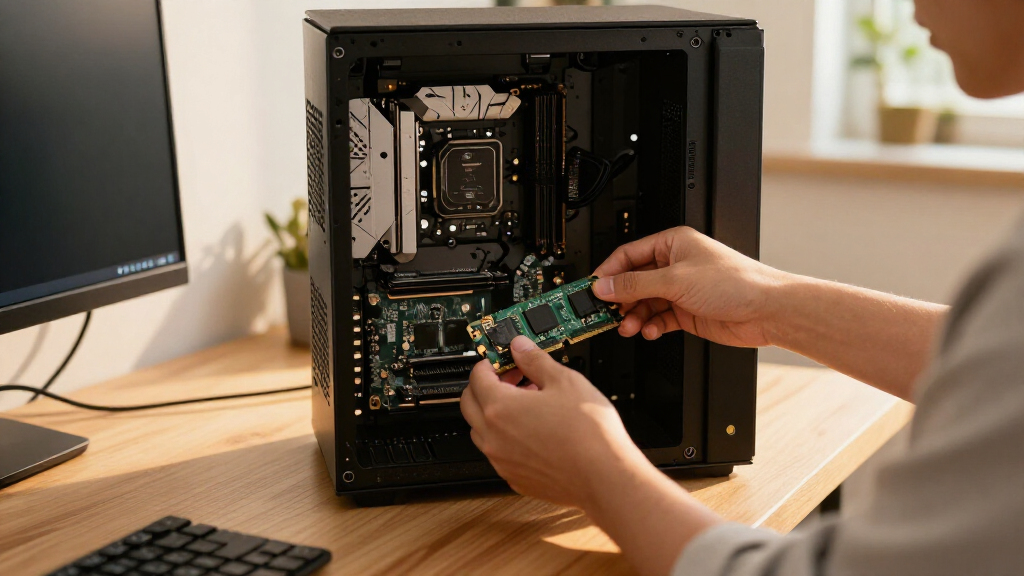
The dispute is about how limited memory capacity should be allocated as demand from AI data centers grows. Altman’s argument is that memory in shared facilities can be used more intensively than memory installed in individual computers. That is a case for concentrating supply in systems that serve many users, but it is also a position voiced by the head of a company that sells cloud-based AI services. His estimate is not evidence that a typical PC’s memory is idle 95% of the time.
The practical consequences could reach businesses and consumers even without empty store shelves. The source cites TrendForce forecasting a 10% to 15% rise in conventional DRAM contract prices in the fourth quarter and warning that PC-memory supply could decline in 2027 as more capacity goes to servers. Those are forecasts, not confirmed outcomes. If pressures persist, device makers may face higher component costs, while customers could see price increases or changes to memory and storage configurations.
The issue is particularly relevant to Samsung because memory is central to its chip business and to the supply chain OpenAI needs to expand AI infrastructure. It also affects how companies weigh buying local computing capacity against renting AI services. The meeting signals the importance of those relationships, but it does not establish that Samsung will reserve a particular quantity of memory for OpenAI.
Products Worth Considering

Samsung Galaxy Tab S10 FE 128GB Wi-Fi Android Tablet, Blue

Samsung 27-inch Odyssey OLED G6 QD-OLED QHD Gaming Monitor

Samsung 27-Inch Odyssey QD-OLED G8 4K 240Hz Gaming Monitor
As an affiliate, we earn on qualifying purchases.
A Supply Relationship Already Underway
OpenAI and four Samsung companies signed a letter of intent in October 2025. Samsung said at the time that OpenAI’s memory demand was projected to reach “up to 900,000 DRAM wafers per month.” That was a projection stated in connection with the letter, not a confirmed monthly purchase or a supply commitment. The two companies later developed other business ties: OpenAI said in June 2026 that Samsung Electronics would roll out ChatGPT Enterprise and Codex to employees in Korea and its global device division. The Korea Herald reported that Samsung executive chairman Lee Jae-yong visited OpenAI in San Francisco in July.
Samsung’s financial results underscore its exposure to memory markets. In the third quarter, its chip division recorded 106.5 trillion won in operating profit, out of 107.4 trillion won for the company overall, according to the source material. Samsung’s phone and network business recorded an operating loss of 0.6 trillion won, partly attributed to cost pressures. The figures show why memory supply and prices matter to Samsung, but do not reveal whether the Yongin meeting changed commercial terms.
Altman also met SK Group chairman Chey Tae-won in Seoul on October 31, alongside executives from SK hynix, another major Korean memory maker, according to Yonhap citing industry sources. The discussion’s content was not disclosed. Bloomberg has also reported visits to South Korea by Nvidia CEO Jensen Huang and AMD CEO Lisa Su to strengthen supply ties. Together, these meetings reflect competition for industry relationships, but they do not by themselves confirm specific allocations.
““From a global allocation perspective,” it is “quite terrible” that memory is in people’s computers “being used 5% of the time.””
— Sam Altman, on the Cheeky Pint podcast, published October 29
No Chip Deal Disclosed
The public record does not establish that Samsung and OpenAI agreed to a new memory supply arrangement during the October 31 meeting. No contract, volumes or prices were announced, and Samsung did not release a full attendee list. Samsung’s stated agenda focused on AI leadership and business use; Bloomberg separately reported a goal of deepening memory and infrastructure cooperation.
It also remains unconfirmed whether OpenAI’s planned accelerator will use Samsung HBM4. The claim came from the Seoul Economic Daily citing industry sources. The source material does not provide an independent confirmation of Altman’s 5% PC-memory estimate, nor does it specify the method behind it. TrendForce’s pricing and supply outlooks are forecasts, and actual pricing, production and device configurations may differ.
Watch for Supply Commitments
The next concrete indicators will be any public announcement of a supply agreement, details of OpenAI’s accelerator design, or updated guidance from Samsung and memory-market analysts. The October 2025 letter of intent provides a basis for cooperation, but it does not answer whether additional capacity has been committed or when it might reach OpenAI.
For buyers and device makers, the near-term signal is whether forecast DRAM price increases materialize and whether manufacturers adjust product specifications or prices. Until companies disclose terms, the Yongin meeting is evidence of high-level engagement—not proof of a new allocation that would reduce memory available to PCs.
Key Questions
What happened at the Samsung meeting?
About 50 Samsung executives met Sam Altman at the company’s Yongin training center on October 31. Samsung described the gathering as an AI leadership program. No new memory-supply agreement was announced.
Did Samsung agree to supply OpenAI with memory?
No new deal has been publicly confirmed. OpenAI and Samsung companies signed a letter of intent in October 2025, but the available information does not establish new volumes, prices or commitments from the October 2026 meeting.
Was Altman’s claim about PC memory independently measured?
No. The 5% figure was Altman’s estimate during a podcast discussion. The cited source material does not provide a study or independent measurement supporting it.
Could the memory shortage affect PC prices?
TrendForce forecast conventional DRAM contract prices would rise 10% to 15% in the fourth quarter and warned PC-memory supply could decline in 2027 as capacity shifts to servers. Those are forecasts; the eventual effect on retail prices and device specifications is not yet known.
Source: ThorstenMeyerAI.com