📊 Full opportunity report: Could Pickleball Rally Replay Change How Players Review Their Games? on IdeaNavigator AI — validation score, market gap, and execution plan.

Get the latest gadgets delivered free with Prime
- Fast, free delivery on millions of items
- Prime Video, Amazon Music and more included
- Member-only deals all year
TL;DR
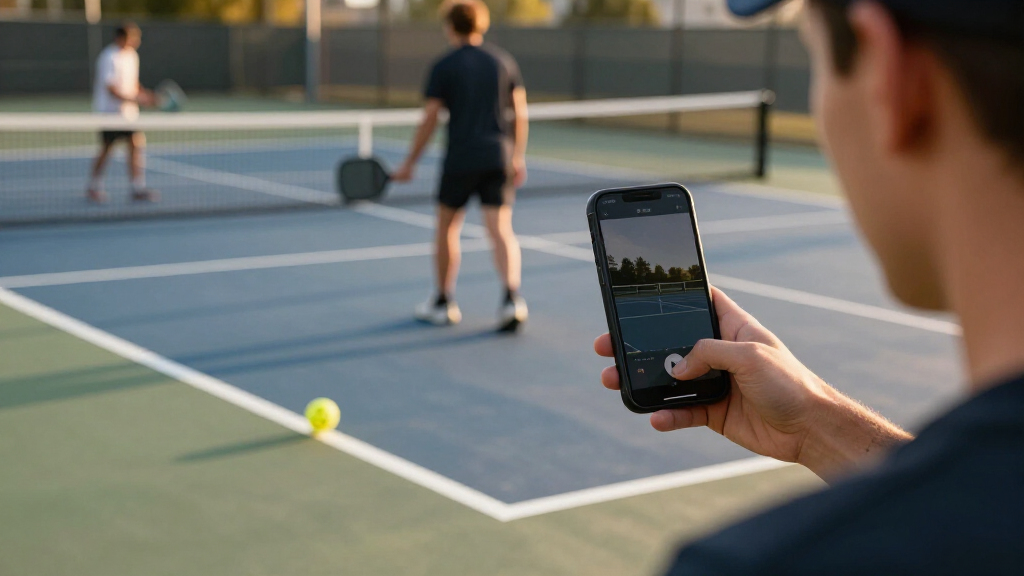
IdeaNavigator AI has outlined a concept for an app that uses a phone mounted by a pickleball court to record and review rallies, tag shots and errors, and track skill metrics. The proposal recommends testing it at three clubs, but no deployed product, trial results, or evidence of player demand is provided.
IdeaNavigator AI has proposed a rally replay and performance-tracking app for recreational pickleball players, designed to turn court-side phone video into clips, shot labels and session metrics. The idea is at the concept and testing-proposal stage: no working product, trial results or confirmed launch have been reported.
The proposed workflow would have players mount a phone at the court fence. The app would then attempt to separate a session into individual rallies, identify shot types and errors, rate rally quality, and assemble a highlight reel. It would also track skill measures over time, with the aim of helping players understand performance changes and possible movement in their DUPR rating.
IdeaNavigator AI frames the intended user as a recreational player seeking improvement as well as a way to relive games. The proposal identifies limited access to video review and feedback as the problem to solve, including for practice on shots such as the third-shot drop. These are the proposal’s descriptions of player needs, not findings from a published survey or completed study.
The suggested first test is to install mounted phones at three clubs and process 200 sessions. The proposed measures are repeat use and subscription conversion among club members. The concept also suggests a consumer subscription and partnerships with facilities that provide courts with mounted cameras; no pricing, partner commitments or conversion results are specified.
From Court Video to Player Feedback
If the concept works as intended, it could give recreational players a structured way to review points without relying on manually recording and sorting an entire game. Rally-level clips could make it easier to revisit a particular exchange, while shot labels and error tags could help players focus practice on recurring patterns rather than memory alone.
The proposed link between session metrics and DUPR rating movement addresses a different issue: players may want an explanation for a rating change, not just the new number. However, the proposal does not establish that an app can reliably attribute rating movement to particular shots or rally qualities. That would depend on accurate video analysis and a clear relationship between the tracked measures and the rating system.
For clubs, mounted cameras could provide a route to offer a member service, while subscriptions could support the app’s consumer business. Both are business hypotheses, not demonstrated demand. The suggested pilot matters because it would test whether players return to the tool and pay for it, rather than treating technical feasibility alone as proof of a viable product.
As an affiliate, we earn on qualifying purchases.
A Proposed Club-Based Pilot
The proposal sits within racquet-sports consumer technology, using ordinary phone video as the starting point for automated analysis. It argues that court-side cameras and computer-vision models make rally segmentation and tagging feasible. No technical evaluation, accuracy figures or comparison with existing video tools is included, so that feasibility claim remains unverified in the material available.
Rather than recommending a broad launch, IdeaNavigator AI describes a narrow initial use case: one recreational player who wants to improve and replay rallies. Its proposed three-club test would place cameras in actual playing settings and process 200 sessions, then examine repeat usage and subscription conversion. This is a suggested research plan, not evidence that a pilot has begun or that clubs have agreed to take part.
The concept also names two product outcomes beyond recording: a highlight reel for each session and trends in skill metrics. Those features would need to work together in a way that players find understandable and useful. The proposal does not describe how long footage would be stored, how player consent would be handled, or whether the app would require a particular phone position or court layout.
As an affiliate, we earn on qualifying purchases.
Accuracy, Demand and Data Safeguards
No product launch or pilot results are provided. It is unclear whether any app has been built, which clubs might participate, when testing could begin, or whether recreational players would pay for the service. The proposed 200-session test is a recommendation, not a confirmed sample or completed study.
Technical questions remain open. The proposal gives no evidence about how well a phone camera could separate fast rallies, identify shot types and errors, or assign a consistent quality rating in varied lighting and court conditions. It also does not explain how the system would handle blocked views, camera placement differences, or whether players would have to review and correct automated labels.
The concept offers no detail on privacy, consent or video retention, including how footage of other players would be managed. Nor does it specify how the app would connect its skill metrics to DUPR ratings. Until those questions are answered, claims about useful feedback and rating explanations should be treated as intended benefits, not established results.
As an affiliate, we earn on qualifying purchases.
Pilot Results Would Set the Test
The next concrete step in the proposal is a three-club pilot with mounted phones and 200 processed sessions. The test would track whether members use the app again and whether they convert to paid subscriptions. No dates, participating venues or launch commitments have been announced in the information provided.
Any report from such a test would need to clarify how sessions were counted, how repeat use and conversion were measured, and whether video analysis was accurate enough to support the promised feedback. Until those details or a working product are available, the idea remains a proposed workflow awaiting validation.
Source: IdeaNavigator AI
pickleball performance tracking app
As an affiliate, we earn on qualifying purchases.
As an affiliate, we earn on qualifying purchases.
Key Questions
Is a pickleball rally replay app available now?
The proposal does not identify a launched product or confirm that a working app is available. It describes a concept and a suggested test.
How would the proposed app work?
Players would mount a phone near the court. The app is intended to split video into rallies, label shots and errors, rate rally quality, create session highlights and track skill metrics.
Has the three-club test happened?
No completed pilot is reported. Testing at three clubs across 200 sessions is the proposed validation plan.
Would the app explain changes in a DUPR rating?
That is an intended feature of the concept, which proposes tracking metrics that could help explain rating movement. No evidence is provided that the proposed metrics can reliably account for a DUPR change.
How might the service make money?
The proposal suggests a consumer subscription and partnerships with facilities that offer courts with mounted cameras. Pricing and customer demand have not been established.
Source: IdeaNavigator AI
Fall Picks
fall essentials
As an affiliate, we earn on qualifying purchases.