
🔍 Read the full analysis: The Secrets Behind SenseTime’s 600 Million Yuan AI Profit Explored on ThorstenMeyerAI.com
TL;DR
SenseTime, a leading Chinese AI company, announced a profit of approximately 600 million yuan, attributed to its pivot toward generative AI and infrastructure. The specifics of the profit source are unverified, but the move signals a potential industry shift.
Chinese AI company SenseTime has reported a profit of approximately 600 million yuan (roughly US$83 million), marking a notable financial turnaround. The profit is linked to its strategic shift away from traditional computer vision toward generative AI and AI infrastructure services, according to a report by 36kr. This development is significant because it suggests the company is moving into profitable territory after years of losses, especially following its restructuring and sanctions-related challenges. For more details, see the original analysis.
SenseTime, founded in 2014 and once known primarily for facial recognition and surveillance technology, has pivoted to focus on generative AI, including its SenseCore infrastructure and large model development. Learn more about its recent growth. The recent profit figure, which has not been independently verified through detailed financial disclosures, is believed to stem from its newer business segments. The company has reorganized its reporting into two main segments: traditional AI, encompassing legacy computer vision and smart city projects, and generative AI, which includes its AI data centers, model APIs, and enterprise services.
According to the 36kr report, the 600 million yuan profit is a significant departure from past years marked by losses, especially after the 2021 US sanctions blacklist that limited access to U.S. technology. The report emphasizes that the figure’s precise nature—whether net profit, operating profit, or including one-time gains—is not confirmed, and the breakdown between core business revenue and non-operating items remains unclear. The company’s next financial report is expected to clarify whether the profit is sustainable and driven by recurring revenue from AI infrastructure and services.
Implications of Profitability for China’s AI Industry
The reported profit suggests that China’s large-model and AI infrastructure market can generate sustainable profits, countering the narrative that Chinese AI firms are only capital-consuming ventures. If verified, this indicates a potential shift in industry dynamics, where AI companies can achieve financial stability through enterprise and government AI infrastructure services. For SenseTime, this profitability enhances its competitiveness in bidding for contracts and boosts investor confidence, especially as it competes with rivals like Baidu and Alibaba in the AI infrastructure space.
Moreover, the development underscores the importance of business model transformation in the Chinese AI sector, moving from reliance on one-time asset sales or government contracts to recurring revenue streams from AI services. This could influence investor perceptions and government policies, fostering a more mature AI ecosystem in China.
As an affiliate, we earn on qualifying purchases.
Background of SenseTime’s Business Transformation
Founded in 2014 by Tang Xiao’ou and colleagues from the Chinese University of Hong Kong, SenseTime quickly became a leading player in facial recognition and surveillance tech. It went public on the Hong Kong Stock Exchange in 2021, but that same year, it was blacklisted by the U.S. Treasury, citing its role in surveillance in Xinjiang. The sanctions restricted its access to U.S. technology and capital, prompting a strategic overhaul.
In response, SenseTime divested or wound down parts of its legacy smart-city and surveillance businesses, while heavily investing in SenseCore, its AI infrastructure platform. It also launched SenseNova, a family of large models aimed at enterprise and government markets. The company reported that its generative AI revenue grew sharply in 2023, becoming a key growth segment, while traditional AI revenue declined. The recent profit report could be the first clear sign of a successful transition to a profitable business model based on AI infrastructure and services.
As an affiliate, we earn on qualifying purchases.
Unverified Aspects of SenseTime’s Profit Reported
It remains unclear whether the 600 million yuan figure represents net profit, operating profit, or includes non-recurring gains such as asset disposals or fair-value adjustments. The source, 36kr, has not published the detailed financial breakdown or audited statements confirming the figure’s composition. Additionally, the proportion of profit attributable to the generative AI segment versus traditional AI is not specified. The sustainability of this profit in upcoming quarters is also uncertain, pending detailed disclosures in future financial reports.
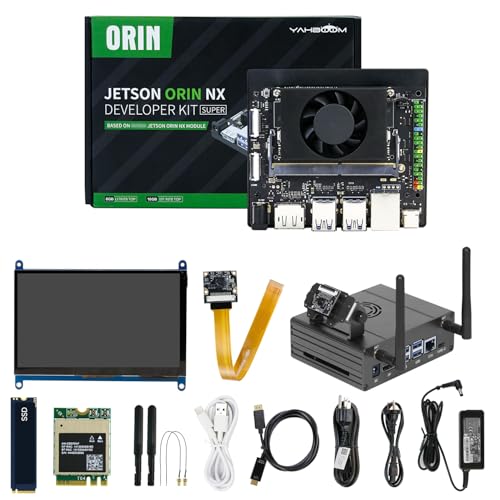
Yahboom Jetson Orin NX 16GB RAM 157TOPS Development Kit for AI Edge Jetson Aluminum Case, AI Large Model Voice Module, SSD, CSI Camera
- AI Performance: 117/157 TOPS for AI processing
- GPU: 1024-core NVIDIA Ampere GPU with Tensor Cores
- CPU: 8-core Arm Cortex-A78AE v8.2
As an affiliate, we earn on qualifying purchases.
As an affiliate, we earn on qualifying purchases.
Next Steps in Verifying and Sustaining Profitability
SenseTime’s upcoming financial disclosures will be critical in confirming whether the profit is recurring and driven by core business operations. Investors and analysts will scrutinize segment-level revenue, gross margins, and the contribution of AI infrastructure services in the next report. Contract announcements from government and enterprise clients, along with continued growth in SenseCore and SenseNova revenues, will be key indicators of ongoing profitability. Market watchers will also monitor whether the company maintains or accelerates its investment in large models and AI infrastructure to sustain growth.
As an affiliate, we earn on qualifying purchases.
Key Questions
Is the 600 million yuan profit confirmed by official financial statements?
No, the profit figure is reported by 36kr based on available information but has not been independently verified through SenseTime’s official audited financial statements. The exact nature and sustainability of the profit remain unconfirmed until the next official report.
What are the main sources of SenseTime’s recent profitability?
According to available reports, the profit likely stems from SenseTime’s newer business segments, including generative AI infrastructure, large models, and enterprise AI services, following its restructuring and strategic pivot away from legacy surveillance and smart city projects.
How does this development affect SenseTime’s competitive position?
If the profit is sustained, it could strengthen SenseTime’s position in bidding for government and enterprise AI contracts, especially against rivals like Baidu and Alibaba, and boost investor confidence in its growth prospects.
Will the profit be sustainable in the long term?
It is not yet clear whether the profit is recurring or a result of one-time gains. Future financial reports will be necessary to determine if SenseTime’s business model has achieved sustainable profitability.
What impact does this have on the Chinese AI industry overall?
This development could signal a shift toward more profitable, infrastructure-based AI business models in China, challenging the previous narrative of continuous capital burn and loss-making ventures.
Primary source: SenseTime · via ThorstenMeyerAI.com